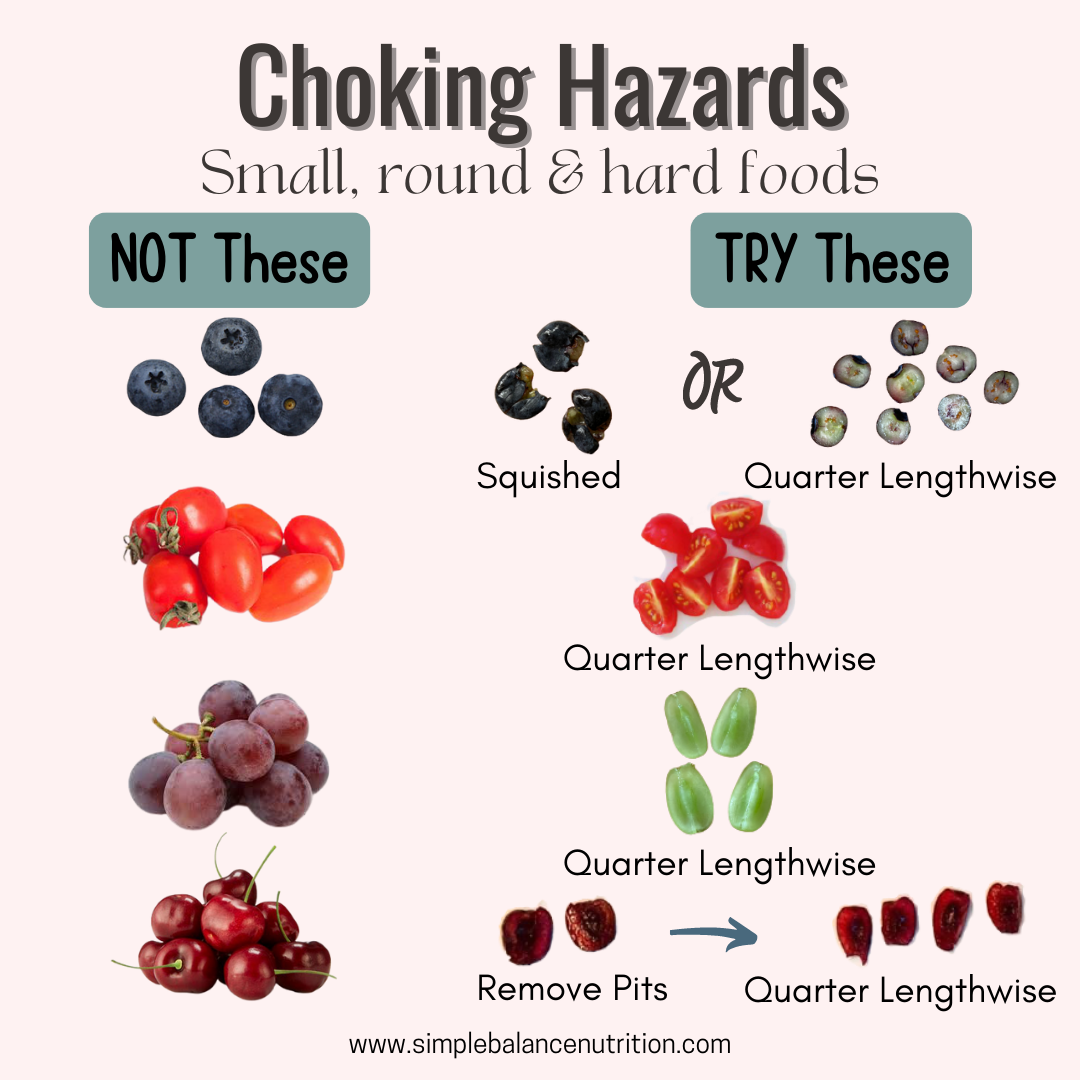
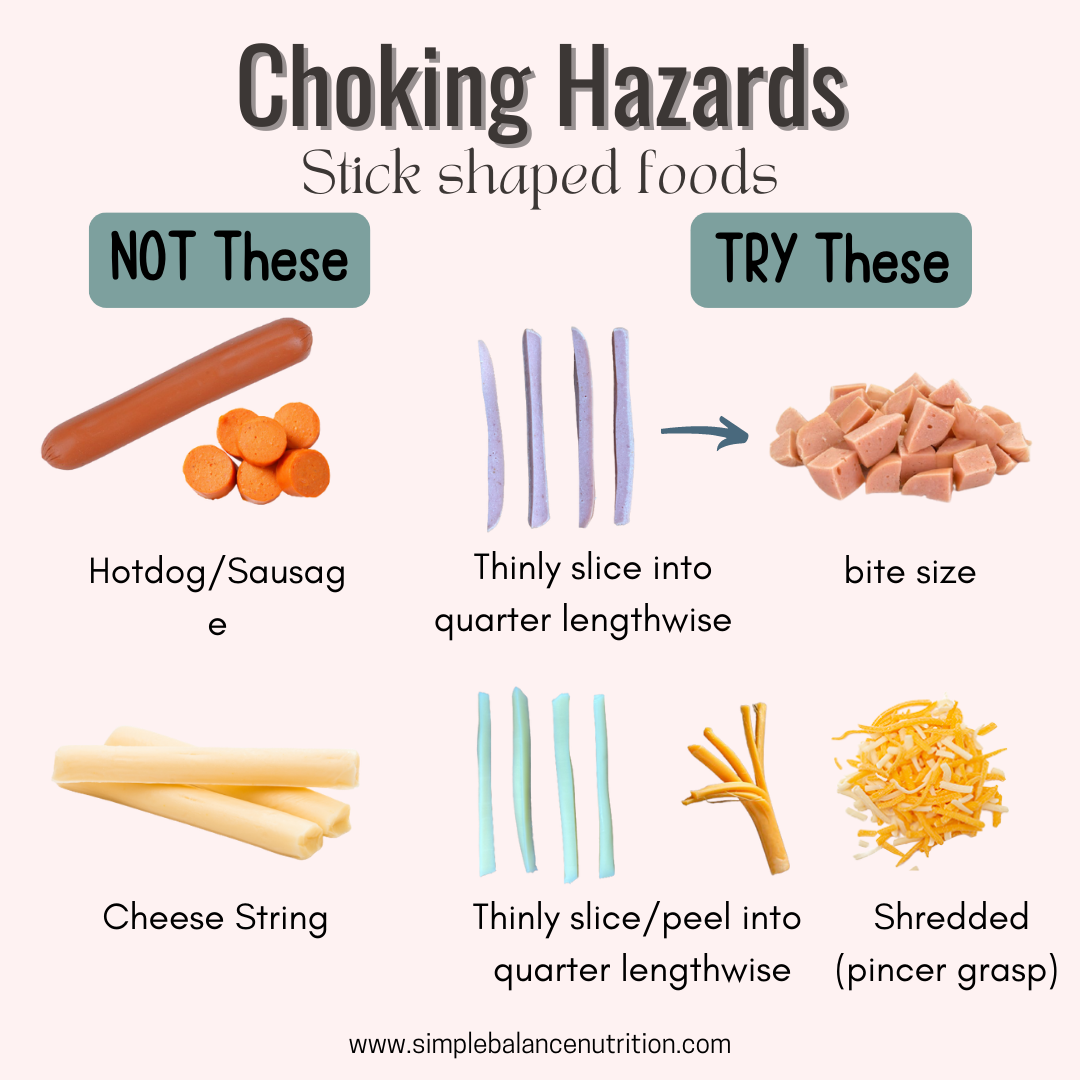
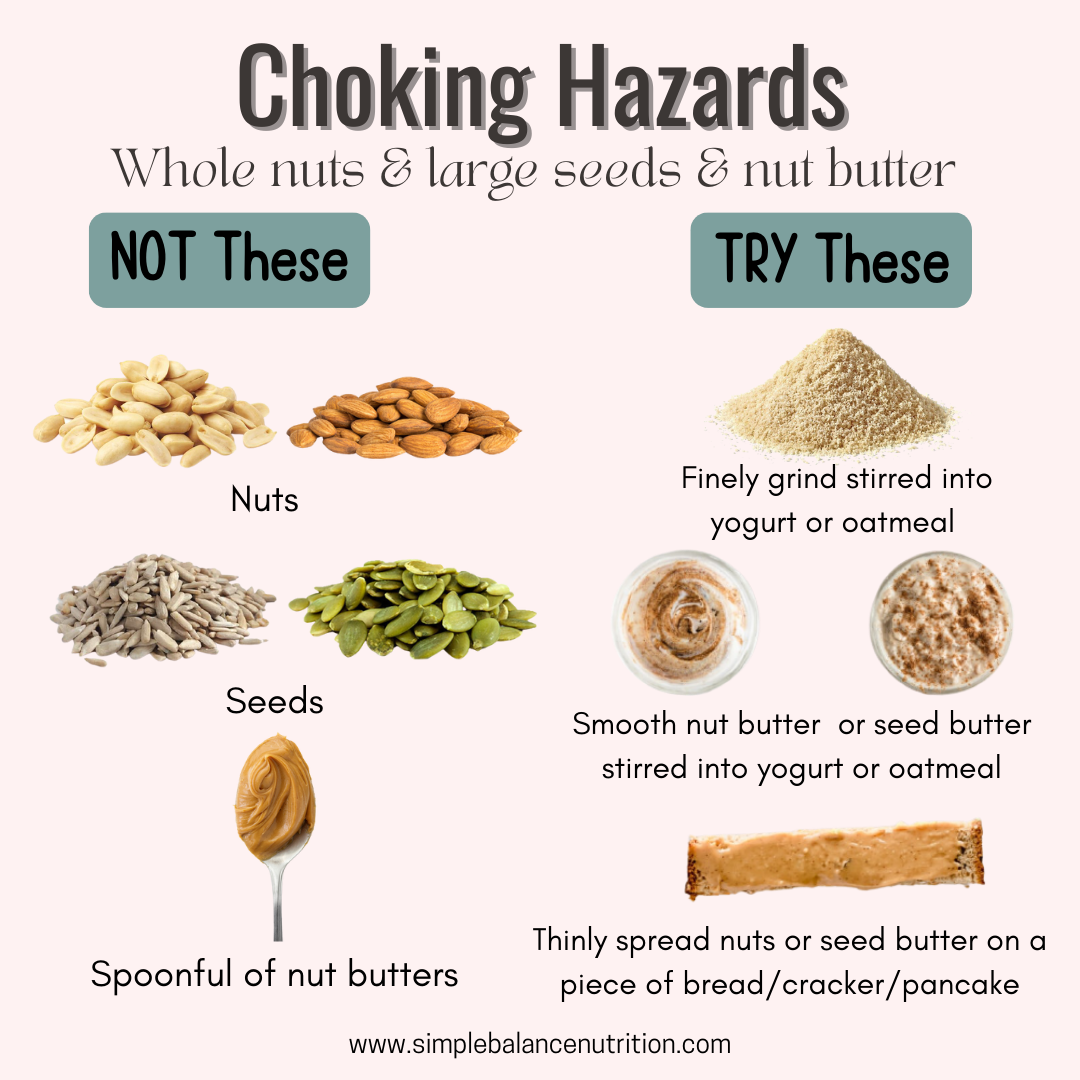
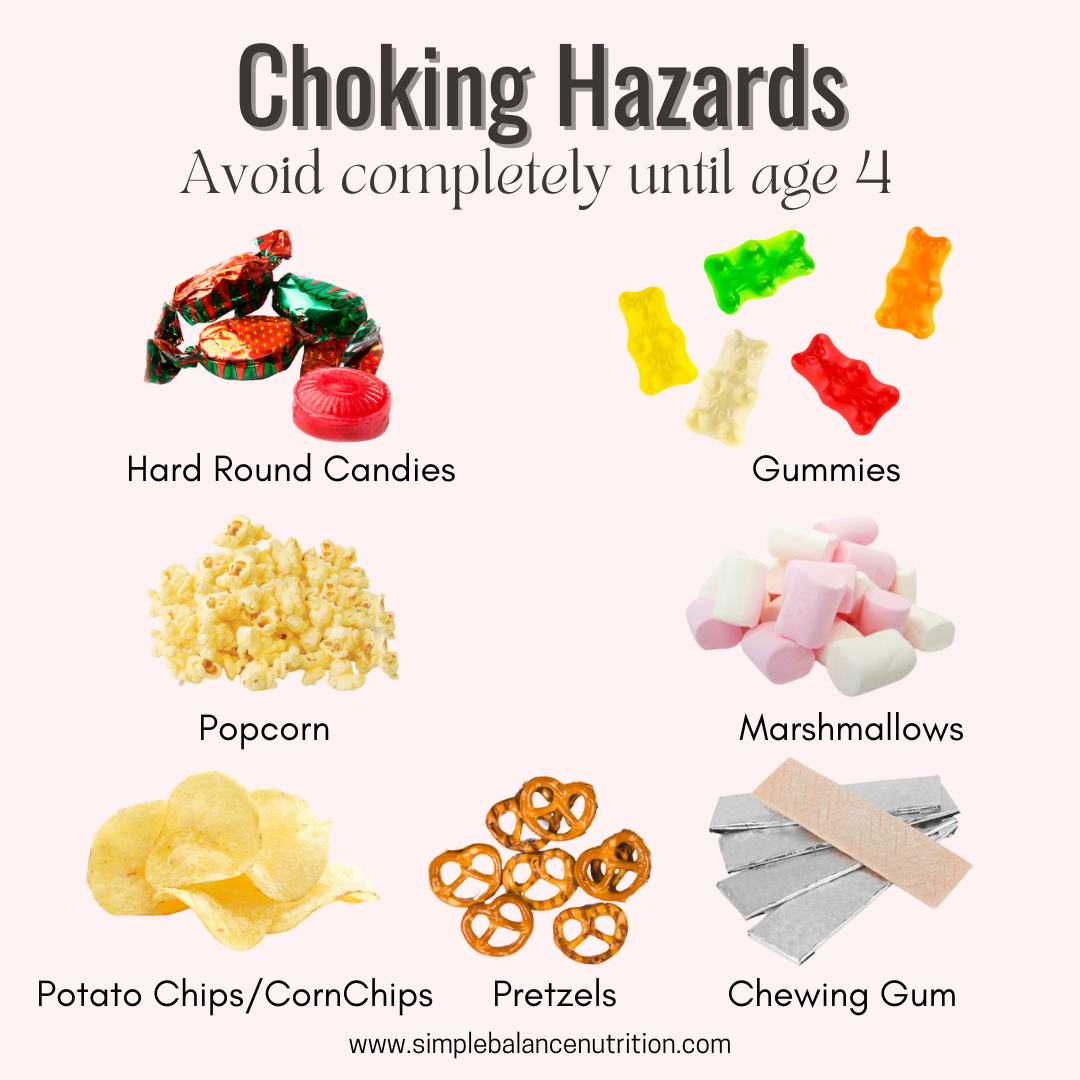
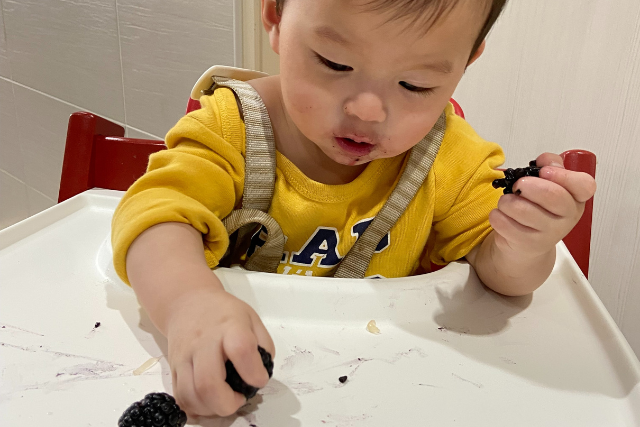
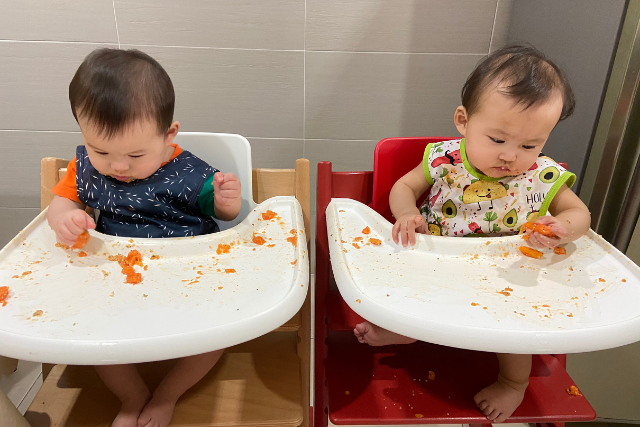
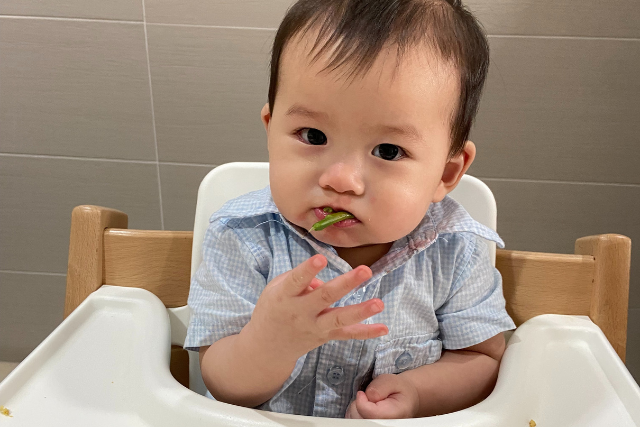
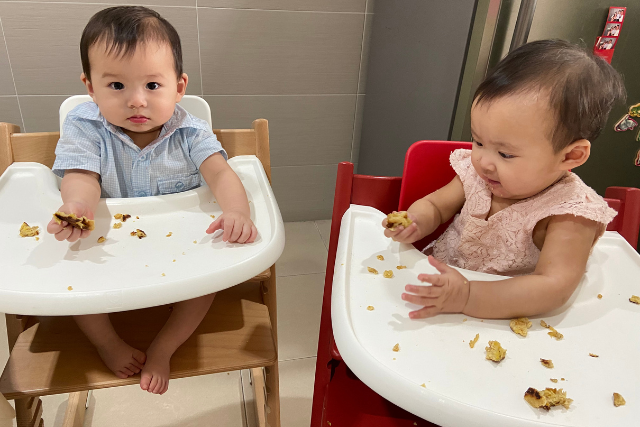
When is the right time to start solid foods (1)

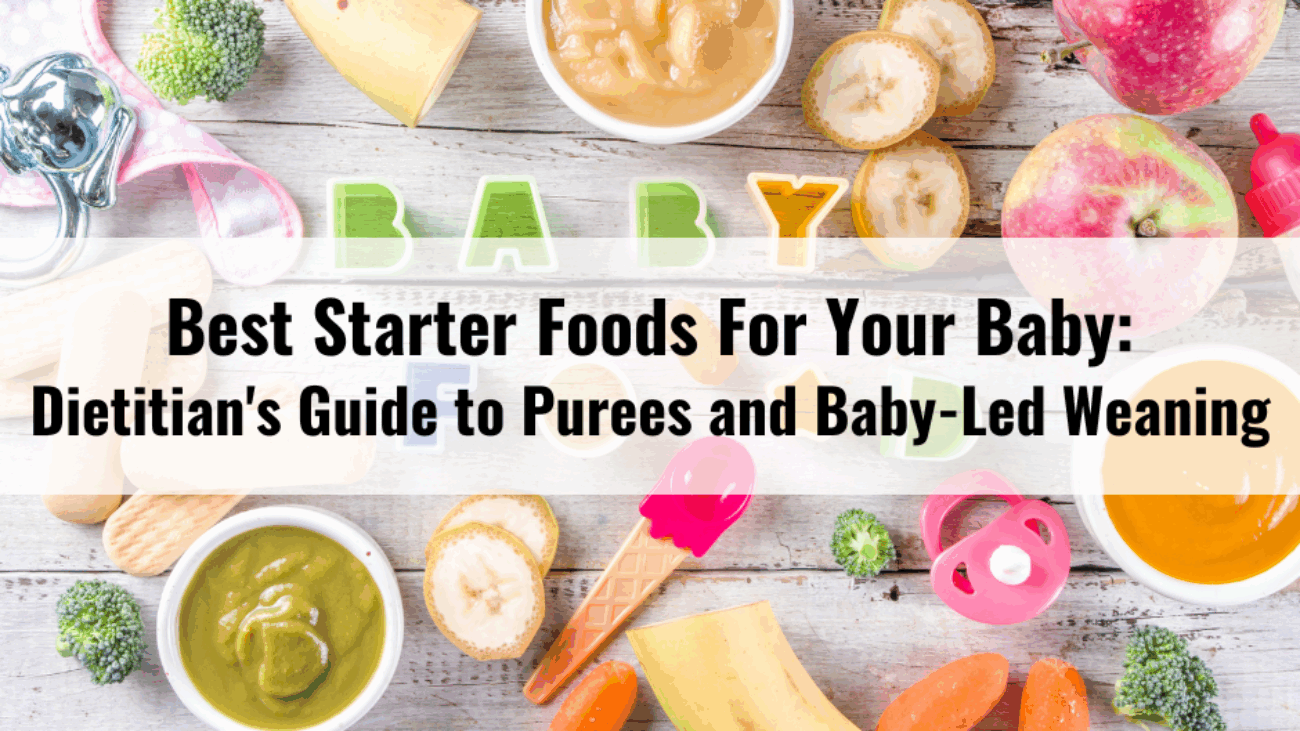
Best Starter Foods For Your Baby: Dietitian’s Guide to Purees and Baby-Led Weaning

Starting solids is one of the most exciting milestones in your baby’s first year. Parents often ask me: What should I give first? Should I do purées, or jump straight into finger foods? The good news is—there isn’t one “right” way. Whether you’re beginning with spoon-fed purées or trying baby-led weaning (BLW), what matters most is offering safe, nutrient-rich foods that support your baby’s growth and development.

As a dietitian (and a mom!), I’ve put together this guide to help you feel confident when choosing those all-important first bites.


IS MY BABY READY FOR SOLIDS?

Most babies are developmentally ready around 6 months, but age alone isn’t enough. Look for these readiness signs:

  • Baby can hold their head steady and sit with little or no support.
  • They show interest in food – watching you eat or reaching for your plate.
  • They’ve lost the tongue-thrust reflex (food doesn’t just push straight back out).
  • They can grasp small objects or food and bring it to their mouth.

If your baby shows these signs, you’re ready to start exploring solid foods!


WHAT NUTRIENTS DO BABIES NEED MOST? 

In the first year, breastmilk or formula is still the primary source of nutrition, but solids play an important role in filling key nutrient gaps. The nutrients I prioritize when recommending first foods are:

  • Iron: crucial for brain development and energy (needs rise sharply around 6 months).
  • Zinc: supports immune function and growth.
  • Calcium & Vitamin D: build strong bones.
  • Choline & Selenium: important for brain development and antioxidant defense.

That’s why I often recommend starting with iron-rich, energy-dense foods rather than only fruits and vegetables.

PUREES VS. BABY-LED WEANING: WHICH IS BETTER?

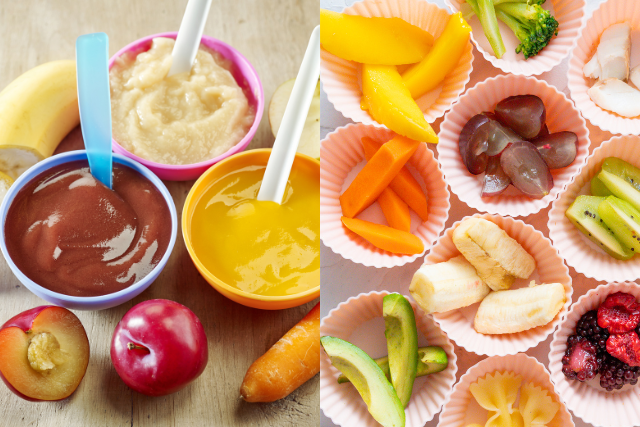
  • Traditional Weaning (TW) starts with smooth purées, then progresses to mashed, then soft finger foods.
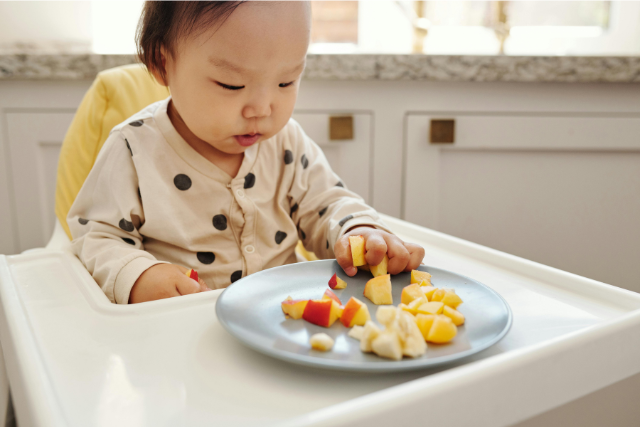
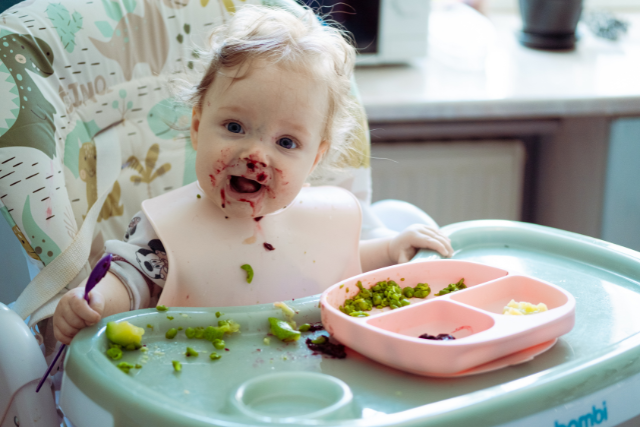
  • Baby-Led Weaning (BLW) skips purées, offering safe, graspable pieces of food from the start. Baby self-feeds and learns to explore textures, tastes, and independence.

Many families use a combination approach, and that’s perfectly okay! What matters is that your baby is exposed to a variety of flavors and textures, while staying safe and supported.

PALM GRASP VS. PINCER GRASP

At the start, babies use a palmar grasp (whole hand) to pick up food, so larger pieces (like avocado spears or broccoli florets) are easier for them to handle. By 9–12 months, they develop a pincer grasp (thumb and forefinger), allowing them to pick up smaller foods like beans or blueberries. Offering foods in appropriate sizes helps your baby practice motor skills while staying safe.

20 BEST STARTER FOOD FOR BABIES 

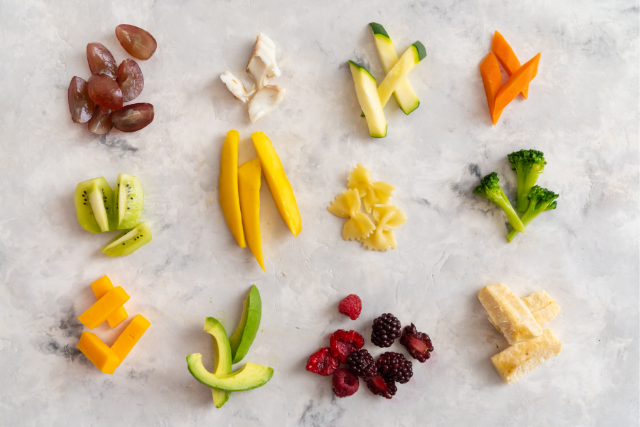
Here’s a list of versatile, nutrient-packed options that can be offered as purées, mashed, or BLW-style finger foods.

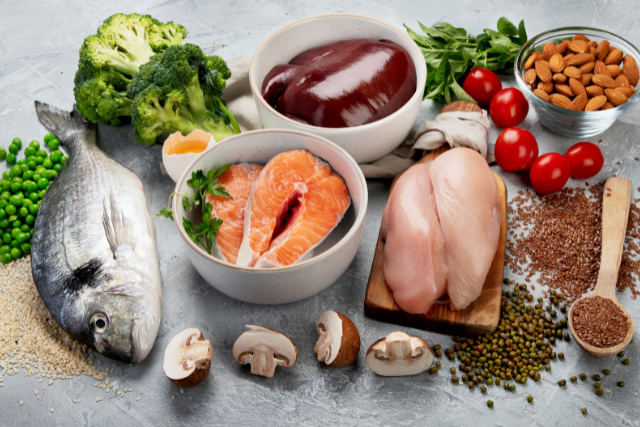
Iron & Zinc-Rich Foods

  • Beef: slow-cooked strips (BLW) or puréed with broth.
  • Lamb: tender meatballs or shredded.
  • Chicken or turkey: shredded thigh meat or puréed with veggie stock.
  • Egg yolk: scrambled strips or mashed with breastmilk/formula.
  • Lentils: soft and mashed, or patties for BLW.
  • Beans (black beans, kidney beans): mashed or shaped into soft patties.
  • Salmon: flaked, boneless, cooked until soft.
  • Sardines: mashed onto toast fingers.
  • Tofu: soft cubes or blended with avocado.
  • Iron-fortified baby oatmeal:  thinned with breastmilk/formula.

Healthy Fats & Energy Foods

  • Avocado: mashed or cut into spears (with peel left partly on for grip).
  • Nut butters (peanut, almond): thinned and spread thinly on toast or mixed into purées (safe introduction for allergy prevention).
  • Full-fat yogurt: plain, unsweetened.
  • Cheese: soft strips of mild cheese (e.g., mozzarella).

Fruits & Vegetables (for vitamins, variety & fiber)

  • Sweet potato: roasted wedges or mashed.
  • Pumpkin: soft cubes or purée.
  • Carrots: steamed sticks until very soft.
  • Broccoli: steamed florets (great BLW finger food!).
  • Banana: mashed or in “sticks.”
  • Pear: ripe, peeled, soft slices or purée.

BOTTOM LINE

Starting solids is a joyful milestone, but it can feel overwhelming to decide what’s “best.” Whether you choose purées, baby-led weaning, or a mix of both, the most important thing is to focus on nutrient-rich, safe, and varied foods. Prioritize iron-rich foods from the start, introduce different textures and flavors early, and let your baby explore at their own pace.

Remember solids are about learning, not perfection. Keep mealtimes relaxed, offer family foods when possible, and always supervise closely. With variety, patience, and a positive environment, you’ll be setting the foundation for a healthy relationship with food.

Ready to help your baby thrive with Baby-Led Weaning? Enroll in Baby’s First Bites and get hands-on tips, meal ideas, and expert guidance to make mealtimes fun and nutritious.

Choosing the Right Cooking Oil for Your Baby

Choosing the Right Cooking Oil for Your Baby

Introducing solids is an exciting milestone – messy, yes, but full of learning and discovery. If you’re starting Baby-Led Weaning (BLW), you’ve likely spent time thinking about safe textures, iron-rich foods, and how to reduce choking risks. But one question that often gets overlooked is: What cooking oil should I use when preparing food for my baby?

As a mom and dietitian, I know how overwhelming the oil aisle can be. From avocado oil to ghee to the “should I avoid palm oil?” debate, it’s easy to feel lost. The truth is fat is essential for babies’ growth, brain development, and nutrient absorption. But not all fats are created equal. This guide will help you understand which cooking oils are most suitable for your little one, especially in the first year of life.

WHY FATS MATTER IN BABY’S DIET

Babies need more fat in their diets than adults. In fact, 40–50% of their total calories should come from fat in the first year. Healthy fats support brain and nerve development, help absorb fat-soluble vitamins (A, D, E, and K), and provide energy for all the crawling, babbling, and growing your baby is doing.

Cooking oils are one way to provide these beneficial fats. A drizzle of oil can also help soften textures and enhance the taste of vegetables, grains, and proteins, making foods more enjoyable for babies exploring solids.

WHAT TO LOOK FOR IN A COOKING OIL FOR BABIES

When choosing a cooking oil for your baby, especially during the early stages of Baby-Led Weaning (BLW), the quality and nutritional profile of the oil really matters. First, look for oils that are rich in healthy fats, particularly unsaturated fats like monounsaturated and polyunsaturated fats. These support your baby’s brain development, hormone production, and the absorption of fat-soluble vitamins such as A, D, E, and K. It’s also important to choose oils that are minimally processed, look for labels that say “cold-pressed,” “virgin,” or “unrefined,” as these methods help retain more nutrients and avoid harmful chemicals or excessive heat during production.

Another key factor is smoke point, which refers to the temperature at which oil begins to break down and produce harmful compounds. For cooking methods like sautéing or pan-frying, you’ll want oils with a moderate to high smoke point (e.g., avocado oil, ghee, or refined coconut oil) to keep meals safe and nutritious. For drizzling over food or using in no-cook recipes like dips or baby hummus, lower smoke point oils like extra virgin olive oil are perfectly fine. Also, consider the oil’s flavour, mild-tasting oils are usually better accepted by babies who are just getting used to different textures and tastes. Lastly, choose oils without added salt, preservatives, artificial flavours, or colourings. Simpler is always better when feeding little ones, especially in their first year of life.


BEST COOKING OILS FOR BABIES

Here are baby-friendly oils you can feel good about using in your kitchen:

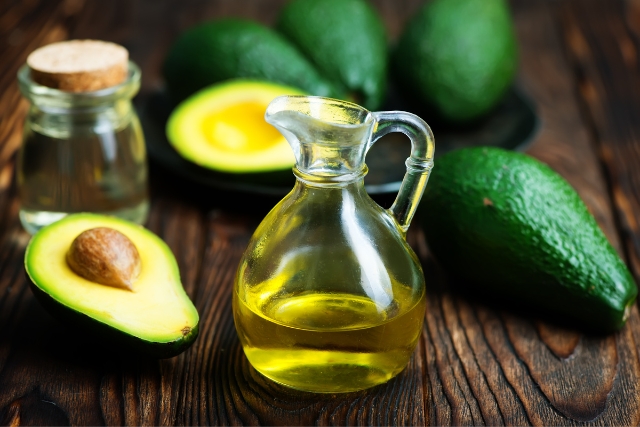
Avocado Oil

  • Why it’s great: High in heart-healthy monounsaturated fats and vitamin E
  • Smoke point: Very high (~270°C), ideal for cooking and pan-frying
  • Taste: Neutral and light, making it baby-friendly
  • How to use: Drizzle over roasted veggies or use for sautéing soft meat strips

Coconut Oil

  • Why it’s great: Contains medium-chain triglycerides (MCTs) that are easily digestible
  • Smoke point: Medium (~175°C)
  • Taste: Slightly sweet, which some babies love
  • Note: Use in moderation due to higher saturated fat content
  • How to use: Works well in baby pancakes, sweet potatoes, and baby muffins

Extra Virgin Olive Oil (EVOO)

  • Why it’s great: Rich in antioxidants and anti-inflammatory compounds
  • Smoke point: Moderate (~160–190°C), best for light cooking or drizzling
  • Taste: Mild and fruity
  • How to use: Stir into baby-friendly pasta or mashed lentils for extra flavour and nutrition

Ghee

  • Why it’s great: Clarified butter that’s lactose-free, rich in vitamin A and short-chain fatty acids
  • Smoke point: High (~250°C)
  • Taste: Nutty and aromatic
  • How to use: Perfect for Indian or Asian-inspired BLW dishes like soft lentil patties or veggie rice

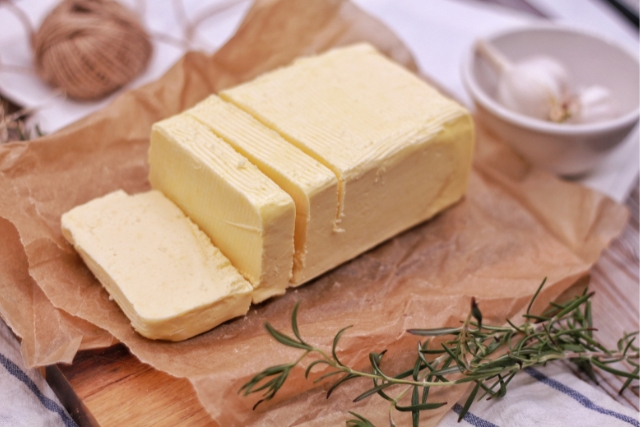
Unsalted Butter

  • Why it’s great: Offers fat-soluble vitamins (especially A and D), a familiar taste
  • Smoke point: Low (~150°C), so best for light cooking
  • How to use: Melt a little into porridge or spread thinly on toast

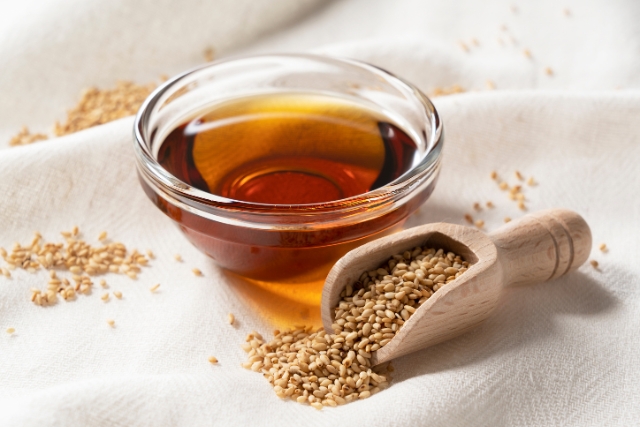
Sesame Oil (in moderation)

  • Why it’s great: Flavourful and contains both mono- and polyunsaturated fats
  • Note: May be allergenic; introduce with caution and as per your pediatrician’s guidance
  • How to use: Add a drop to stir-fried soft tofu or baby noodles for older infants (8–9 months+)

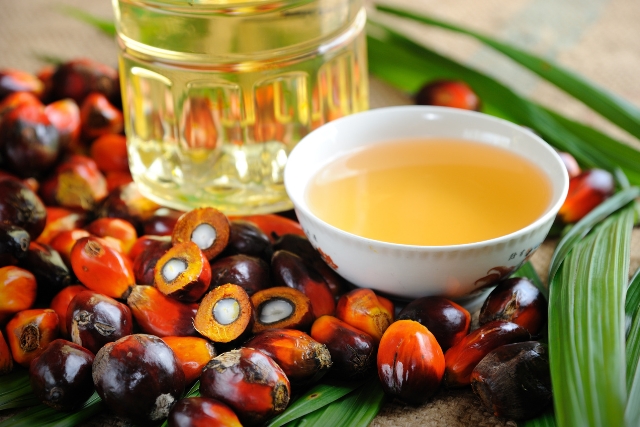
Red Palm Oil (Sustainably Sourced)

  • Why it’s worth considering: Widely used in Asian cooking and contains a mix of saturated and unsaturated fats, along with vitamin E
  • What to note: Choose MSPO-certified (sustainable) red palm oil if possible
  • How to use: In traditional dishes like baby-friendly nasi lemak or vegetable curry with minimal spices


OILS TO AVOID OR USE WITH CAUTION FOR BABIES

Not all cooking oils are created equal, some may look harmless on the label but are actually less suitable for your baby’s delicate system. During the first year of life, babies are especially vulnerable to certain fats, additives, and industrial processing methods. As a dietitian and mom, I always encourage families to keep baby’s first foods as close to whole and minimally processed as possible, including the oils we cook with.

1. Avoid hydrogenated or partially hydrogenated oils

These are industrially processed fats that contain trans fats, which have been strongly linked to heart disease, inflammation, and impaired brain development. Although most countries are phasing out trans fats, they can still sneak into processed foods and some commercial oil blends, especially in products like margarine, baked goods, or instant noodles. Always check the label, and steer clear of any ingredient list that mentions “partially hydrogenated oils.”

2. Highly refined vegetable oils

Corn oil, soybean oil, sunflower oil, and conventional canola oil are also worth using with caution. While these oils are commonly used in households and restaurants, they undergo heavy processing and are often extracted using high heat or chemical solvents. This not only strips away beneficial nutrients, but can also increase oxidation, which contributes to inflammation in the body. Some of these oils are also high in omega-6 fatty acids, which, when consumed in excess and without enough omega-3s, may promote an imbalanced inflammatory response, not ideal for growing bodies.

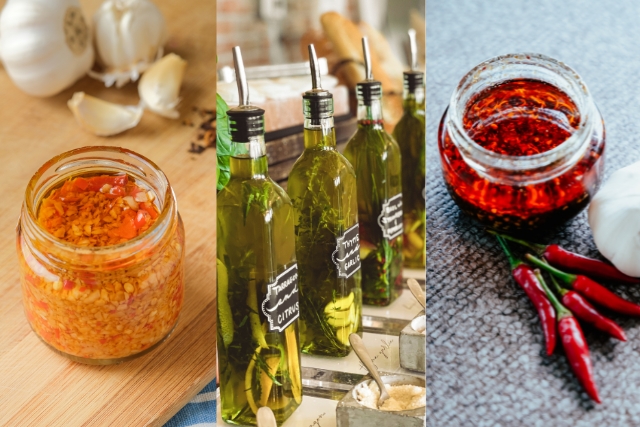
3. Flavoured oils or blends with additives

Oils infused with garlic, chilli, herbs, or artificial flavours may sound gourmet, but they can be too strong for babies’ developing taste buds and digestion. Some may also contain preservatives or allergens not suitable for infants. Save these oils for family meals after baby’s first year.

4. Nut oils like walnut or peanut oil should be introduced cautiously.

While nuts can be part of a baby-safe diet when introduced properly (and under pediatric guidance if there’s a family history of allergies), these oils can be more allergenic and unstable when heated. If you’re introducing nut-based oils, do so gradually, with supervision and preferably in cold applications like drizzling over cooled food.

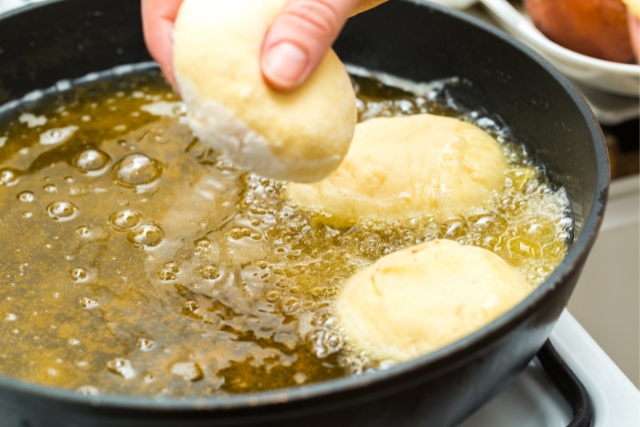
5. Reused cooking oils, such as oils used for deep-frying.

These oils break down at high temperatures and can produce harmful compounds that aren’t suitable for any age, let alone babies. Always use fresh oil for baby’s food, and avoid giving them anything that’s been fried in reused or overly heated oil.

PRACTICAL TIPS FOR PARENTS

When introducing cooking oils into your baby’s meals, simplicity and moderation are key. Babies don’t need large amounts of oil, just a small drizzle (about 1/2 to 1 teaspoon per serving) is enough to add healthy fats without overwhelming their tiny digestive systems. A little goes a long way in softening textures, improving mouthfeel, and making food more palatable, especially for naturally bitter vegetables like spinach or broccoli.

One helpful approach is to rotate between different oils to offer a variety of healthy fats. For example, you might use avocado oil when roasting vegetables one day, and olive oil to sauté baby’s scrambled eggs the next. This diversity helps ensure a more balanced intake of monounsaturated, polyunsaturated, and saturated fats, all of which play different roles in growth and development.

Always consider how the oil is used. For higher heat cooking like stir-frying or baking, choose oils with a higher smoke point like avocado oil, ghee, or refined coconut oil to reduce the risk of harmful byproducts. For finishing touches or no-cook dishes, like stirring into mashed lentils or drizzling over baby-friendly porridge, extra virgin olive oil or cold-pressed oils work beautifully and add a subtle flavour boost.

Be mindful when introducing oils that are more allergenic or culturally less familiar, such as sesame or peanut oil. If there’s a history of food allergies in your family, consult with your pediatrician or a pediatric dietitian before introducing these oils. When you do introduce them, do it one at a time and observe your baby for any signs of allergic reaction over the next few days.

Lastly, trust your baby’s cues. Some babies may initially resist the new mouthfeel that added oils bring, and that’s okay. Keep offering small amounts and pair them with familiar foods. Remember, you’re not just feeding a baby, you’re laying the foundation for a lifetime of healthy eating habits, and every thoughtful choice you make adds up over time.

BOTTOM LINE 

There’s no single “perfect oil” for every baby. The key is to choose oils that are wholesome, age-appropriate, and support your baby’s nutritional needs. Whether you’re preparing soft scrambled eggs with olive oil or stir-frying tofu with a dash of ghee, rest assured, your efforts to nourish your little one are meaningful and impactful.

If you’re ever unsure about introducing a particular oil, speak to your pediatrician or a registered dietitian who’s experienced in baby feeding.

Every baby is different, and so is every family kitchen. But with a little guidance, choosing healthy fats can be simple, nourishing, and even fun. Happy cooking!

Ready to help your baby thrive with Baby-Led Weaning? Enroll in Baby’s First Bites and get hands-on tips, meal ideas, and expert guidance to make mealtimes fun and nutritious.

Update: August 20, 2025

Feeding Your Baby According to Their Personality

Feeding Your Baby According to Their Personality

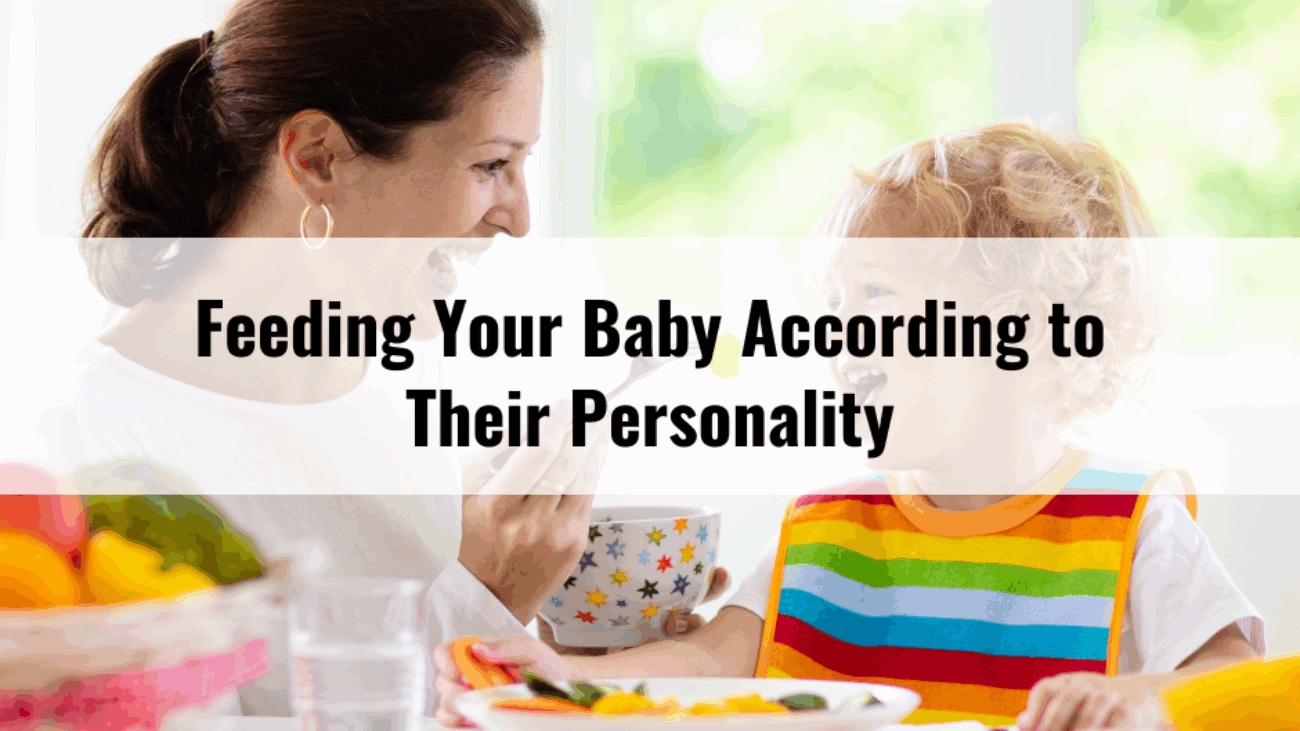
Babies may be small, but their personalities can be really big and often show up the most at mealtimes! If you’ve ever wondered why your baby is so different from your friend’s baby, or even from your older child, you’re not alone. Personality-based baby feeding can help you understand how temperament affects mealtime behaviors and guide you in creating an approach that works for your little one.

As both a dietitian and a mom, I know firsthand that feeding isn’t just about offering nutritious food, it’s about understanding who you’re feeding. And that means paying attention to your baby’s temperament.

Let’s talk about what that means and how you can support your baby’s eating journey in a way that suits their unique little self.

WHAT IS TEMPERAMENT IN PERSONALITY-BASED BABY FEEDING?

Temperament is basically your baby’s natural way of reacting to the world. Some babies are calm and slow-to-warm-up, while others are intense and energetic from day one. These traits are believed to be inborn and tend to stay quite stable as your child grows, though they can shift a bit with experience and support.

And guess what? You also have a temperament! Sometimes your style matches well with your baby’s, and sometimes it feels like you’re speaking two different languages. That’s okay. The key is to be aware of it.

When it comes to personality-based baby feeding, understanding temperament can help reduce stress, increase connection, and make mealtimes more enjoyable. Recognizing your baby’s temperament allows you to shape personality-based baby feeding strategies to suit their unique needs. Let’s check out!

7 TEMPERAMENT TRAITS AND HOW THEY AFFECT FEEDING 

Here are some common temperament dimensions that can show up during mealtimes and some practical, gentle tips for each.

1. Activity Level: The Wigglers vs. The Watchers

Some babies are super chill—they’re happy to sit with a few toys, quietly play, and observe the world around them. Then there are the babies who seem to be born moving! Even before they can crawl, they’re already twisting, rolling, and trying to explore everything.

If your baby is more of a “watcher,” they may enjoy sitting in the high chair, slowly exploring new foods with their hands or fingers. Mealtimes with them can feel more calm and focused.

But if you’ve got a little “wiggler” who can’t sit still, you’re not alone! These babies may not enjoy long meals in the high chair and might get bored or fussy quickly. For them, it often helps to offer smaller meals or snacks more frequently throughout the day.

Tip: Don’t stress if your active baby doesn’t want to sit for long. Let them explore food in short bursts and keep mealtimes fun, not forced.

Every baby has their own rhythm, some eat slow and steady, some like to grab a bite and go. Both are okay!

2. Biological Rhythmicity: The Clock Baby vs. The Go-with-the-Flow Baby

Have you noticed that your baby gets sleepy, hungry, or cranky at the same time every day? That could mean your little one has a strong internal rhythm, which is a natural body clock that runs like clockwork. Some babies nap and poop on schedule, while others are more unpredictable. You just never know when they’ll be hungry or ready to sleep.

For babies with a regular rhythm, sticking to a consistent schedule for meals and naps can really help. They feel more secure knowing when food is coming. You’ll probably find it easier to plan your day too, such as  fitting in a quick lunch or grocery run during nap time!

But if your baby is more flexible or random in their cues, it’s okay to take a more laid-back approach. Follow their hunger signs, maybe they’re not hungry at the usual 12pm lunch, but ready to eat again at 1:30pm instead. Go with the flow.

Tip: In many Malaysian homes, meals tend to follow routines naturally, like bath after meal. These gentle patterns can help build a sense of rhythm too.

And yes, juggling naps, milk, solids, and everything else can get overwhelming. If you’re not sure where to start, it’s okay to try out a simple schedule and adjust from there. Your baby will guide you.

3. Distractibility

Some babies can sit and focus on their food; others get distracted by everything. A small sound, a passing cat, or even the shadow on the wall can pull their attention away from the plate in front of them.

This is called distractibility, and just like adults, some babies can tune things out better than others. For babies who are still learning how to chew and swallow safely, distractions can make things a bit trickier (and sometimes a little messy).

To help your baby stay focused during mealtimes, try to reduce distractions as much as you can. Turn off the TV, put away toys, and maybe let the pets chill in another room for a while.

Tip: If your baby’s high chair is near their play area, try throwing a thin cloth to cover the toys. Out of sight, out of mind!

A calm, simple eating environment helps your baby focus on tasting, chewing, and learning all about food. And for babies who get distracted super easily, keeping things quiet and predictable can make a big difference.

4. Approach vs. Withdrawal

Some babies jump straight into new things without blinking; others prefer to take their time, slowly warm up, and observe first before trying anything new.

Starting solids is definitely one of those big new things! And just like adults, babies respond differently. Some are super excited to eat, while others need time to get used to new tastes, smells, and textures.

Here’s how I often see it play out:

  • The Observers: These babies are the slow starters. They might frown, poke at the food, or just stare at it for a while. This is normal! Give them time to explore and don’t rush them. Let them touch, smell, and get familiar first. In our culture, sometimes the pressure from excited grandparents “Eh, you don’t like it?” can make us feel worried, but trust your baby’s pace.

  • The Eager Eater: These babies are ready to eat from day one! They open their mouths wide, reach for food, and don’t seem fussy at all. You might find yourself saying, “Wah, you like everything?!”

  • The In-Between Baby: Most babies are somewhere in the middle. Maybe they love banana the first time but need a few tries to enjoy carrot or tofu. That’s okay! Exposure and patience are key.

Tip: Whether your baby is a little hesitant or very adventurous, follow their lead. Try not to compare with other babies—every child learns in their own way and time. Some babies need 10–15 exposures before they accept something new. That baby who rejected porridge on day 1 might love it by day 10.

5. Adaptability: Go-with-the-flow or Needs Time to Adjust?

Adaptability is about how easily your baby or toddler can handle changes, especially when switching from one activity to another. For example, going from playtime to mealtime, or leaving the playground when it’s time to go home.

Some babies are very flexible. You say, “Time to eat!” and they come happily. Others need more time to adjust. They might fuss, cry, or resist when asked to stop playing even if they’re hungry.

This is completely normal. If your child struggles with transitions, one of the best things you can do is create a simple pre-meal routine to help them shift gears smoothly. This gives their body and brain a heads-up that it’s almost mealtime.

Your pre-meal routine doesn’t need to be fancy. A few simple steps repeated daily can make a big difference. For example:

  • Washing hands
  • Cleaning the table together
  • Saying a short blessing or mealtime phrase
  • Singing a little song

These steps create a sense of rhythm and predictability that helps less adaptable children feel more secure and prepared.

Tip: Some toddlers do really well with visual routines, like a chart showing pictures of “wash hands –> sit down –> eat.” It helps them understand what’s coming next.

Every child is different. If yours needs a little extra time or support to adjust between activities, that’s okay. A consistent routine gives them the comfort and structure they need to enjoy mealtimes with less stress.

6. Attention Span & Persistence: Focused or Frustrated Easily 

Some babies stay focused and keep trying, even when something is difficult. Others may lose interest quickly or give up if things don’t go smoothly.

This is where persistence comes in. It’s a great quality (even if it sometimes feels like “stubbornness” to us parents!).

For example, a very persistent baby might insist on feeding herself. She wants to hold the spoon, grab the food, and do it all on her own—even if most of it ends up on the floor! It can be messy and tiring, but this determination is actually a good thing. She’s learning through practice.

On the other hand, a less persistent baby may give up easily. If self-feeding feels too hard, she might just push the food away or wait for you to feed her instead. That’s okay too! These babies often just need a little more encouragement, patience, and small steps to build their confidence.

Tip: Whether your baby is strong-willed or more laid back, try not to rush. Offer support when needed, but let them take the lead as much as they’re willing. Feeding is not just about nutrition, it’s also about learning skills and building independence.

Every child develops at their own pace. The goal isn’t perfection, it’s helping your baby feel safe and supported as they learn.

7. Intensity of Reaction: Big Feelings or Calm and Quiet?

Some babies feel things deeply and they show it! I sometimes joke that this is the “Drama King or Queen” trait. These little ones might cry loudly when they’re unhappy, squeal with joy when they’re excited, or push food away with dramatic faces when trying something new.

On the flip side, some babies are much more mild. Even if they’re feeling unsure or uncomfortable, it might not show on their faces at all. These babies are harder to “read” because their reactions are subtle.

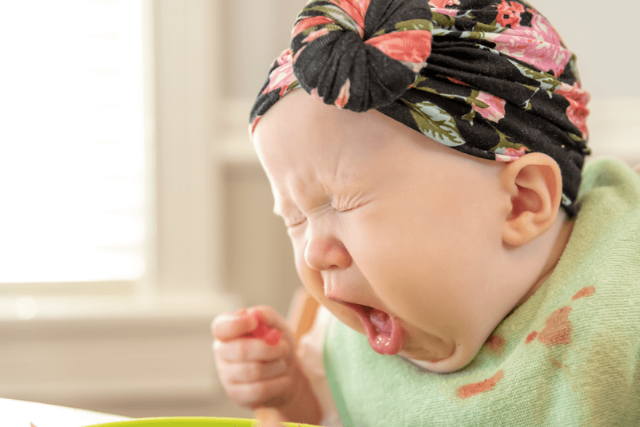
When it comes to feeding, high-intensity babies might react strongly to new tastes, textures, or even temperature. That doesn’t always mean they dislike the food, they just feel everything a little more! So don’t worry if your baby makes a funny face or gags slightly the first few times. It could just be their way of processing something unfamiliar.Smile and calmly say, “It’s okay, we’ll try again another day.”

Tip: Try to stay calm and neutral during mealtimes. If your baby sees a big reaction from you, positive or negative, they might copy that. The goal is to let them decide how they feel about a food, without any pressure.

Whether your baby is super expressive or quiet and gentle, all reactions are normal. With time, patience, and repeated exposure, most babies will get used to new foods in their own unique way.


RESPONSIVE FEEDING: THE HEART OF BABY FEEDING PERSONALITY TYPES

Responsive feeding means tuning in to your baby’s hunger cues, respecting their personality, and creating a positive mealtime experience. Whether you’re breastfeeding, formula-feeding, doing puree or baby-led weaning, your baby’s personality matters.

Some days will be smooth. Some days, your baby might throw food, cry, or refuse to eat. That’s okay. Take a deep breath. Every mealtime is a chance to build trust and connection.

BOTTOM LINE

Feeding isn’t just a task, it’s a relationship. Your baby is learning so much every time they sit at the table, not just about food, but about trust, safety, and joy.

You know your baby best. Observe, adapt, and above all, enjoy the journey. Their little quirks today will be your sweet stories tomorrow.

What have you noticed about your baby’s feeding personality? Share with us, I’d love to hear from you!

Struggling with picky eating? Enroll in Peaceful Mealtimes and turn mealtime battles into calm, happy family moments.

Update: August 20, 2025

Why Struggle Between Purees and Baby Led Weaning (BLW)

Why Struggle Between Purees and Baby Led Weaning (BLW)

As parents begin the exciting (and sometimes overwhelming) journey of introducing solid foods to their baby, one common question comes up again and again: Should I start with purees or go straight to baby-led weaning (BLW)?

The truth is, it doesn’t have to be one or the other. In fact, combining both approaches can be a practical and positive way to support your baby’s development and meet their nutritional needs.


FIRST, LET’S TALK ABOUT THE GOALS OF STARTING SOLIDS

Whether you’re offering purees or finger foods, the objectives remain the same:

  • Meeting your baby’s growing nutrition needs

  • Encouraging independent eating and skill development

  • Minimizing the risk of choking through safe feeding practices

These goals can be achieved using a flexible, responsive feeding approach—one that respects your baby’s developmental readiness and your family’s comfort level.


WHAT IS BABY-LED WEANING (BLW)?

BLW involves offering your baby soft, age-appropriate finger foods from the start, allowing them to self-feed. It supports the development of fine motor skills, oral coordination, and a healthy relationship with food through exploration and autonomy.

That said, BLW isn’t all-or-nothing. Some babies benefit from a mixed approach—especially when it comes to certain textures or nutrients.

For example:

  • You might offer a preloaded spoon of iron-rich puree (like lentils or chicken) alongside soft finger foods.

  • Or, you may use spoon-feeding occasionally when your baby is tired, frustrated, or showing signs they need extra support.

This is still responsive feeding—as long as you’re following your baby’s cues and allowing them to lead the experience.

WHAT ABOUT PUREES

Purees are not “bad” or “wrong.” In fact, many BLW-friendly families use purees in a baby-led way. The key difference lies not in the food itself, but in the feeding style:

a) Are you forcing or coaxing the baby to eat more than they want?


b) Or are you offering the spoon and letting your baby decide whether to take it?

This is where preloaded spoons come in—they allow babies to self-feed with purees, offering the best of both worlds.


CONSIDER YOUR BABY’S PERSONALITY

Every baby is different, and their preferences and readiness can guide your approach.

a) The Independent Explorer

These babies want to do everything themselves. They may refuse to be spoon-fed and dive right into self-feeding with gusto.

b) The Cooperative Diner

These babies are happy to accept spoon-feeding, especially if it means mealtime is faster and smoother.

c) Most babies

Fall somewhere in between—and their preferences may shift over time.

Responsive feeding means tuning in to what your baby needs, rather than sticking rigidly to one method.

BOTTOM LINE

You don’t have to pick sides in the puree vs. BLW debate. A flexible, baby-led approach can include:

  • A variety of textures and flavors from the start

  • Iron-rich foods offered at least twice a day

  • Opportunities for self-feeding with both finger foods and preloaded spoons

  • A calm, pressure-free environment that encourages exploration and enjoyment

What matters most is that your baby develops positive mealtime experiences and builds a healthy relationship with food—one bite at a time.

Looking for more tips to make Baby-Led Weaning simple and successful? Join our online course, Baby’s First Bites, and discover practical strategies, recipes, and guidance to help your baby enjoy mealtimes.

Update: August 20, 2025

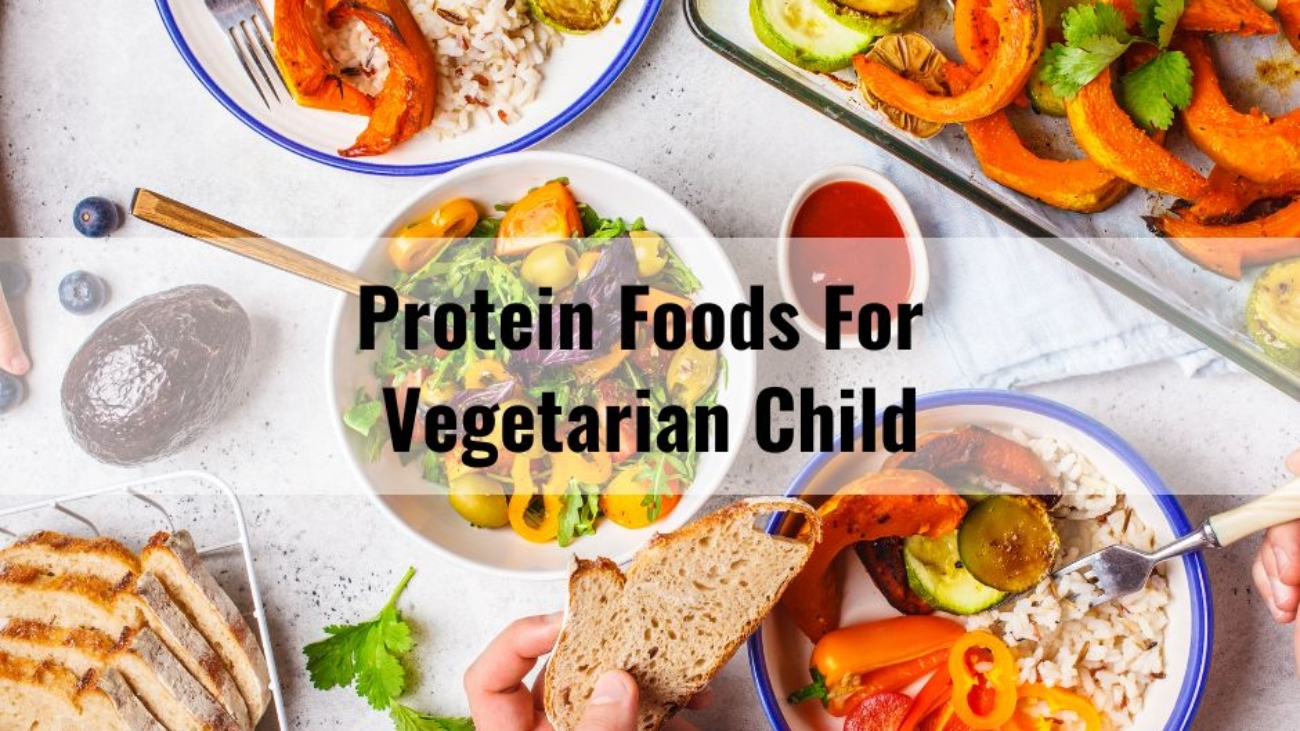
Protein Foods For Vegetarian Child

Protein Foods For Vegetarian Child

If you’re dealing with a picky eater who doesn’t like meat, you might be concerned about their protein intake. There are plenty of nourishing non-meat protein sources to explore. Even if your family isn’t vegetarian, your child’s aversion to meat could come from various reasons. Perhaps they find meat difficult to chew or haven’t discovered a preferred way of eating it yet. It’s also possible that they’re making a connection between their love for animals and the food on their plate.

But here’s the good news! Meat is not the only source of protein! I’m here to break down the protein requirements for children and show you how to meet them, even if your children aren’t keen on meat. With a little creativity and exploration, you can ensure your child gets the protein they need for healthy growth and development.

WHAT IS PROTEIN? WHY DO WE NEED PROTEIN?

Protein is one of the three macronutrients that provide calories (or energy) in the diet, along with carbohydrates and fats. It’s essential for our health because it serves several important functions in the body.Firstly, protein plays a crucial role in building and repairing tissues, including muscle tissue. This makes it essential for supporting muscle growth and maintenance.Additionally, protein is involved in the production of hormones, enzymes, and other important molecules in the body. Hormones regulate various bodily functions, while enzymes facilitate chemical reactions that are necessary for metabolism and other physiological processes.Protein also plays a key role in supporting immune function, helping to defend the body against infections and illnesses.Every protein molecule is made up of smaller building blocks called amino acids.

20 different amino acids

There are 20 different amino acids that the body uses to build proteins, and each protein has a unique combination of these amino acids. Nine of these amino acids are considered ESSENTIAL because the body cannot produce them on its own, so they must be obtained from the diet. The remaining 11 amino acids are NONESSENTIAL because the body can synthesize them from other amino acids or compounds. For example, your body needs to consume enough of the essential amino acid phenylalanine for it to synthesize the nonessential amino acid tyrosine. Additionally, since your body can’t store essential amino acids, it’s crucial to continually provide your body with the protein it requires.<

9 essential amino acids:
  • histidine
  • isoleucine
  • leucine
  • lysine
  • methionine
  • phenylalanine
  • threonine
  • tryptophan
  • valine
Non-essential amino acids:
  • alanine
  • arginine
  • asparagine
  • aspartic acid
  • cystine
  • glutamic acid
  • glutamine
  • glycine
  • proline
  • serine
  • tyrosine


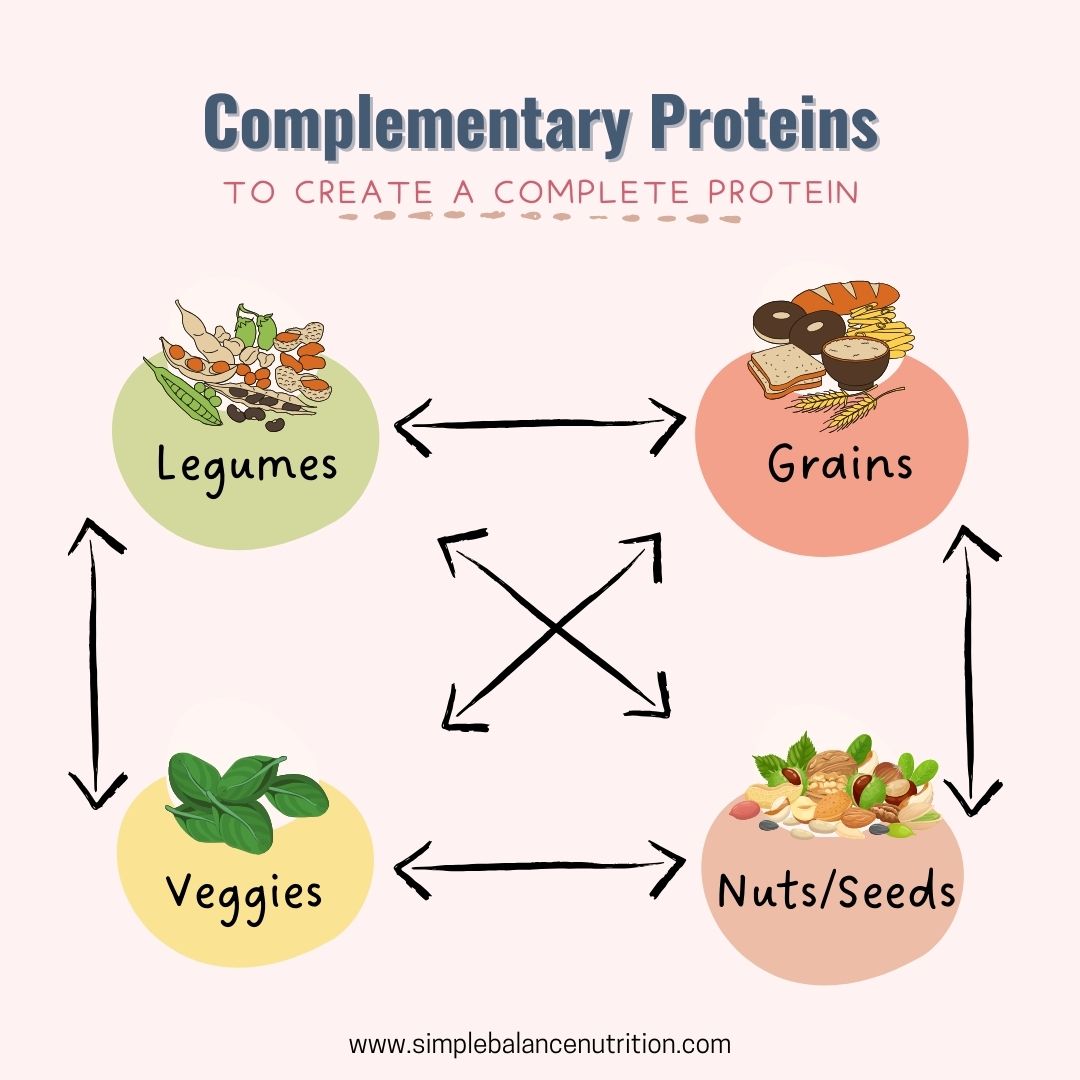
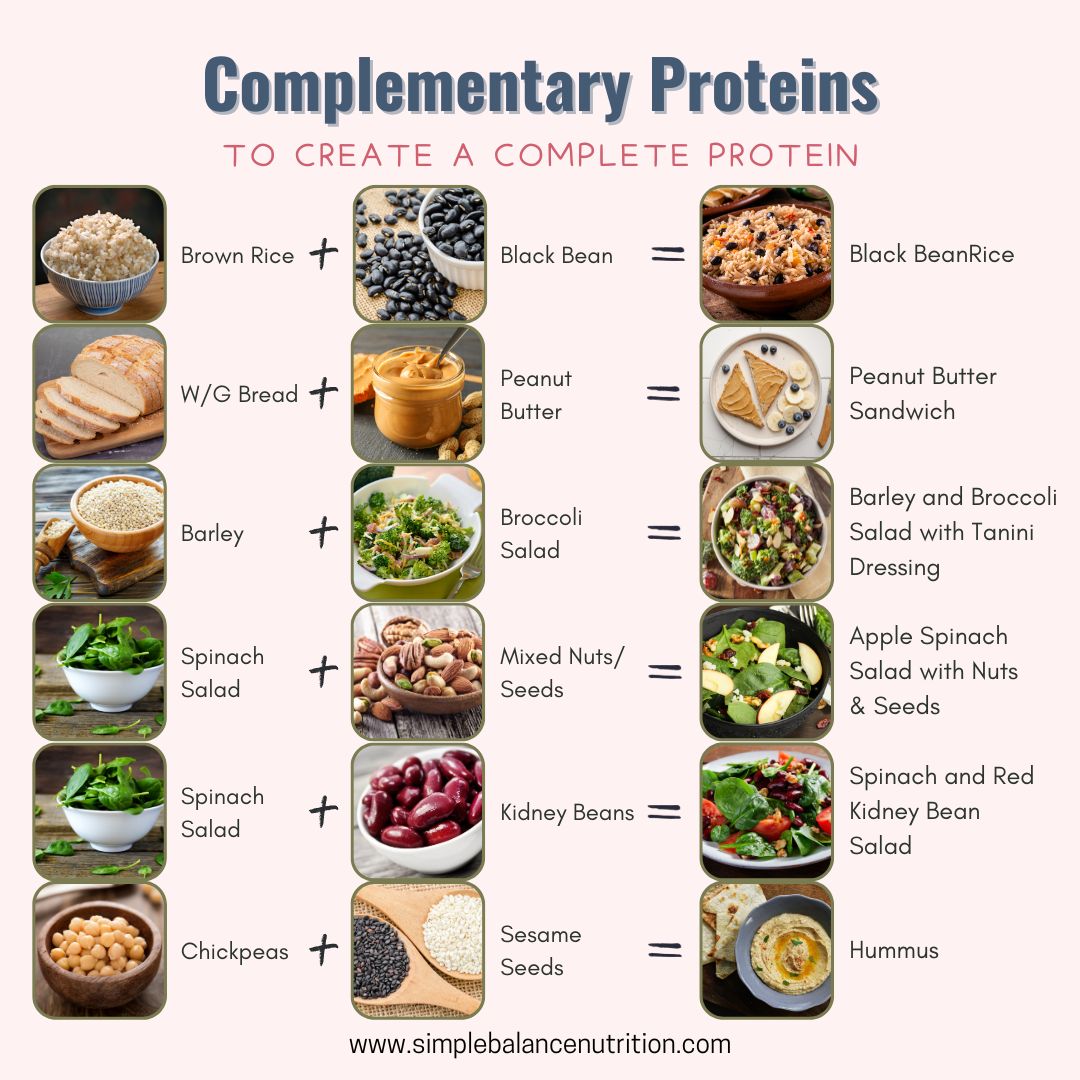
COMPLEMENTARY PROTEINS

Animal-based foods like meat, fish, poultry, eggs, and dairy are considered COMPLETE PROTEINS because they contain all nine essential amino acids that our bodies need. Plant proteins vary in their amino acid profiles, and different plant-based foods provide different essential amino acids.

Examples of plant-based complete protein foods include:

  • Ancient grains, like quinoa and amaranth
  • Buckwheat
  • Chia seeds
  • Hemp seeds
  • Soy products (edamame, tofu, tempeh, miso, soymilk)
  • Nutritional yeast
  • Spirulina

Examples of plant-based incomplete protein foods include:

*Legumes – lentils, peas and beans. 

Incomplete proteins can be paired together at meals or throughout the day to make a complete protein. This concept is often referred to as COMPLEMENTARY PROTEINS.


MEAL EXAMPLES

Grains + Legumes

  • Black bean soup and rice
  • Whole wheat bread and peanut butter
  • Oatmeal top with peanut butter
  • Pita bread with hummus

Nuts & Seeds + Legumes

  • Hummus (chickpeas and sesame seed paste)
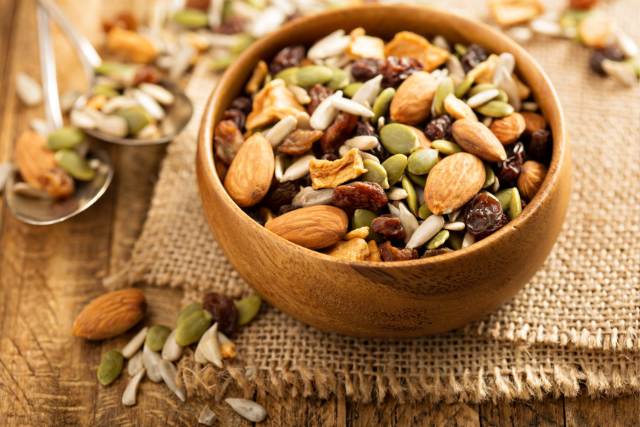
  • Mixed roasted nuts, seeds, and peanuts

Veggies + Nuts & Seeds 

  • Spinach salad with nuts & seeds

By combining incomplete proteins you can ensure that you are getting all 9 amino acids. You don’t need to eat complementary proteins together at every meal. If you ate beans for lunch and then had some raw almonds for a snack later, you would be adding the methionine that you had missed out on during lunch.

As long as you get a variety of protein sources throughout the day can ensure you’re getting all the essential amino acids your body needs.


HOW MUCH PROTEIN DO CHILDREN NEED?

Babies from birth to 6 months:

At this stage, babies need at least 8 grams of protein per day. Babies are in big-time growth mode and require sufficient protein to meet their body’s needs. From 0-6 months, babies get all of the protein they need from breast milk or formula.

Babies from 7 to 12 months:

At this age, babies require at least 10 grams of protein per day. It can come from a combination of breastmilk and/or formula and the solid foods that they are eating. If it sometimes feels like more food ends up in the highchair or on the floor than it does in baby’s mouth, that’s normal! Rest assured that they are still getting protein from breastmilk/formula, and some from food, too.

Toddlers from 1 to 3 years:

As your child gets bigger, protein requirements increase. At this stage, toddlers need at least 12 grams of protein per day.  Of course, that’s just a minimum – they can get more than 13 grams! If they are not big eaters, don’t worry: 13 grams of protein equals just 1 egg and a small serving of Greek yogurt. Or it could be a couple of tablespoons of meat, some milk, and a small piece of cheese. It doesn’t take much to meet their needs.

Children age 4 to 6 years:

At this stage, children require at least 16 grams of protein per day. As with toddlers, it’s fine if they get more than this amount. Serve a variety of protein-rich foods at meals and snacks.


BEST PROTEIN FOR CHILDREN WHO REFUSE TO EAT MEAT 

For children who want to be a vegetarian, or refuse to eat meat and other animal sources of protein, I often ask them “Are you getting enough protein in your diet?”. Although meat often comes to mind first as a good source of protein, there are other foods that offer plenty of protein as well. The trick is to include protein-rich plant foods at EVERY MEAL AND SNACK can help meet their nutritional needs.

VEGETARIAN PROTEIN

Here’s a list of vegetarian protein sources that you can incorporate into your family’s diet:

  1. Beans (black beans, pinto beans, chickpeas, kidney beans, red beans)
  2. Lentils
  3. Peas & Split peas
  4. Nuts & nut butter (almonds, walnuts, peanut)
  5. Seeds & seeds butter (hemp seeds, chia seeds, sunflower seeds, pumpkin seeds)
  6. Hummus
  7. Soy (soy milk, edamame beans, tempeh, tofu)
  8. Dairy (milk, cheese, cottage cheese, kefir, Greek yogurt)
  9. Eggs
  10. Grains (quinoa, amaranth, oats, barley, bulgur wheat, brown rice, whole wheat bread and pasta)
  11. Protein Powder
  12. Mycoprotein (Quorn, veggie burgers)
  13. Seitan
  14. Spirulina
  15. Nutritional yeast
  16. Vegetables (spinach, broccoli, Brussels sprouts, asparagus, and kale)
VEGAN PROTEIN 
  1. Beans (black beans, pinto beans, chickpeas, kidney beans, red beans)
  2. Lentils
  3. Peas & Split peas
  4. Nuts & nut butter (almonds, walnuts, peanut)
  5. Seeds & seeds butter (hemp seeds, chia seeds, sunflower seeds, pumpkin seeds)
  6. Hummus
  7. Soy (soy milk, edamame beans, tempeh, tofu)
  8. Dairy free milk products (plant-based)
  9. Grains (quinoa, amaranth, oats, barley, bulgur wheat, brown rice, whole wheat bread and pasta)
  10. Protein Powder
  11. Mycoprotein (Quorn, veggie burgers)
  12. Seitan
  13. Spirulina
  14. Nutritional yeast
  15. Vegetables (spinach, broccoli, Brussels sprouts, asparagus, and kale)

Additionally, when opting for vegan dairy alternatives like cheese, yogurt, milk, butter and ice cream, it’s essential to check labels for protein content as it can vary widely among products.

NUTRIENTS THAT MAY BE DEFICIENT IN A VEGETARIAN DIET

It’s important for vegetarians or vegans to be mindful of potential nutrient deficiencies in their diet. Here are some nutrients that may be deficient in a vegetarian diet:

Calcium 

Calcium is an important mineral that’s essential for bone health, muscle function, and wound healing. While dairy products are well-known sources of calcium, there are plenty of plant-based options available as well. Here are some vegetarian sources of calcium:

  • Cheese
  • Yogurt
  • Milk (both dairy and fortified plant-based options like almond milk, soy milk, or oat milk)
  • Tofu (especially tofu processed with calcium sulfate)
  • Beans and pulses (such as chickpeas, black beans, and lentils)
  • Fish canned with bones (such as sardines or salmon)
  • Wholemeal bread
  • Fortified cereals
  • Dark green leafy vegetables (including broccoli, kale, collard greens, and bok choy)
Vitamin D

Vitamin D is an essential nutrient that contributes to healthy bones and also helps to control the amount of calcium in our blood. While oily fish and eggs are notable dietary sources of vitamin D, obtaining sufficient amounts solely from food can be challenging.

Also, in regions with hot climates like Malaysia, it can be challenging to safely expose babies/children to sunlight due to the risk of overheating and sunburn.

One option is to provide vitamin D supplements, as recommended by healthcare professionals. Vitamin D drops or supplements specifically formulated for infants are available and can help meet their vitamin D needs.

Iron

Iron plays a vital role in various bodily functions, including the production of hemoglobin for oxygen transport and supporting a healthy immune system. It’s important to note the difference between heme iron, primarily found in animal sources, and non-heme iron, found in plant-based foods. Since non-heme iron is less readily absorbed by the body, vegetarians may need to consume slightly more iron-rich foods to meet their daily requirements.

Including a variety of plant-based iron sources in meals is key. Some examples of iron-rich vegetarian foods include beans, lentils, tofu, tempeh, nuts, seeds, fortified cereals, and dark leafy greens like spinach and kale. Combining these foods with sources of vitamin C, such as citrus fruits, strawberries, tomatoes, or bell peppers, can enhance iron absorption.

Zinc

Zinc is another mineral with important functions in the body including cell and enzyme production, as well as wound healing. However, phytates found in plant foods like whole grains and beans can inhibit the absorption of zinc. Therefore, it’s essential to include adequate sources of zinc-containing foods in the diet. Here are some good sources of zinc: beans, whole grains, nuts & seeds, fermented soy (tempeh and miso).

Vitamin B12

B12 needs for the formation of healthy red blood cells, cell division, and maintaining nerve structure and function. It is primarily found in animal products, individuals following a vegetarian or vegan diet need to pay special attention to their B12 intake. If dairy and eggs are part of a child’s vegetarian diet, they are likely to obtain sufficient B12 from these sources. However, for those who exclude dairy and eggs, fortified cereals (Cheerios) and plant-based milks can serve as alternative sources of vitamin B12. Additionally, considering a B12 supplement for children following a vegetarian or vegan diet is a wise option to ensure they meet their nutritional needs.

Omega-3 Fatty Acids

Ensuring an adequate intake of omega-3 fatty acids is essential for overall health, including heart health, brain function, and inflammation regulation. While oily fish is a significant source of EPA and DHA omega-3 fatty acids, vegetarians can still obtain these nutrients from various plant-based sources.

Walnuts, flaxseeds (linseed), hemp seeds, chia seeds, and soybeans are excellent vegetarian sources of alpha-linolenic acid (ALA), a precursor to EPA and DHA. Additionally, oils such as hemp, rapeseed (canola), and flaxseed oils contain ALA and can be incorporated into cooking or salad dressings.

Omega-3 enriched foods, including eggs and certain dairy alternatives like milk, yogurt, bread, and spreads, can also provide a convenient source of omega-3 fatty acids for vegetarians. When choosing these products, look for labels indicating omega-3 enrichment to ensure you’re getting the desired nutrients.

Iodine

Iodine is an essential micronutrient that play a role in helping our bodies to make thyroid hormones. It can be found in dairy products, eggs and white fish and shell fish. If your children do not consume, it’s essential to consider fortified sources of iodine, such as milk alternatives or supplements.


CAN MY CHILD FOLLOW A VEGAN DIET?

Ensuring that vegetarian and vegan children receive adequate nutrition for healthy growth and development is crucial. While studies have shown that the growth of vegetarian children is comparable to meat-eating children, vegan children may sometimes be slightly shorter and lighter, though still within normal ranges.

A vegan diet excludes all animal products, which can increase the risk of deficiencies in certain nutrients, including calcium, vitamin D, iron, zinc, omega-3 fats, vitamin B12 and iodine. Vegan diets can sometimes be bulky and high in fiber, which may fill up toddlers’ stomachs without providing enough calories. Including energy and nutrient-dense foods like avocados, vegetable oils, seeds, nut butters, tofu, and pulses can help increase the nutrient and energy density of their diets.

WHAT TO OFFER VEGETARIAN CHILDREN?

For vegetarian children, offering full-fat dairy products such as milk, yogurt, and cheese, as well as eggs, can provide nutrient-dense sources of protein, fats, and energy. It’s essential to ensure a balanced and varied diet for children following vegetarian or vegan lifestyles to meet their nutritional needs for growth and development.

While a vegetarian or vegan diet may pose challenges in meeting nutritional needs, careful planning can ensure that it remains balanced and provides all the necessary nutrients for your child’s health and well-being. With attention to fortified foods and diverse plant-based sources of essential nutrients, a vegan diet can be nutritious and suitable for children.

At the same time, I believe the emotional and social aspects of a vegan diet are crucial considerations, especially for children and teenagers. It’s essential to support your child’s dietary choices while also being mindful of their emotional well-being and ensuring they have a positive relationship with food. Open communication within the family about the reasons behind their dietary preferences and strategies for navigating social situations can help foster a healthy approach to veganism. If there are concerns about eating disorders or challenges with social interactions related to the diet, seeking support from a healthcare professional or counselor may be beneficial.


DO MY CHILDREN NEED PROTEIN POWDER? 

NO, typically children do not need protein powder. Protein powders often contain additional ingredients that are unnecessary for children, including excess protein. Children generally obtain sufficient protein from their regular diet.

While it’s okay for children to consume a smoothie made with protein powder OCCASIONALLY, it’s not necessary to specifically incorporate protein powder into their diet. Regular food sources usually provide an adequate amount of protein for children’s nutritional needs.

If you are living with a picky eater, why not join PEACEFUL MEALTIMES.


BOTTOM LINE

Well-planned vegetarian diets can be nutritious and provide all the necessary nutrients for good health at every stage of life. However, careful planning is essential to ensure that all nutrient needs are met.

With the help of a dietitian, parents can create balanced and diverse vegetarian meal plans that meet their child’s nutritional needs and preferences. By working together, parents can ensure that their children thrive on a vegetarian diet and enjoy optimal health and well-being.

A multivitamin may be necessary to ensure they are getting essential nutrients. Always prioritize your child’s health and well-being by seeking professional advice when making dietary choices.

What are your favourite plant-based protein foods?

Safe Ways to Introduce Nuts to Baby

Safe Ways to Introduce Nuts to Baby

Undoubtedly, introducing nuts to a baby can be scary, as they pose both a choking hazard and rank among the top nine allergens.

However, introducing nuts to your baby between the ages of 6 and 12 months can actually help lower their chances of developing an allergy. So, how can you safely introduce nuts to your baby?

WHAT CAUSES AN ALLERGY

An allergy occurs when the immune system erroneously recognizes a protein in a specific food as a potential threat. Subsequently, the immune system becomes activated and releases substances like histamines to combat this perceived danger. This immune response triggers inflammation, which results in the symptoms of an allergic reaction.

BENEFITS OF NUTS FOR BABY 

Nuts offer a wealth of nutrients and health benefits, and there are numerous ways to include them in a baby’s diet.

Different nuts have different nutrient profiles, but generally, they are rich in fats crucial for a baby’s growth and development. Additionally, they provide essential protein for muscle growth and tissue repair, along with fiber to support a healthy digestive system. Nuts are also a source of important micronutrients such as calcium, iron, folate, vitamin E, zinc, and more.

WHEN TO INTRODUCE PEANUTS AND OTHER NUTS TO BABY 

Back in 2000, parents were advised to avoid the introduction of allergenic foods for the first 1 to 3 years of life, with the belief that this would reduce the risk of developing allergies. However, recent research has shed light on this matter, revealing that delaying the introduction of allergenic foods not only fails to provide protection against allergies but can actually raise the risk of developing them.

A significant study called the LEAP study, conducted in England from 2006 to 2014, focused on infants at high risk of developing peanut allergies, including those with severe eczema, an egg allergy, or both. This study found that babies who were introduced to peanuts before the age of one and consumed them regularly in their diet had an 86% reduction in peanut allergy compared to children who avoided peanut.

Specifically, the group of children who avoided peanuts had a 17% incidence of peanut allergy, while the group that regularly included peanuts had a substantially lower rate of 3%. These findings underscore the importance of early and consistent introduction of allergenic foods like peanuts to reduce the risk of allergies in high-risk infants.

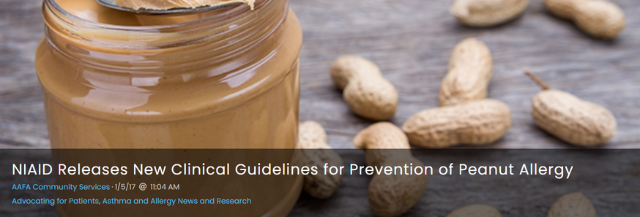
In early 2017, the National Institute of Allergy and Infectious Diseases (NIAID) release new guidelines specifically addressing peanut allergies. These guidelines received endorsement from prominent organizations such as the American Academy of Pediatrics, National Institute of Health and the American Academy of Allergy, Asthma, and Immunology, Malaysian Society of Allergy and Immunology , Canadian Society of Allergy and Clinical Immunology .

These guidelines recommend the introduction of allergenic foods at around 6 months of age, when babies are developmentally ready for solids (not before 4 months), and that all babies should have these foods by 12 months. This includes babies at high risk of allergy, unless an allergy to that particular food has already been confirmed.

Furthermore, once allergenic foods are introduced, it is beneficial to continue offering them regularly, approximately twice a week, as this practice helps in maintaining tolerance and reducing the risk of developing allergies.

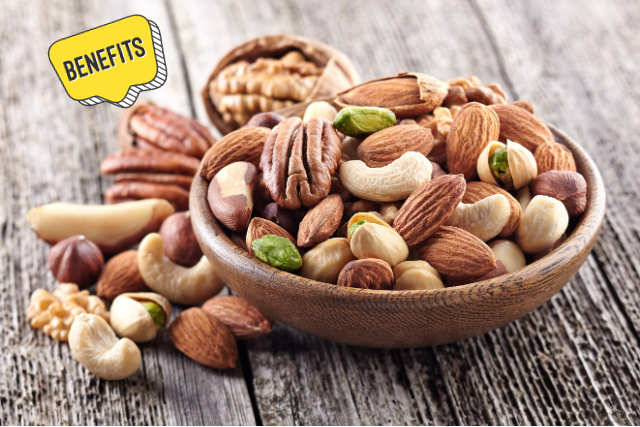
WHAT NUTS CAN BE INTRODUCED TO BABY 

PEANUTS VS TREE NUTS

Peanuts and tree nuts, despite both being categorized as ‘nuts,’ do not share a botanical relationship and originate from distinct plant families. Surprisingly, peanuts aren’t true nuts; they belong to the legume family, such as soybeans, chickpeas or kidney beans. Interestingly, most individuals with a peanut allergy can typically consume other legumes safely.

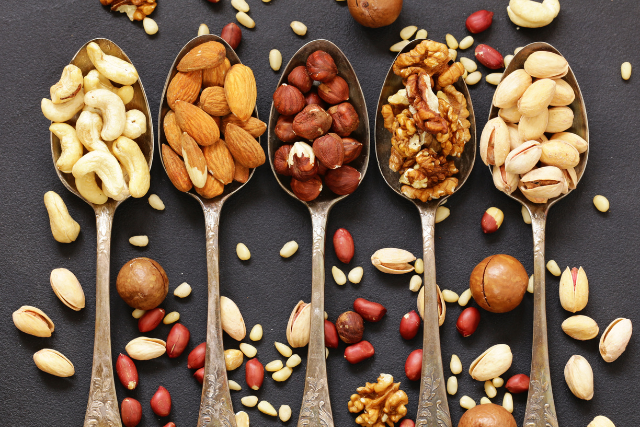
  • Peanuts
  • Almonds
  • Brazil nuts
  • Cashews
  • Chestnuts
  • Hazelnuts
  • Macadamia nuts
  • Pine nuts
  • Pecans
  • Pistachios
  • Walnuts

We know that peanuts are not related to tree nuts, so most people tend to be allergic to either peanuts OR tree nuts. However, approximately 1 in 3 individuals with a nut allergy are allergic to both peanuts and tree nuts.

It’s now known that there is some cross-reactivity can occur between different foods, as well as between pollen and certain foods or latex and certain foods. So, having a tree nut allergy doesn’t necessarily indicate an allergy to all types of tree nuts, but it significantly increases the risk of being allergic to others. For this reason, each type of nut needs to be introduced separately, ideally leaving 2-3 days between each one.

NUT BUTTERS

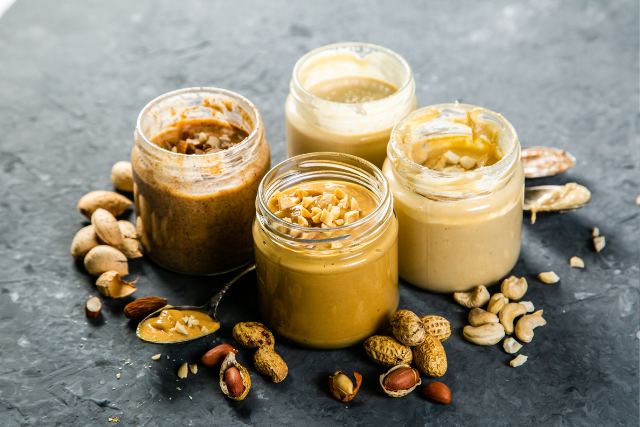
You have the option to prepare your own nut butter or purchase a commercially available brand of any of the nuts listed above. If opting for a store-bought variety, ensure that it is free from any additives like sugar, salt, oils, or preservatives. It should only contain the specific nut you intend to introduce.

After individually introducing each type of nut to your baby, using mixed nut butter can be a convenient method to continue exposing your baby to a variety of nuts simultaneously, rather than incorporating each nut separately. This approach simplifies the process of diversifying your baby’s nut consumption while ensuring they receive a broad range of nut-related nutrients.

A useful tip for nut butter: If your nut butter is too thick and clumpy, you can transfer a small amount to a microwave-safe bowl and heat it in 20-second intervals, stirring each time, until it becomes slightly warm. The heat will aid in smoothing out the nut butter and making it thinner in consistency.

GROUND OR FINELY CHOPPED NUTS

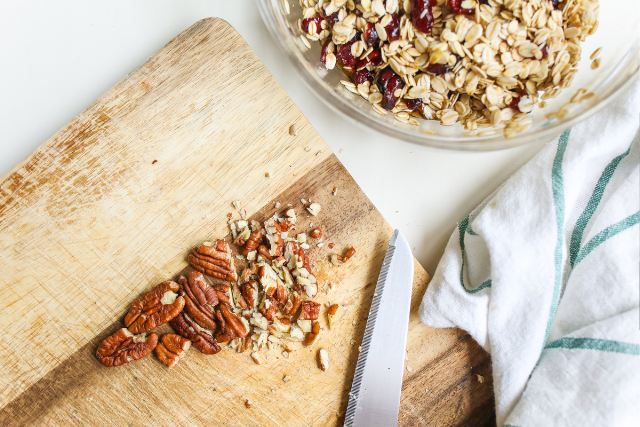
Another way to introduce nuts to your baby is by finely grinding them and then sprinkling them on top of pureed foods, oat cereal, avocado, banana, or other solid foods. To grind the nuts, you can take a small handful and pulse them in a blender or food processor until they are finely chopped. It’s essential to check the size of the nuts while pulsing every 20 seconds to avoid turning them into a paste or nut butter. Alternatively, you can finely chop a small quantity of nuts on a cutting board. Once you have the finely chopped nuts, you can sprinkle them onto your baby’s food, leave them as they are, or stir them in for added texture and flavor.

ARE NUTS A CHOKING HAZARD FOR BABY?

Whole nuts pose a choking hazard and should not be offered to children under the age of 4. Additionally, chunky nut butter with large lumps should be avoided for the same reason. To ensure safety, serve nuts to young children in alternative forms such as puffs, nut powder, finely chopped, in the form of flours, thinned nut butter, or incorporated into purees. These preparations minimize the risk of choking and make nuts more suitable for young children’s consumption.

ARE NUTS A COMMON ALLERGEN?

Peanuts and tree nuts are all classified as top food allergens, so it’s important to be vigilant about any potential reactions when introducing foods containing nut ingredients to your baby. Allergic reactions can occur within minutes to hours after consumption, so it’s advisable to offer such foods at a time when you can closely monitor your child for a few hours, rather than during dinner.

Be attentive to possible symptoms of an allergic reaction, which may include itchy rashes, hives, vomiting, difficulty breathing, swelling of the lips and tongue, and, in severe cases, anaphylaxis. Promptly contact your pediatrician if any of these symptoms occur.

FEEDING TIPS WHEN INTRODUCING NUTS 

  1. Nuts pose a choking hazard for babies and young children, so it’s important to avoid offering whole nuts, chunks of nuts, or large dollops of nut butter to ensure their safety.
  2. Serve nuts earlier in the day: When introducing a new type of nut, offer it during breakfast or lunch so you can closely monitor your baby for any potential allergic reactions.
  3. Start with a small amount: You don’t need to give your baby a large serving to check for reactions. Begin with a small quantity to gauge their tolerance.
  4. Never rub on your baby’s skin: This will not help to identify a food allergy and can actually increase the risk of an allergy developing.
  5. Keep it on the menu: After successfully introducing a specific type of nut into your baby’s diet, aim to include it regularly in their weekly meal plan. This consistent exposure can potentially reduce the risk of developing allergies later in life.

HOW TO INTRODUCE PEANUTS OR TREE NUTS TO BABY 

Begin by introducing one type of nut early in the day, allowing you to closely monitor for any potential symptoms. To ensure safety and to thoroughly assess for any overlooked reactions, it is recommended to reintroduce the same variety of tree nuts or peanuts the following day, preferably around the same time. To monitor any allergy reactions, it’s best to wait 1-2 days before switching to a different type of nut.

Here are some of my favourite ways to introduce peanuts and tree nuts to your baby’s diet:

FOR TRADITIONAL WEANING 

  1. Add a small amount of warm water to a teaspoon of nut butter. Blend until you reach a smooth consistency, never serve a globs of nut butter as it can pose a choking hazard for young children.
  2. Infant cereal or oatmeal: Mix nut butter or finely chopped nuts into baby’s meal for added flavor and nutrition.
  3. Purees: Add a small amount of nut butter or finely chopped nuts to homemade baby purees for added texture and nutrition.
  4. Smoothies: Blend nut butter into a fruit or yogurt smoothie for a creamy, nutty flavor.

FOR BABY LED WEANING OR FINGER FOODS 

  1. Pasta tossed with pesto (if making at home, you can change which nuts or seeds you use as the base).
  2. Nut butter thinly spread on toast, pancakes, or waffles strips.
  3. Sprinkle finely chopped nuts on slices of banana, avocado, sweet potato wedges, oatmeal, applesauce, or yogurt.
  4. Mixed finely chopped nuts into the batter of pancakes, waffles, and muffins. Use a small amount of almonds to replace some of the regular flour used in baked goods.
  5. Nut butter yogurt dip.

The above methods offer versatility in introducing nuts to your baby’s diet, allowing you to choose the most appropriate option based on your baby’s age and preferences.

RELIABLE DIAGNOSIS OF FOOD ALLERGY IS IMPORTANT

It is important that allergies are accurately diagnosed and confirmed by a medical doctor. Your child’s doctor may conduct skin prick tests or blood tests to assess allergen-specific IgE levels, which can aid in confirming or ruling out potential allergens. However, it’s important to note that while these tests can establish the presence of an allergy, they do not predict the severity of an allergic reaction in individuals with allergies.

It’s also worth mentioning that some other forms of allergy testing lack scientific evidence and are therefore not recommended.

BOTTOM LINE 

Many foods are suitable for young children, but whole nuts are a choking hazard until at least age 4, and spoonfuls of nut butters can be too sticky for little mouths. The good news is that there are numerous delicious ways to serve nuts, providing healthy fats, protein, and essential nutrients. Nuts are rich in vitamins and minerals like Vitamin E and iron, making them a valuable addition to children’s diets for enhanced nutrition. I hope this blogpost can help you safely incorporate nuts into your baby’s diet while minimizing risks and promoting healthy eating habits.

Did you know that I offer personalized one-on-one nutrition counselling for children and families? If this is something you’s like to learn more about, check out my service.

Can My Baby Get Enough Iron Using Baby Led Weaning

Can My Baby Get Enough Iron Using Baby Led Weaning

While I’m a fan of Baby-Led Weaning (BLW), the concern about not getting enough iron intake is real, especially since many moms like to offer fruits and veggies as starter foods for their babies. In fact, this is one of the most common mistakes parents make when practising BLW!

Iron deficiency is estimated to be the most common nutritional deficiency worldwide. It can lead to anemia, impaired growth and development, as well as impaired cognitive function, including delayed attention, learning difficulties and social withdrawal. According to Malaysia’s National Health and Morbidity Survey (NHMS) 2022 Maternal and Child Health report, 46.5% of children between 0-5 years old were anemic. Therefore, contrary to the popular saying, “Food before 1 is just for fun,” the truth is that nutrition in the first year matters greatly.


INCREASED NEEDS

By around 6 months of age, your baby’s iron stores, acquired during pregnancy, begin to deplete. This depletion is influenced by factors such as the mother’s iron levels during gestation, whether cord clamping was delayed at birth, and the baby’s gestational age at birth. In fact, about 80% of a baby’s iron stores are built up during the third trimester of pregnancy, which means that bring born “overdue” can sometimes be an advantages in this context.

While breast milk contains a relatively small amount of iron (about 0.5 mg/L) compared to formula, but the iron present in breast milk is much more bioavailable. Approximately 50% of the iron in breast milk is absorbed, compared to only about 10% from iron-fortified formula. Consequently, both breastfed and formula-fed infants actually end up receiving similar amounts of iron.

By six months, however, babies still obtain some iron from their breast milk or formula, but it is no longer enough to meet their growth needs. This is why the introduction of solid foods becomes crucial, not to replace milk, but to complement it. These first foods are often called “complementary foods,” for this reason.

This leads us to the key question: How much extra iron do babies need, and what are the best food sources to ensure they get enough?


HOW MUCH IRON DOES MY BABY NEED?

So, how much iron does a full-term, healthy-weight baby actually need?

In North America, the Recommended Dietary Allowances (RDA) for iron are:

  • BABIES 0-6 MONTHS: 0.27 mg/day*
  • BABIES 6-12 MONTHS: 11 mg/day
  • TODDLERS 1-3 YEARS: 7 mg/day

* This value is classified as an “Adequate Intake” Instead of a “Recommended Daily Allowance”. 

In Malaysia, The Recommended Nutrient Intake (RNI) is slightly different:

  • BABIES 6-11 MONTHS: 9 mg/day (assuming 10% bioavailability); or 6 mg/day (assuming 15% bioavailability)
  • CHILDREN 1-6 YEARS: 6 mg/day (10% bioavailability); 4 mg/day (15% bioavailability)

So, the exact number depends on which guideline you follow. A practical target is about 7-8 mg of iron daily for 6-12 month olds who consume meat, while vegetarian babies, may need closer to 9-11 mg per day.

It’s important to remember that the RDA of 11mg is an average requirement across 7-12 months, which includes both breastmilk/formula and solid foods. Babies’ iron needs don’t suddenly surge overnight at 6 months. Instead, their requirement rises gradually as they grow.

Naturally, there’s a big difference between a 7-month-old just starting solids and a 12 months-old which can eat a variety of foods. The great news is that babies usually adapt quickly, and with BLW, they can progress to eating a substantial amount of food in just a few months.

Most importantly, you don’t need to tract every milligrams of iron your baby eats, doing so can become stressful and unsustainable. Instead, focus on offering a variety of iron-rich foods consistently throughout the day to help your baby meet their needs.


SIGNS OF IRON DEFICIENCY

If you’re worried that your child isn’t getting enough iron, here are some common signs and symptoms of iron deficiency to look out for:

  • Slow weight gain
  • Little or no appetite
  • Pale skin
  • Fatigue or low energy
  • Always tired
  • Cold hands and feet
  • Brittle nails
  • Poor immunity (frequent illness or infections)

To help prevent anemia, the American Academy of Pediatrics (AAP) recommends a routine blood test for all 12-month-olds to check iron levels. In Malaysia, if you’ve concerns about your child’s iron intake or notice any of the above signs, it’s advisable to consult a doctor and request a blood test.

If your child’s iron levels are found to be significantly low, iron supplements may be prescribed for a few months. In such cases, diet alone is usually not enough to restore iron levels to normal, and supplementation is necessary under medical supervision.


CAN BABY LED WEANERS GET ENOUGH IRON (RESEARCH)

According to Baby-Led Introduction to Starting SolidS (BLISS) study, two hundred families inNew Zealand were divided into two groups: the BLISS group and the control group.

In the BLISS group, parents were taught to strategies prevent choking, growth faltering, as well as how to ensure an adequate intake of iron-rich foods while self-feeding. They were encouraged to offer at each meal:

  • A high iron food (e.g., red meat and fortified cereals)
  • An energy-rich food (e.g., cheese or avocado)
  • An easy-to-eat food (e.g., fruit or vegetables)

One of the key studies from the BLISS trial, titled “Impact of a Modified Version of Baby-Led Weaning on Iron Intake and Status: A Randomized Controlled Trial,” investigated the outcomes more closely. Researchers assessed nutrient intake at 7 and 12 months using weighted 3-day diet records, and iron status was measured through blood samples taken at 12 months of age.

The results showed that 83% of babies in both the control and BLISS groups had adequate iron levels, while anemia was found in 5% of the control group and 7% of the BLISS group. Importantly, there were no significant differences between the two groups in terms of iron levels and stores at either 7 or 12 months of age.

This is promising news! It suggested that with the right education and guidance, BLW can be a nutritious and safe approach to introducing solid foods without increasing the risk of iron deficiency.


So, Can BLW Babies Get Enough Iron?

The short answer is YES! It is absolutely possible.

Traditionally weaned babies often rely on iron-fortified rice cereal as their main source of iron, which is usually skipped in BLW. But, BLW babies can still meet their iron needs. In fact, BLW babies are often introduced to meat earlier if it’s part of the family’s diet, whereas traditionally weaned babies may not eat meat right away at the beginning of starting solids.

Research shows that as long as parents consistently offer iron-rich foods at each meal, there is no significant difference in the iron status between babies following BLW and those fed purees.

For vegetarian and vegan babies, meeting iron needs may be more challenging, but it is achievable with careful planning. Offering a variety of iron-rich plant-based foods, such as legumes, tofu, leafy greens, and fortified cereals, paired with vitamin C-rich foods to boost absorption, can help ensure adequate intake. In some cases, including fortified rice cereal may also be beneficial.


WHAT FOODS ARE HIGH IN IRON

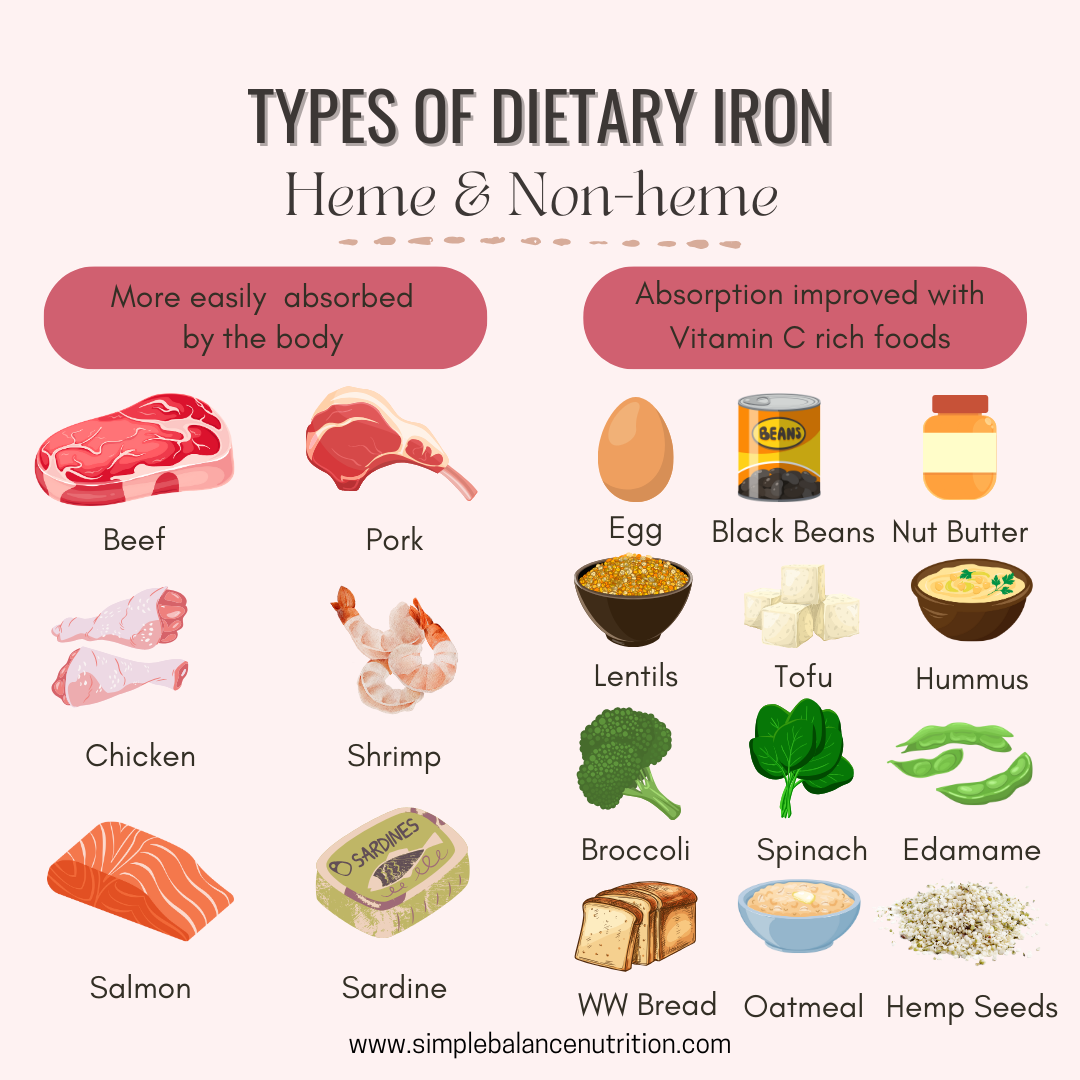
There are two main types of  dietary iron: heme and non-heme.

  • Heme iron, found in animal products like meat, fish, and poultry, the human body has a high absorption rates at approximately 20%.
  • Non-heme iron, found in plant sources like soy, lentils, beans, and even eggs, but it is less readily absorbed by the body, with only about 10% uptake.

This difference in bioavailability means that not all iron sources are equal.

I don’t believe in focussing too much on numbers or counting exact milligrams of iron every day, as this approach can lead to unnecessary stress. However, I do think it is useful to know the amounts of iron found in realistic serving sizes of some common foods. Here are some examples:

HEME-IRON FOODS (ANIMAL SOURCES):

  • Liver (chicken, turkey, lamb), cooked* = 6.2-9.7 mg
  • Ground beef (75 g) = 1.3-2.2 mg
  • Ground chicken/pork (75 g) = 0.8-1.2 mg
  • Chicken (75 g) = 0.4-2 mg (dark meat has higher levels than white meat)
  • Sardines, canned (75 g) = 1.7-2.2 mg
  • Tuna, light, canned in water (75 g) = 1.2 mg

*While liver is an excellent source of iron, it contains an excessive amount of preformed Vitamin A, which can be toxic for young children. The Upper Limit recommended for ages up to 3 years is 600 micrograms, whereas just 1 oz of liver contains over 5,000 micrograms. Plus, the liver is the filter for our body and may contain trace metals, so it should not be a regular food for babies.

Ways to serve heme-iron foods in BLW:

  • Ground meat sauce on pasta or rice
  • Mini baby burgers or meatballs
  • No-added salt canned sardines as finger food
  • Pressure or slow-cooked pork or beef roast, shredded
  • Pork ribs or chicken legs (removed skin, gristle and small bones)
  • Boneless chicken thighs, cut into finger-sized strips
  • Fish or salmon cakes

NON-HEME IRON FOODS (PLANT SOURCES):

  • Eggs (2 eggs) – 1.2 – 1.8 mg
  • Edamame (1/2 cup) = 1.9-2.4 mg
  • Tofu (¾ cup) = 2.4-8 mg
  • Lentils (¾ cup) = 4.1-4.9 mg
  • Beans (white, kidney, navy, pinto, black, etc.) (¾ cup) = 2.6-4.9 mg
  • Hummus (¼ cup) = 1.4 mg
  • Oatmeal, instant, cooked (¾ cup) = 4.5-6.6 mg
  • Wheat germ (1 tbsp) = 1.2 g
  • Spinach, cooked (½ cup) = 2.0 -3.4 mg
  • Hemp hearts (1 tbsp) = 1.4 mg
  • Blackstrap molasses (1 tbsp) = 3.6 mg

Ways to serve non-heme iron foods in BLW:

  • Fried eggs, cut into strips or scrambled
  • Firm tofu strips, sautéed or roasted
  • Soft tofu blended into smoothies for variety
  • Add blackstrap molasses to muffins or pancakes
  • Sprinkle wheat germ or hemp hearts onto yogurt or blend into a smoothie
  • Spread hummus on a toast fingers
  • Offer black beans as finger food for practicing their pincer grasp
  • Smush larger beans like chickpeas with your finger, to reduce choking risk
  • Bean or lentil patties
  • Spread nut butters thinly on toast fingers


TIPS TO GET ENOUGH IRON WHILE USING BLW (6-12 months)

1. Continue offering adequate breast milk or formula as the baby’s main source of nutrients. At this age, solid foods serve as complimentary foods, helping to boost nutrient intake while gradually preparing your baby’s digestive system for the full transition to solids.

2. Ensure that every meal includes a source of iron, both heme and non-heme iron.

3. Incorporate fortified infant cereal baked into baked finger foods for an easy iron boost. You can also replace half of the flour in pancake recipes with fortified infant cereal to increase iron content.

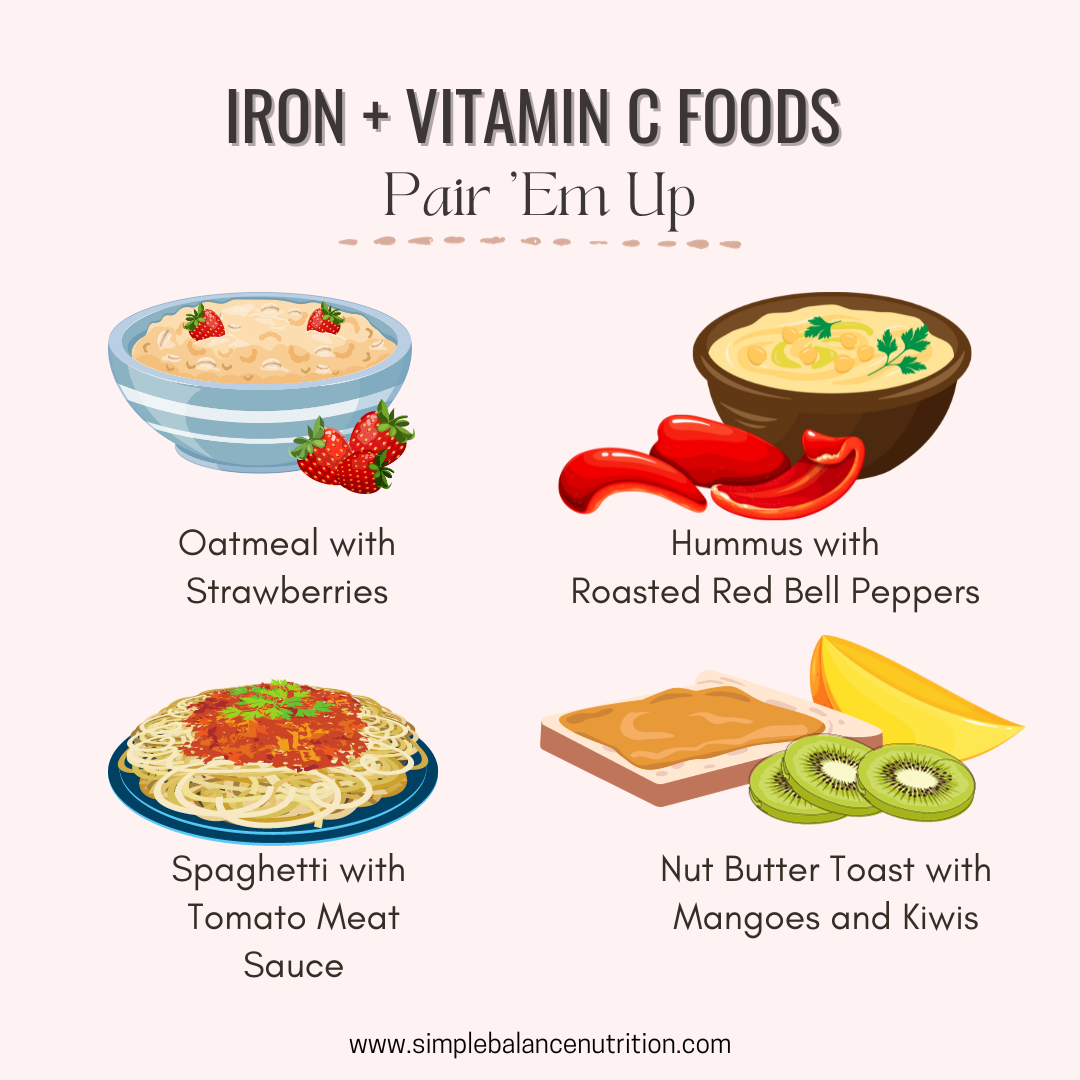
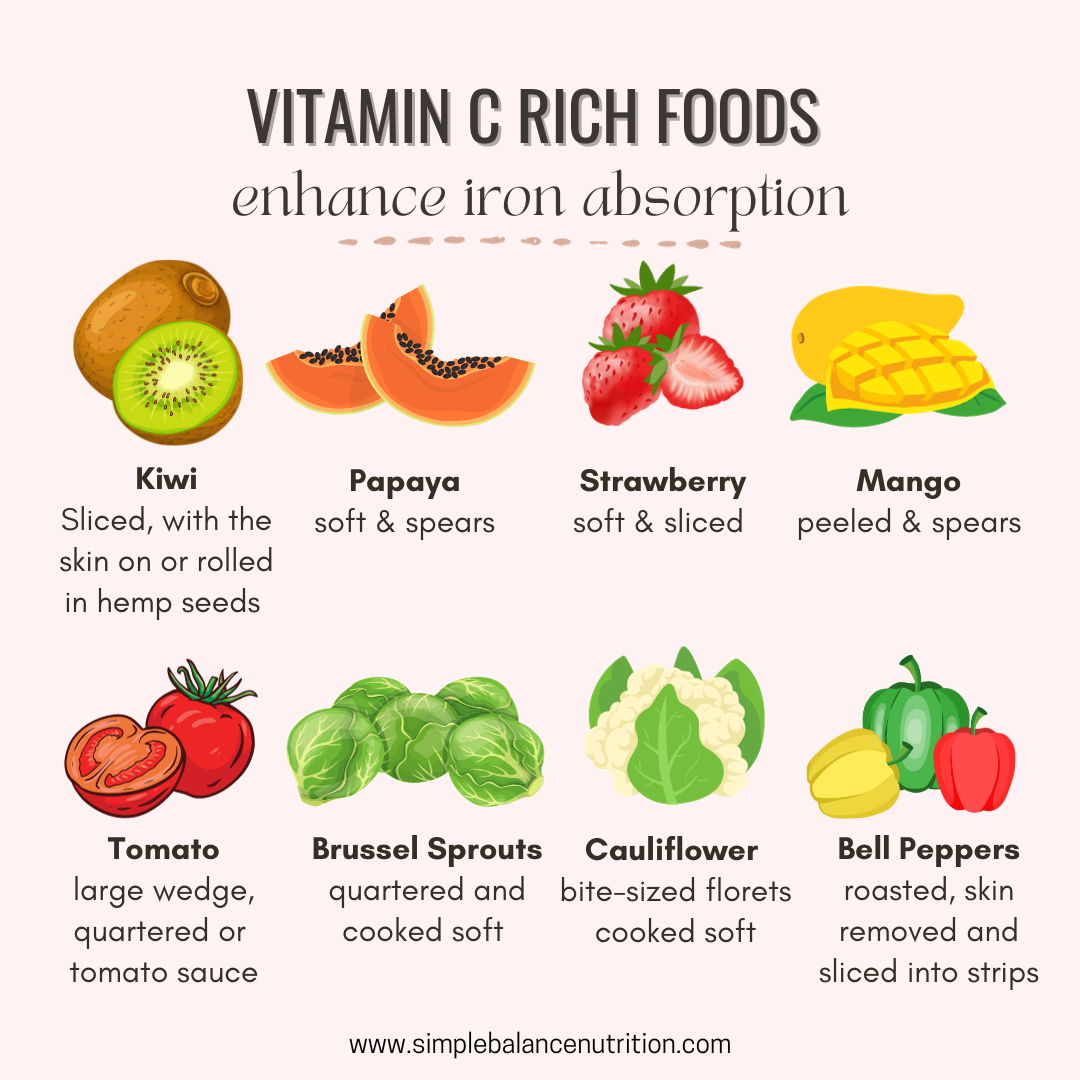
4. Pair iron-rich foods with vitamin C rich foods, to increase the absorption of non-heme iron in the body. For example, top fortified pancakes or cereal with fruit compote; serve lentils in stewed tomatoes and add spinach to a fruit smoothie.

Other excellent sources of vitamin C, including bell peppers, tomatoes, broccoli, citrus fruit and berries, etc. Combing ground meat with a tomato-based sauce creates an ideas meal that provides both heme iron and vitamin C to boost absorption.

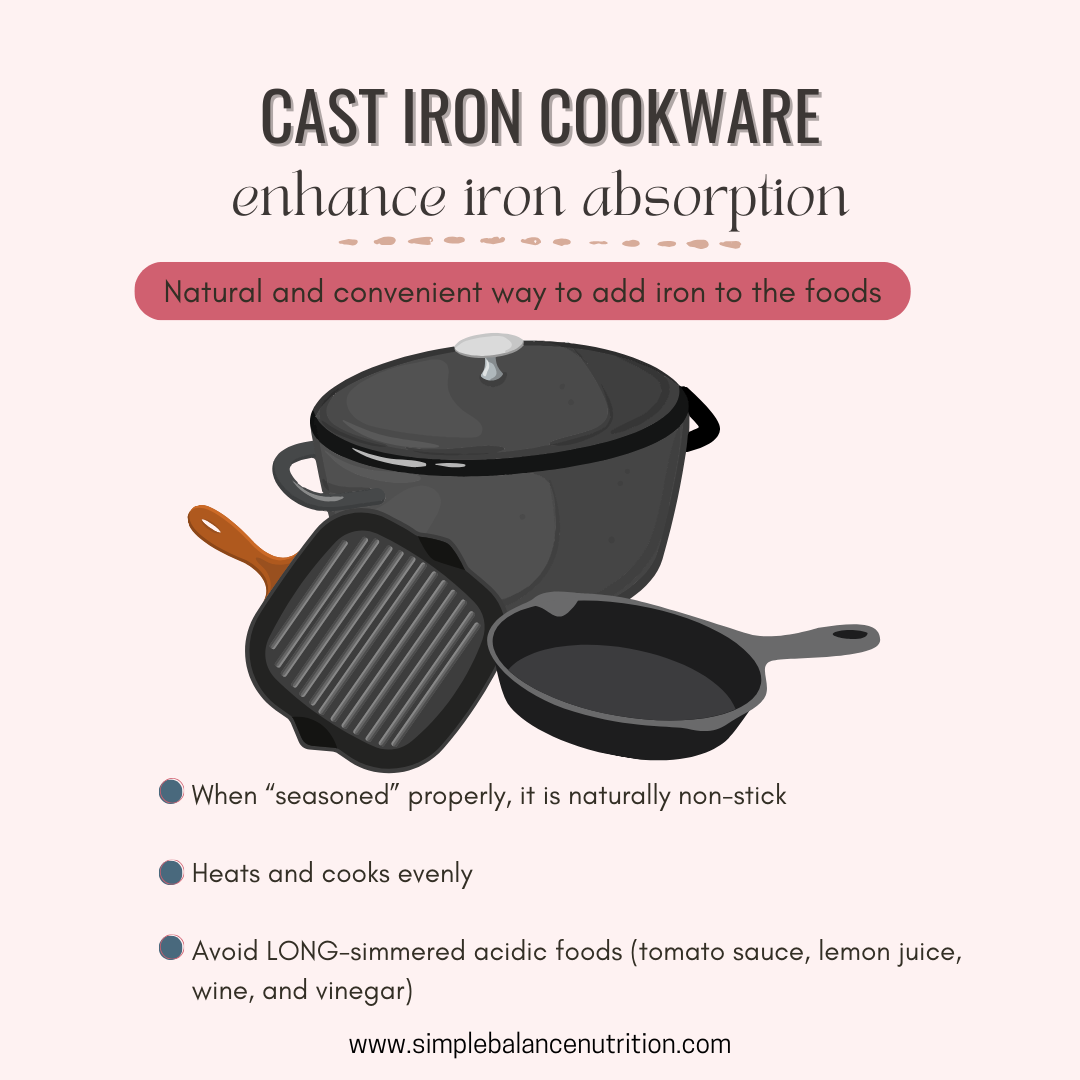
5. Cook with cast iron cookware. Cooking with cast-iron pots and pans can safely increase the iron content of your meals. If you don’t have cast-iron cookware, you can try a product called the Lucky Iron Fish®. This simple, reusable and effective cooking tool that adds extra iron to your daily foods, soups or drinks. It is an affordable and effective solution, especially for families managing iron deficiency anemia.

6. Cook with garlic or onion. Preparing meals with allium-containing ingredients, such as garlic and onions can help increase iron absorption.


BOTTOM LINE 

Regardless of which feeding approach you choose, it’s important to introduce iron-rich foods around 6 months of age, once your baby shows developmental readiness for solid foods.
Babies following the Baby-Led Weaning approach can absolutely meet their iron needs by offering a variety of iron-rich food at each meal.

Want more tips to make Baby-Led Weaning easier and more enjoyable for your little one? Enroll in our online course, Baby’s First Bites, and get step-by-step guidance to help your baby thrive at mealtimes.

Update: August 19, 2025

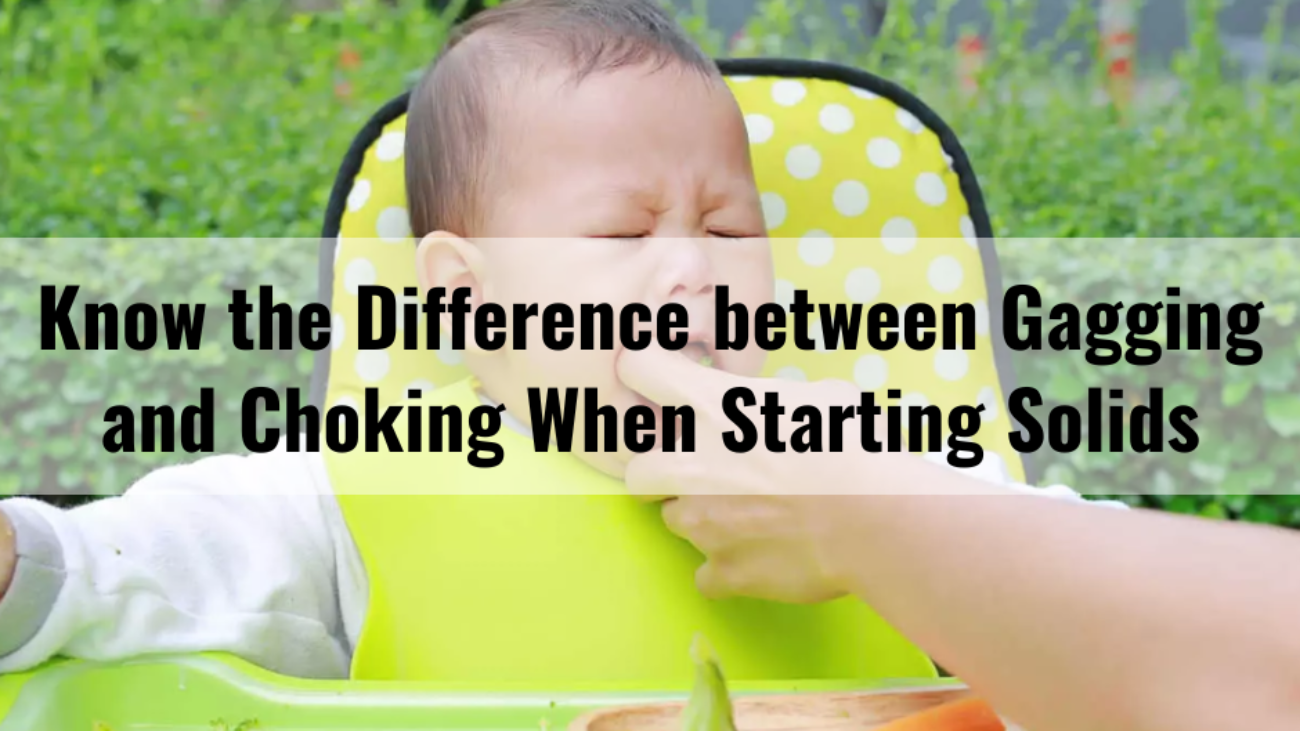
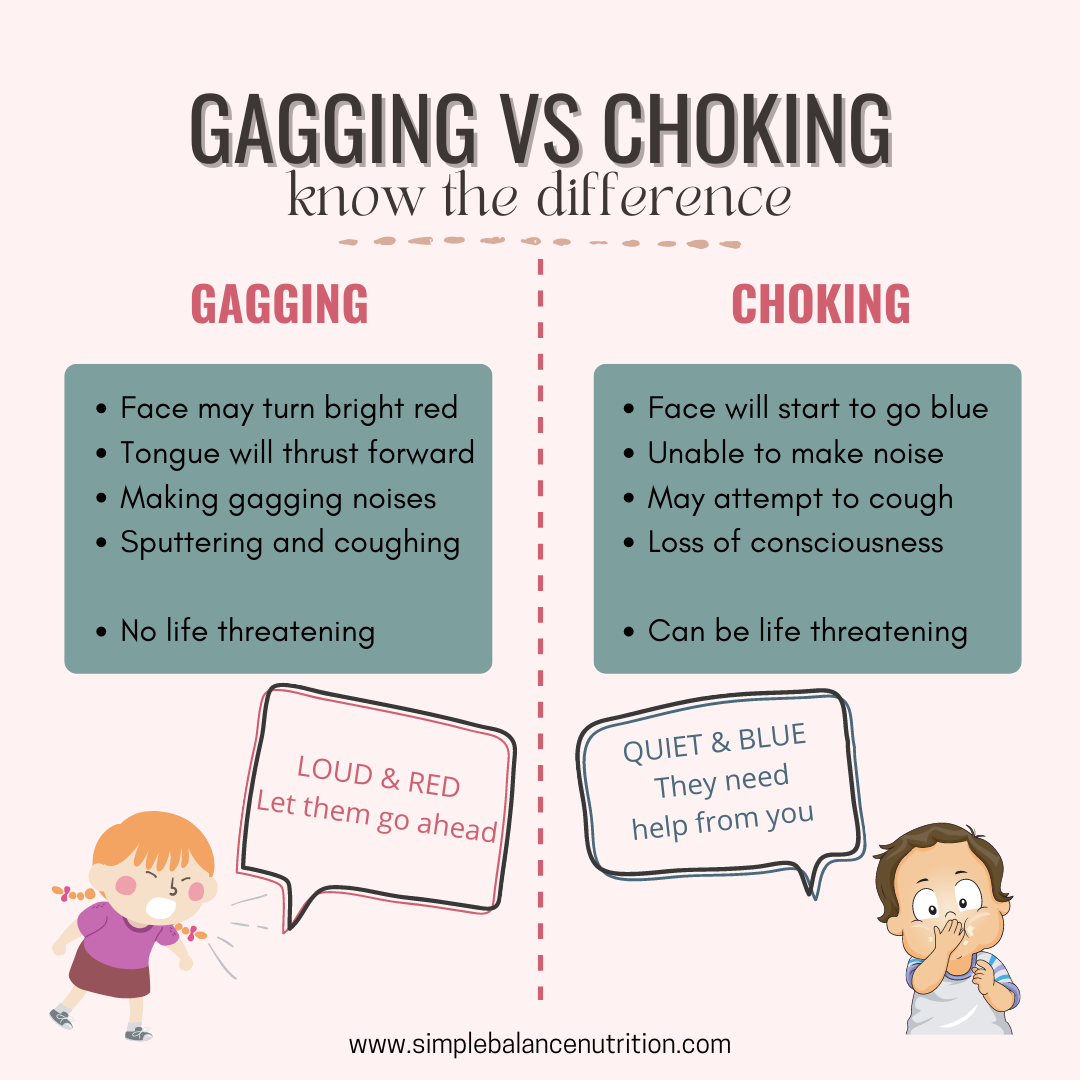
Know the Difference between Gagging and Choking When Starting Solids

Know The Difference Between Gagging and Choking When Starting Solids

Many parents are terrified of feeding their baby beyond purees or finger foods.

“Is there a risk of my baby choking if I introduce finger food?”

“What is the difference between gagging and choking?”

“How to prevent my child from choking?”

“What should I do if my baby starts choking or gagging?”

“How can I overcome my intense fear of choking when feeding my baby?”

DOES BLW INCREASE THE RISK OF CHOKING? (WHAT THE RESEARCH SAY)

A 2021 review study quoted: “Fear of choking was an important factor in parents’ decision not to implement BLW; however, this fear was not supported by the literature.”

Today, I will provide a breakdown of two studies that have examined the risk of choking associated with Baby Led Weaning as a method for introducing solids.

THE BLISS STUDY

BLISS stands for “Baby-Led Introduction to Starting Solids”. This clinical trial on choking was published in the “Pediatrics” journal and titled “A Baby-led Approach to Eating Solids and Risk of Choking” This study included 206 families.

During the study, parents completed questionnaires at 6, 7, 8, 9, and 12 months of age regarding their baby’s choking and gagging experiences. Additional follow-up questions were asked to parents who reported incidents of choking to gather information about the type of food consumed and how the choking was resolved.

The findings revealed that approximately 35% of babies experienced at least one episode of choking between the ages of 6 and 8 months. There was no significant difference in the incidence of choking between the two groups at any of the assessed time periods.

However, it was observed that babies who started with Baby Led Weaning initially experienced more frequent gagging at 6 months, which decreased by the time they reached 8 months. On the other hand, babies in the puree group exhibited an increase in gagging incidents by 8 months, likely due to their progression to consuming finger foods. It is important to note that the gagging stage is a normal part of learning to eat and cannot be entirely avoided.

Regarding cases where medical assistance was required due to choking, two babies choked on milk, while one choked on food that was placed in their mouth by a caregiver (it is not recommended with Baby Led Weaning). This highlights the fact that choking can occur with any type of food or substance.

Furthermore, the researchers discovered that both groups frequently offered choking hazards to their babies, and not all parents closely supervised their babies during feeding.

ANOTHER STUDY PUBLISHED BY Dr. Amy Brown

This observational study was titled “No difference in self-reported frequency of choking between infants introduced to solid foods using a baby-led weaning or traditional spoon-feeding approach.

The survey also inquired about instances of choking experienced by the babies, including the frequency and the type of food involved (smooth puree, lumpy puree, or finger food).

The results indicated that 13.6% of the babies (155 out of the 1151) had experienced choking incidents. However, no significant correlation was found between the chosen method of introduction (BLW or traditional) or the frequency of spoon-feeding purees and the occurrence of choking.

It is noteworthy that among the babies who experienced choking, those following a traditional weaning approach had a higher number of choking episodes associated with finger foods and lumpy purees compared to babies following either strict or loose BLW.

This observation raises potential hypotheses: BLW mothers might exhibit lower anxiety levels, leading to less overinterpretation of choking incidents or excessive assistance during feeding, which can pose risks. Alternatively, the higher incidents of choking among traditional weaning babies could be attributed to their lower exposure to finger foods in the early stages, resulting in less practice when the gag reflex is more sensitive. This finding emphasizes the importance of introducing finger foods from the beginning, regardless of whether purees are included in the feeding approach.

Overall, based on the research, it suggests that the potential risk associated with BLW is not significantly higher compared to a traditional approach when initiating solid foods.

IS MIXED FEEDING SAFE?

Both Health Canada and the National Health Services (NHS) in the UK actually recommend a combination approach when introducing solids, which includes offering both finger foods and purees right from the start.

Despite some adamant claims made by Baby-led Weaning Facebook groups suggesting that this method increases the risk of choking, both research findings and personal experiences from my clients and my own child have not supported this belief.

Therefore, if you choose to incorporate both pureed foods and finger foods into your baby’s diet, there is no need to strictly adhere to the label of “Baby-led Weaning.” The important thing is to follow responsive feeding practices when spoon-feeding purees, being attentive to your baby’s hunger and fullness cues to avoid overfeeding. Additionally, make sure to offer finger foods during each meal to provide opportunities for your baby to practice self-feeding.

Ultimately, what matters most is following a feeding approach that suits your baby’s needs and abilities, regardless of the specific labels or guidelines, while prioritizing their safety and nutritional needs.

GAGGING

WHAT IS GAGGING?

Gagging is a natural reflex that helps prevent choking by stopping us from swallowing. It’s a normal and important part of learning to eat solid foods for babies. Gagging brings the food up to chew more before it goes back down, ensuring that only well-chewed food reaches the back of the throat to be swallowed.

Gag reflex effectively keeps larger food pieces near the front of the mouth, only allowing very well-chewed foods to the back to be swallowed.

During the initial stages of introducing solid foods, your baby’s gag reflex is positioned at the front one-third of their tongue. However, as they gain experience and exposure to different solid foods, the reflex gradually shifts further back. Eventually, it settles at the top of the throat, where the gag reflex is typically located in most adults.

WHAT TO DO IF YOUR BABY IS GAGGING

If your baby is gagging, avoid patting their back or attempting to stick your fingers in your baby’s mouth to remove the food, as this could cause the food to move deeper and potentially result in choking. Instead, demonstrate coughing the food up and spitting it out. Remember to stay calm and relaxed, as your reaction can influence your baby’s response to gagging and make the eating experience less enjoyable for them.

Never interfere! Allowing your baby to stay in control and figure it out on his own.

HOW TO PREVENT GAGGING

To help prevent gagging, there isn’t much you can do during your baby’s mealtime. However, you can start preparing them for learning how to eat by bringing them to the table around 5 months of age. Offer them a “hard munchable” item to chew on, such as a rib bone, celery, or a raw carrot. Although they won’t actually consume it, this will make your baby feel included in the family meal and increase their awareness of their mouth and how it functions. It can also strengthen their mouth muscles and potentially reduce a highly sensitive gag reflex.

WHEN TO GET HELP FOR GAGGING

If your baby continues to gag with every bite after a few weeks of introducing solid foods, it may be necessary to seek assistance from an Occupational Therapist or Speech-Language Pathologist.

Occasionally, babies may gag to the point of vomiting, which is also relatively common. To minimize this, try spacing out milk feedings from solids to ensure their stomach is not overly full during mealtime. This can reduce the likelihood of vomiting and prevent significant calorie loss.

If your baby consistently gags and vomits when eating solids exclusively, it might be beneficial to take a break from introducing solids for now. Your baby may not be quite ready, so waiting until they reach six months of age and then trying again could be a good approach.

For babies older than six months, consider offering purees for a week or two before reintroducing finger foods. While babies can still gag on purees, it might be easier for them to manage initially. Remember, it’s important to follow a baby-led approach if it aligns with your preferences and situation.

CHOKING

WHAT IS CHOKING?

Choking occurs when food accidentally enters the airway instead of the esophagus (food pipe).

During choking, a baby will not make much noise or may be completely silent as their air pipe becomes blocked. It is important to remember that loud gagging noises can be a positive sign in such situations.

When a baby is unable to obtain oxygen due to choking, their breathing is compromised, and their lips and face may turn blue.

IS CHOKING NORMAL FOR BABY LED WEANING

Fortunately, choking is significantly less common than gagging.

When reviewing the research, it is worth noting that approximately 13%-35% of babies in these studies were reported to have experienced choking at least once. Personally, I consider myself fortunate as I never had this experience with any of my children.

WHAT TO DO IF BABY CHOKES?

Choking is much more serious than gagging, and requires immediate intervention.

If there is another adult or older child present, quickly shout for their help and instruct them to call ambulance. In the absence of someone else, immediately make the call yourself while initiating infant CPR. Taking an infant first aid course can provide you with the knowledge and skills to handle such situations with confidence, even though the chances of it happening are unlikely.

KNOW THE DIFFERENCE BETWEEN CHOKING AND GAGGING

GAGGING 

Loud and red = gagging, let baby work it out

  • Face may turn bright red
  • Tongue will thrust forward
  • Making gagging noises
  • Sputtering coughing
  • No life threatening

It is advisable to avoid overreacting when your baby experiences gagging during mealtimes, as this may create fear and increase stress for both you and your baby. It is recommended to allow your baby a moment to handle the gag reflex independently without any intervention from you.

CHOKING

Silent and blue = choking, baby needs your help immediately

  • Face will start to go blue
  • Unable to make noise
  • May attempt to cough
  • Loss of consciousness
  • Can be life threatening

Choking occurs when food passes beyond the gag reflex and obstructs your baby’s airway, leading to either partial or complete blockage. This can result in a significant reduction or complete cessation of oxygen reaching the lungs, making it difficult for your baby to breathe. Choking is a severe situation that demands IMMEDIATE intervention, and if your baby is choking, it is crucial to promptly initiate infant CPR.

CHOKING HAZARDS 

It is important to note that BLW does carry a potential risk of choking compared to offering purees, especially when certain types of foods are introduced. Choking incidents occur when the airway becomes obstructed, which can happen if a baby bites off a piece of hard food that perfectly blocks the air passage. Therefore, careful attention must be given to the size and texture of foods offered during BLW. It is crucial to closely supervise your baby during mealtime and consider taking an infant CPR course as a precautionary measure.

HERE’S A FULL LIST OF POTENTIAL CHOKING HAZARDS

  • Raw hard vegetables (carrots or beets)
  • Raw leafy greens
  • Fibrous and stringy foods (celery, pineapple, or asparagus)
  • Firm fruit with and without peels (apples)

  • Fruits with pits or seeds, that haven’t been removed (whole plum or peach)
  • Whole grapes
  • Whole blueberries
  • Whole cherry tomatoes
  • Dried fruits (raisins, dried apricots)
  • Chunks of firm meat (steak)
  • Fish with bones

  • Whole hotdogs or sausages
  • Cheese sticks

  • Whole nuts and seeds
  • Think globs of nut butter

  • Hard candies, mints, or cough drops
  • Gummy bears
  • Popcorn
  • Marshmallows
  • Hard chips or nachos
  • Chewing gum
  • Snacks with toothpicks or skewers

ALTERNATIVE WAYS OF SERVING:

  • Steam vegetables and fruit.
  • Peel and grate hard vegetables and fruit like carrots, apples, and zucchini.
  • Grate cheese.
  • Always remove pits and seeds from fruit.
  • Slice small and round foods into quarter lengthwise.
  • Thinly spread any nut or seed butter on toast.
  • Remove bones from fish or meat.
  • Serve fresh, frozen, or canned (rinsed) corn instead of popcorn.

Well it’s possible for your baby to choke on food (or toys/coins/may other objects), there is a lot you can do to prevent choking.

TIPS TO PREVENT CHOKING WITH BLW

  1. Ensure that your baby is developmentally ready for solids.
  2. Positioning: Make sure your baby is sitting upright during mealtime and avoid a reclining position. Provide proper support by using a high chair that keeps your baby well-supported. Using rolled-up towels if needed to ensure proper positioning, with the tray (or table) positioned between their nipples and belly button.
  3. Minimize distractions: Avoid having toys or the TV on during meals as it may distract your baby and increase the risk of choking. Also, discourage running around with food once baby starts walking.
  4. Supervise mealtime: Always watch your baby while they eat and avoid sitting them on your lap during meals. It is important to have a clear view of your baby’s face while they are eating to ensure their safety.
  5. Let them self-feed: Never put a piece of food into your baby’s mouth. If you put food into their mouth, it may immediately fall to the back, without baby having a chance to control it with their tounge and chew it. Let them feed themselves. Also, never attempt to fish food out of their mouth.
  6. Offer safe size of food: Avoid round items like raw hard pieces of vegetables and fruit. Instead, either grate them or slice them thinly. Whole grapes, blueberries, or cherry tomatoes should also be sliced lengthwise into quarters, so they are not a round shape.
  7. Offer soft foods: Test the foods to make sure you can mash them with gentle pressure from your thumb and forefinger. This is called the “squish test“. If the food is harder, make sure it’s in a safe shape (ex: grated or sliced thinly)
  8. Take an infant CPR course.

BOTTOM LINE

It’s very important for parents to recognise the difference between gagging and choking and the different ways each scenario should be treated.

Remember that gagging is a normal reaction that weaning babies have as their gag reflex is triggered while learning to eat. Choking is when their airway gets blocked, and requires immediate first aid and medical attention.

Hope this was helpful. Please check out more about food textures, finger foods and choking on my IG highlights.

Did you know that we offer personalized nutrition counselling for kids and families? If this is something you’d like to learn more about, please visit here

Benefits of Introduction Solids with Baby Led Weaning

Benefits of Introducing Solids with Baby Led Weaning

Baby-led weaning (BLW) is an approach to introducing solid foods to babies that emphasizes self-feeding and allowing the baby to explore a variety of foods at their own pace. While BLW does offer several practical benefits, such as convenience and cost-effectiveness, there are also physiological reasons why it can be advantageous for your child. Here are some ways in which these benefits of baby led weaning can extend into your child’s lifetime:

INDEPENDENCE & AUTONOMY

BLW fosters independence and autonomy from an early age. By allowing babies to self-feed and choose what to eat, they gain a sense of control over their food choices. This empowerment can positively impact their self-esteem, decision-making skills, and confidence in their ability to make healthy food choices throughout their lives.

SELF-REGULATION & PORTION CONTROL

One of the key principles of BLW is allowing babies to control their own food intake. By offering a variety of nutritious foods in appropriate sizes and shapes, babies learn to recognize their hunger and fullness cues, promoting self-regulation of food intake. This self-regulation can help prevent overeating or undereating. It sets the stage for portion control and can reduce the risk of developing unhealthy eating patterns or weight-related issues as they grow older.

MOTOR DEVELOPMENT

BLW encourages the development of fine motor skills, hand-eye coordination, and chewing abilities. By allowing babies to handle food and feed themselves, they have the opportunity to practice and refine their motor skills, including grasping, picking up small pieces of food, and bringing it to their mouths. This can contribute to their overall motor development.

SENSORY EXPLORATION 

BLW exposes babies to a variety of textures, flavors, and smells from a wide range of foods. This early sensory exposure can help in developing their taste preferences, expanding their palate, and promoting a positive relationship with food. Research suggests that babies who experience a variety of flavors during weaning are less likely to develop texture aversions or picky eating behaviors later in life.

ORAL DEVELOPMENT 

The process of chewing and self-feeding during BLW stimulates the muscles involved in oral development. It encourages the baby to move their tongue and jaw, promoting the development of oral motor skills necessary for speech and swallowing. BLW can also contribute to the strengthening of jaw muscles, which may aid in preventing issues such as oral aversions or delayed speech development.

FAMILY MEALTIME DYNAMICS

BLW promotes the inclusion of infants in family mealtimes from the start. This practice creates a foundation for regular family meals, which have been associated with numerous benefits. Eating meals together as a family encourages communication, bonding, and social interaction. It also provides an opportunity for parents to role model healthy eating behaviors, table manners, and conversation skills. These positive mealtime habits established during BLW can carry over into adulthood, fostering healthier eating patterns and stronger family connections.

OTHER BENEFITS OF BABY LED WEANING BASED ON MY PERSONAL EXPERIENCES 

TIME & MONEY SAVING 

As a parent practicing BLW, I have experienced firsthand the practical benefits it offers. By allowing my twins to self-feed with appropriately-sized pieces of our family meals, I have saved time that would have been spent making or buying separate baby food. This has not only made meal preparation more convenient but has also resulted in reduced stress levels for me, as I can focus on enjoying mealtime and fostering a positive relationship with food for my twins, without the pressure of spoon-feeding or monitoring exact amounts consumed.

STRESS-FREE

With this approach, I found myself less concerned about my baby’s weight and felt less inclined to apply pressure or restrictions during feeding. This allowed for a more enjoyable and relaxed mealtime experience. Moreover, I noticed that my twins displayed a remarkable openness to different flavors and textures. Additionally, the early exposure to a variety of flavors and textures helps expand their palate, promoting a willingness to try new foods.

BOTTOM LINE 

Indeed, the benefits of introducing solids through baby-led weaning can have long-lasting effects on your baby’s eating habits and overall well-being. However, it’s important to note that while BLW can have physiological benefits, it may not be suitable for every baby or family. It’s always recommended to consult with a pediatrician or a dietitian to determine if it’s appropriate for your baby based on their individual needs and development readiness.

Personally, as a dietitian, I loved baby-led weaning as a way to start solids and totally recommend it! Two years later I still see so many benefits of doing it. I’m happy to answer any questions you may have about baby-led weaning. Just leave them in the comments and I’ll respond!

Happy Feeding!

You might also interested in reading about Introducing Solids To Your Baby: Baby-Led Weaning Vs. Spoon Feeding.

The Ultimate Gift Guide For Babies And Toddlers

The Ultimate Gift Guide For Babies And Toddlers

If you are searching for fun, practical and educational food and eating-related gifts for children and parents, I hope you will enjoy this guide of my favorite feeding tools, books, and gadgets. I used most of them myself and those that I did not are definitely on my wish list.

BABY FEEDING GIFT ESSENTIALS 

A GOOD QUALITY HIGH CHAIR

If you’re getting ready to start solids, or even if you’ve already started and looking for a comfortable, ergonomic and easy to clean high chair for your baby, here is my top 3 recommendations:

1. STOKKE TRIPP TRAPP HIGH CHAIR
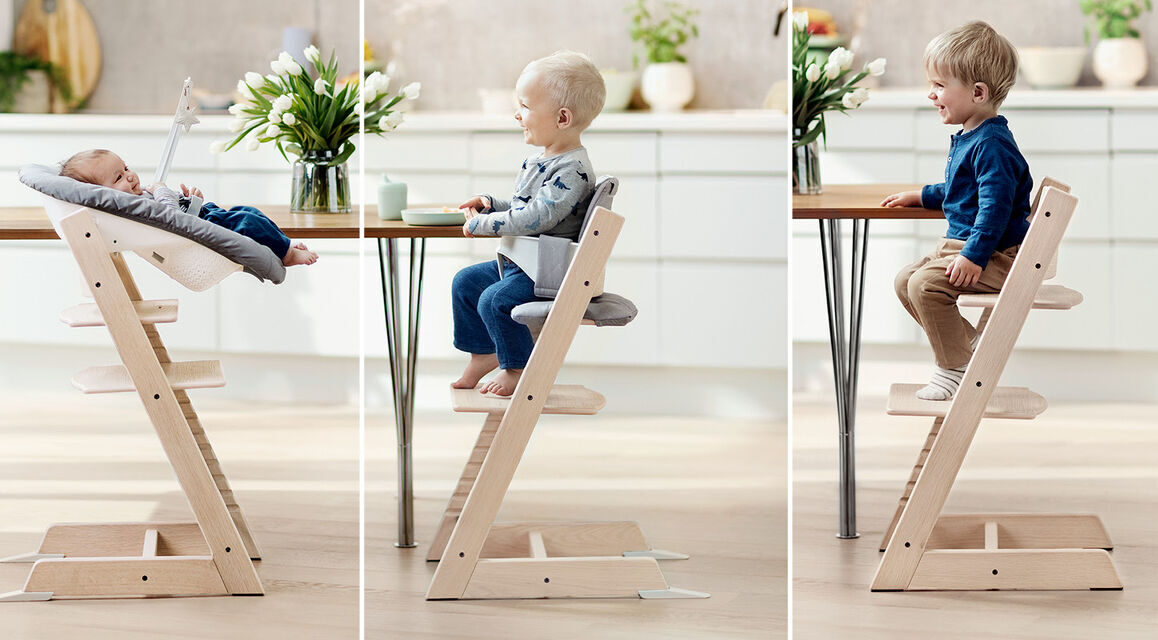
The Stokke Tripp Trapp is a high quality wooden chair with an adjustable footrest. It is made to grow with your baby so they can continue to use it into toddlerhood and beyond. Be sure to purchase the Tray and Baby Set for feeding infants 6 -18 months.


2. NOMI HIGH CHAIR

The Nomi High Chair is a modern upgrade to the Tripp Trapp. It is light and easy to move or hang on the table for clean-up. The adjustable footrest and seat do not require tools.

You can get 10% off Nomi High Chair with the code YETING: click here to shop.


3. IKEA ANTILOP HIGH CHAIR

Another budget friendly high chair. For most babies, the seat is very big and can have a large gap between the baby’s chest and the tray, which means baby will have to lean over to reach for foods. I suggest buying the ANTILOP support cushion that’s sold separately to help fix this issue. This high chair doesn’t have a footrest, so what I suggest is buying a footrest to solve this problem too!


EZPZ FIRST FOODS SET
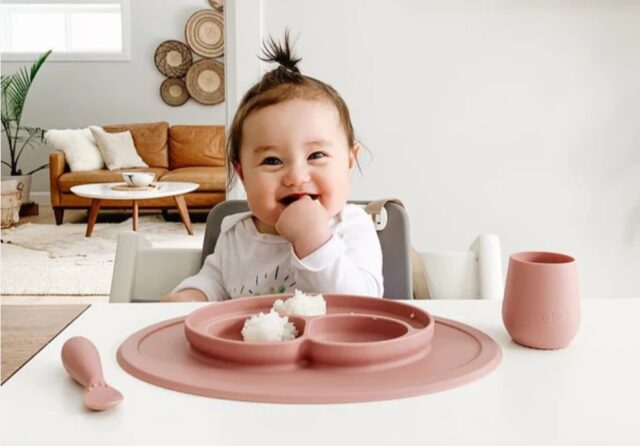
This set consists of 1 EZPZ Tiny Bowl, 1 Tiny Cup and a 2-pack of the Tiny Spoons. This set contains everything you need to get a safe start to solid foods.

Singapore:You can get 10% off with the code YETING: click here to shop.

Malaysia:You can get 10% off with the code YETING: click here to shop.


EZPZ TINY SPOON TWIN-PACK
Longer-handled spoons are useful when baby is being fed by a parent or caregiver, but for self-feeding babies, shorter handles, wider handles or handles with guards are better. EZPZ Tiny Spoon is designed to help baby learn how to feed independently. Adult-size spoons are too large for a baby’s mouth, so these tiny spoons have narrow spoon bowls that will help with portion control and prevent overfeeding and gagging. It actually works for both purees and the baby-led weaning feeding methods, therefore you’ll need to invest in at least two or three baby spoons for feeding.

Singapore:You can get 10% off with the code YETING: click here to shop.

Malaysia:You can get 10% off with the code YETING: click here to shop.


NUM NUM PRE-SPOON GOOtensils
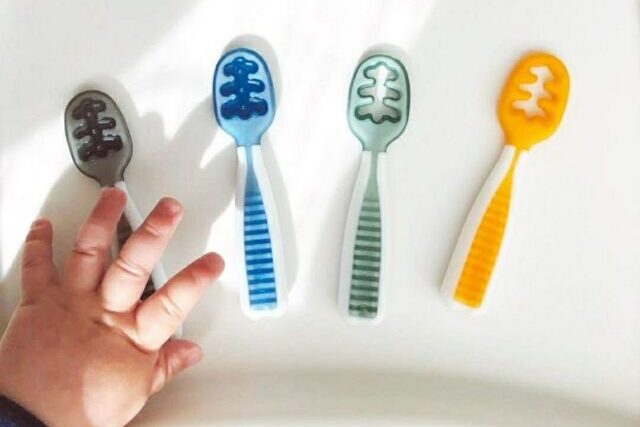
When babies are just learning to handle a spoon, the food tends to slide right off. These spoons are great for “grabbing” the puree during self-feeding (or baby led weaning).

Singapore:You can get 10% off with the code YETING: click here to shop.

Malaysia:You can get 10% off with the code YETING: click here to shop.


GRABEASE BABY FORK & SPOON SET
These utensils feature short easy to grab handles that make it impossible for your little one to stick too far into their mouth. Additionally, the ergonomically shaped handles are easier for tiny hands to grab. When first starting I like to help them practicing poking and then showing them how they can bring the food to their mouth. This is a great first set, but don’t expect your baby to be proficient until closer to 12+ months.


SUCTION PLATES & BOWLS

When introducing solid foods to your baby, messy mealtimes are common. Suction bowls and plates help minimize the mess, so be sure to select baby bowls and plates with great suction.

1. OXO TOT STICK & STAY SUCTION BOWL
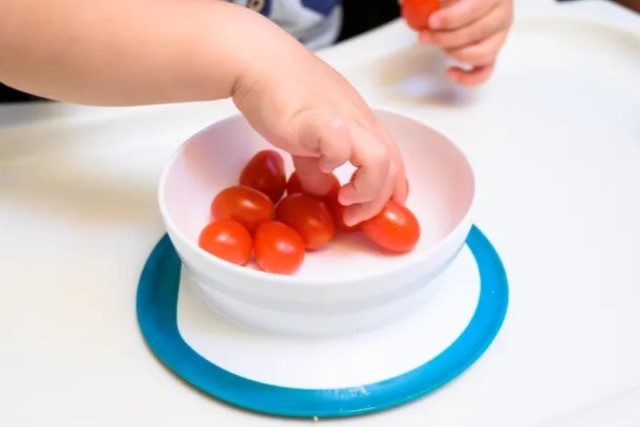
This bowl is made of BPA-free plastic so they are unbreakable. This bowl features a secure suction base that sticks firmly to surfaces, so can prevent accidental tipping to help prevent spills. The curved walls are designed to promote self-feeding skill such as scooping.


2. MARCUS & MARCUS SUCTION BOWL WITH LID
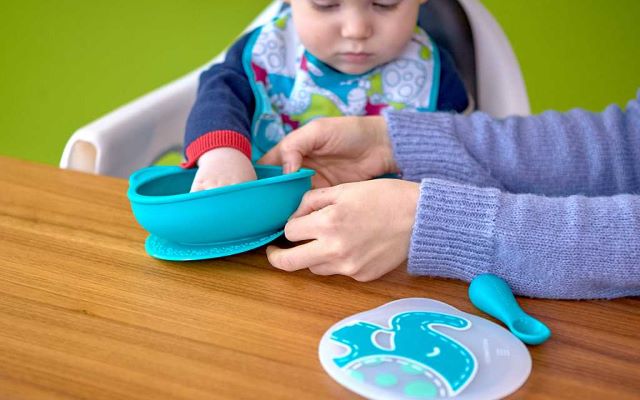
I also purchased some silicone bowls with lids because I’m constantly putting a bowl of half eaten yogurt or rice in the fridge for later.


3. AVANCHY BAMBOO SUCTION BABY BOWL + SPOON

If you’re looking for a bamboo option, which is a safe choice too, this is a great option. It comes with one of my favorite baby spoons and has a silicone suction base, which detaches for easy cleaning.


CUP

You might be surprised to learn that babies can start using an open cup as early as 6 months. All three of these cups are excellent options or teaching babies to drink from an open and/or straw cup during infancy.

1. EZPZ TINY OPEN CUP
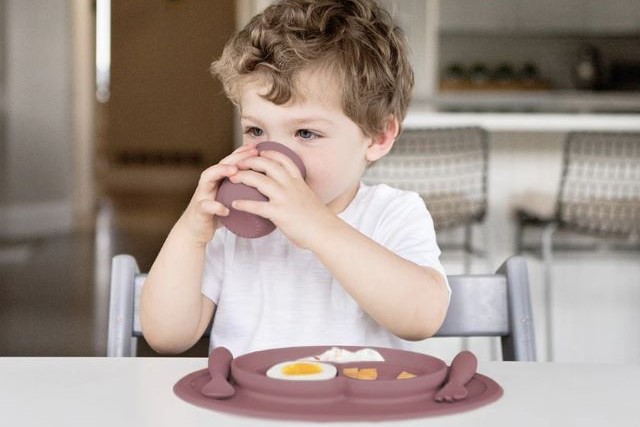
EZPZ Tiny Cup is only 2 oz, perfect for little hands and the angle of the cup helps to control the flow as babies learn to use open cups. Additionally, the weighted base makes it harder to tip over. This tiny cup is made of food grade silicone, so great for teething. This cup doesn’t seal, so it’s not the best for an on-the-go life.

Singapore:You can get 10% off with the code YETING: click here to shop.

Malaysia:You can get 10% off with the code YETINGclick here to shop.


2. EZPZ MINI CUP + STRAW TRAINING SYSTEM
This cup is super versatile as you can also use it as an open cup. It’s 4oz so it would be perfect size for toddlers learning to drink from straws as most straw cups are much larger than this.

Singapore:You can get 10% off with the code YETING: click here to shop.

Malaysia:You can get 10% off with the code YETING: click here to shop.


3. Weighted Straw Cup
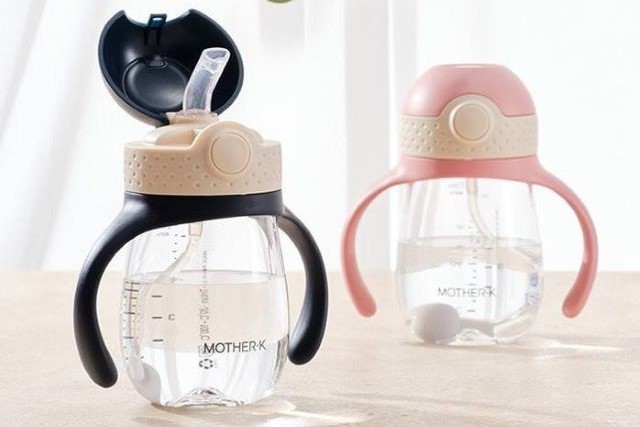
This straw cup is perfect for younger babies learning how to drink out of straw cup. They don’t spill and I love that they have handles. The weight at the bottom can keep the straw pointing down into the liquid which means your baby can drink at almost any angle.

Grosmimi PPSU Weighted Straw Cup & Munchkin Click-Lock Weighted Straw Cup are both of my favourite.


BAPRON BABY
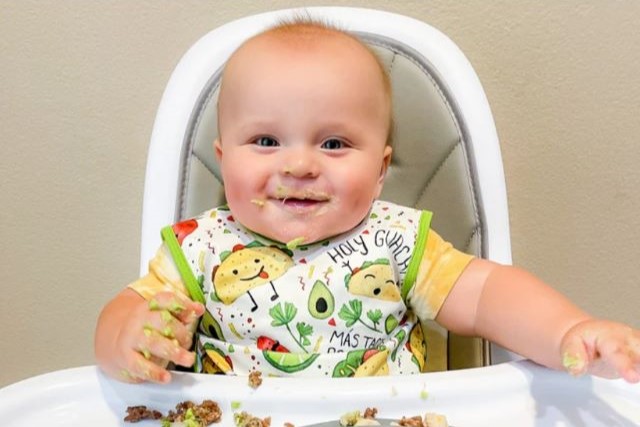
A bib is an ESSENTIAL accessory for any baby or toddler, whether you are doing baby led weaning or not.

I have tried so many different styles and my favorites are definitely the ones that are easiest to clean.

  • Bapron bib is made from a waterproof fabric that is super soft, made from an eco-friendly type of polyester. You can rinse the Bapron bibs in the sink right after meals, dry them on the drainboard and they’re ready to go for the next meal.
  • Sleeveless so they don’t weigh your baby down or restrict their range of motion.
  • If your baby doesn’t tolerate a bib, tie-on ones are harder to yank off than velcro ones. Bapron baby bibs tie in the back under your baby’s shoulder blades – not all up in their neck which can be a negative sensory experience.

Singapore:You can get 10% off with the code YETING: click here to shop.

Malaysia:You can get 10% off with the code YETING: click here to shop.


SPLASH MAT

Eating solids is a dirty business, both spoon-feeding or baby led weaning. A waterproof  mat to go under your baby’s highchair makes for easy cleaning. The Bapron Splash Mats are made from the same amazing fabric as their bibs. You can rinse them under water and dry in between feeding.

These mats are also perfect for indoor/outdoor picnic, crafts and sensory play, if you’re out and about and they fold down so small you can easily transport them in your diaper bag.

Singapore:You can get 10% off with the code YETING: click here to shop.


TOOTH BRUSH
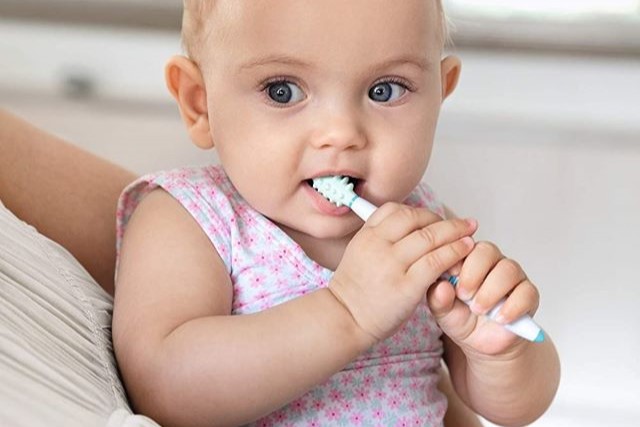
The Nuk™ Brush is a toothbrush-like teether with a nubby textured silicone “brush” at the end. Perfect shape and size for little mouthes. Initially, this brush was designed for teething infants, it has made its way into therapeutic settings as an invaluable tool for oral massage, oral stimulation and sensory exploration. So it is usually used in speech therapy and feeding therapy to help with oral motor skills and to de-sensitize the gag reflex.

The Nuk™ Brush can be perfect tool if you have a child who is struggling with certain food textures or gagging and spitting the food up.


BOOKS

Children deserve to learn about good nutrition and develop positive attitudes about eating. These 3 books that teach nutrition are perfect to get you started!

1. LULU’S LUNCH BY CAMILA REID & AILIE BUSBY
 

2. EATING THE ALPHABET BY LOIS EHLERT
 

3. THE VERY HUNGRY CATERPILLAR BY ERIC CARLE
TODDLER FEEDING GIFT ESSENTIALS

1. EZPZ MINI FEEDING SET

If your baby is ready to move to the table (without a tray), a suction plate can be helpful. They are also great to bring to restaurants or in-laws for your baby to eat off of. Also, if your baby or toddler does not like his food to touch, this divided plate is a perfect choice. The built-in separators help keep the servings small and make it easier for parents to offer a variety of foods like puree and finger foods each meal. This set consists of 1 EZPZ Mini Mat, 1 Mini Spoon and 1 Mini Fork.

Singapore:You can get 10% off with the code YETING: click here to shop.

Malaysia:You can get 10% off with the code YETINGclick here to shop.


2. UTENSIL SET

This OXO TOT Fork & Spoon Set is easy for young eaters to learn self-feeding. A flat spot on the handles prevents the fork and spoon from rolling off the table or high chair tray, and the soft grips are shaped to keep them from sliding into bowls or plates. The depth of the spoon is ideal for scooping up food. The stainless steel body is extremely durable.


3. LEARNING CHOPSTICKS
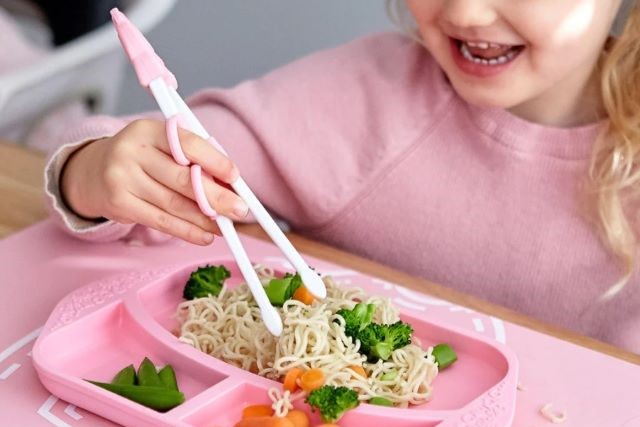
Marcus & Marcus Learning Chopsticks is one design that fits both right-handed and left-handed toddlers. They are so easy to use and toddlers can learn using the chopsticks in a day! The rings support them to hold onto the chopsticks and they can be adjusted to a comfortable angle for perfect fitting on each individual hand.


4. SNACK CUP
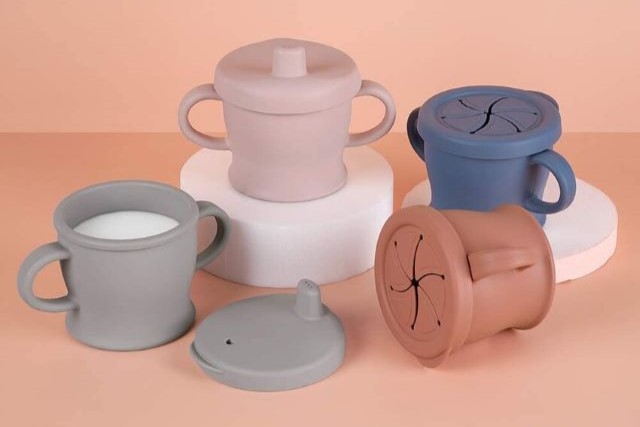
This is perfect for on-the-go snack and great for keeping snacks from spilling, such as cereal.

Malaysia:You can get 10% off with the code YETINGclick here to shop.


5. LUNCH BOX

Choosing a lunch box can be overwhelming as there are many different varieties, styles and sizes of lunch boxes to choose from, not to mention different materials. We all want to pick a non-toxic lunch box that won’t harm our children, while also making sure it’s easy to clean!

To narrow down your list, here are the things that I believe we should look out for:

  1. BPA-Free – The lunch box should be safe to store food inside.
  2. Stay Fresh – A box that will seal and keep an unwrapped item fresh.
  3. Easy to Clean – I prefer one lid for the lunch box, easy to clean and store when drying.
  4. Sections – Separate spaces to place different foods.
  5. Size – It’s not too big to fit into the child’s school bag, or take up most of the space.
  6. Perfect Portions – Sections that are big enough for the amount of food the child will eat.
  7. Reusable – Save the environment and your pocket, don’t use plastic zip lock bags.
  8. Dishwasher safe – For those days I don’t have time to hand wash.
  9. Easy to store – not too bulky to store when not in use.
  10. Machine Washable – lunch bags can easily be washed in the washing machine.

I personally prefer lunch boxes that seal tight and keep an unwrapped food fresh, eliminating the use of plastic wrap or sandwich bag which saves money and the environment. Also, most children prefer to graze on a variety of foods as opposed to just a sandwich and piece of fruit and so the bento style boxes and accessories are very clever at making the food fun and exciting.
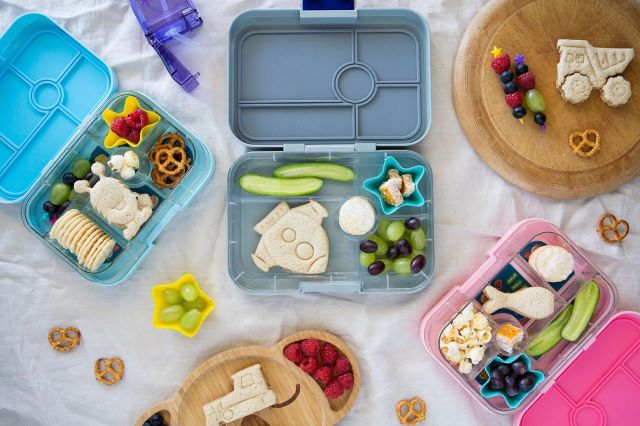
My son has been using YumBox since he was threeIt is designed for easy to open, and 100% leak proof – perfect for on-the-go or school lunch or snack!

Another favourite lunch box is from local Malasyia’s brand Wild Mums Enterprise.

Malaysia: Check out Wild Mums Enterprise for Mumu M3: 3-Compartments Detachable Lunch Box and Mumu M3: 3-Compartments Lunch Box.

6. SENSORY FUN FOOD PLAY GUIDE
If you think your child can benefit from Sensory Food Play to help with their eating, check out Sensory Fun Food Play E-book. It has over 100 activities I created with a focus on picky eaters. Join me for lots of fun sensory food play.


7. BOOKS FOR PICKY EATERS 

Looking for a great book to help your picky eater? One of the ways you can help your picky eater as a parent is to talk about food at times other than mealtime when things are a bit more mellow and no one is furstrated or hangry. Check out some of my favorite books for picky eaters that help teach confidence, get them excited about trying new foods.

1. I WILL NEVER NOT EVER EAT A TOMATO BY LAUREN CHILD
 

2. DAISY EAT YOUR PEAS BY KES GRAY
 

3. BURGER BOY BY ALAN DURANT
MY FAVORITE GIFT FOR NEW PARENTS 

1. PEACEFUL MEALTIMES ONLINE COURSE
Feeding is one of those milestones that gives parents a lot of stress. That’s why I offer my online course as gifts! I designed this online course to help parents go from feeling overwhelmed and nervous about picky eating and meeting nutrient needs, to feeling confident, calm, and knowledgeable about their children eating independently. BUY THE COURSE AS GIFT NOW.


2. FIRST AID & CPR COURSE

Although choking is a very rare risk it is also a very real risk. Knowing basic CPR skills can save your baby’s life and I suggest that everyone (partner, husband, mother-in-law, babysitter…) who helps or is going to help feed your baby should know CPR.

My go-to 2 days First Aid & CPR Training course from @YS First Aid is on now open for register!

If you want to focus on Infant/Child CPR, Choking and Injury Prevention Course, you can check out  @Little Beh’s 急救课.

YS First Aid: ysfirstaid6@gmail.com, 019-689-3413

Little Beh’s 急救课: jbmacademyplt@gmail.com, 016-206-8643


3. CERAMIC COOKWARE
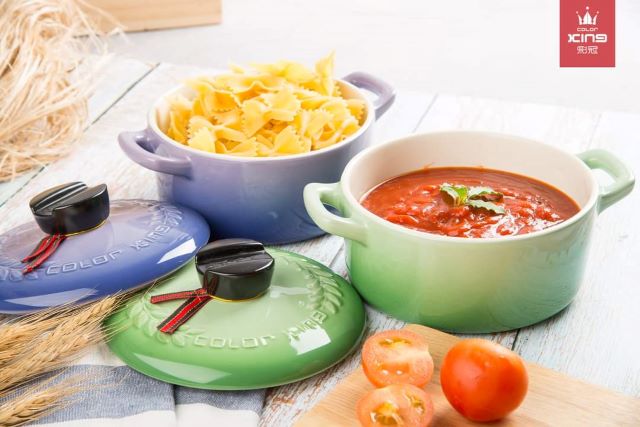
Color King 100% Ceramic Cookware (Non-Toxic , No PTFE, No PFOA) is one of the best investments you can make. It will drastically improve your cooking experience and make your meals taste better. It performs well in a range of temperatures from -20°C to 400°C. It works great on gas and electric stoves as well as with ovens. Also, it has excellent heat retention that can preserve the flavor and nutrients of your dishes.

Check out their Facebook Page or contact their customer service representatives for any questions you have at 018-277-7802. 


4. CRINKLE CUTTER
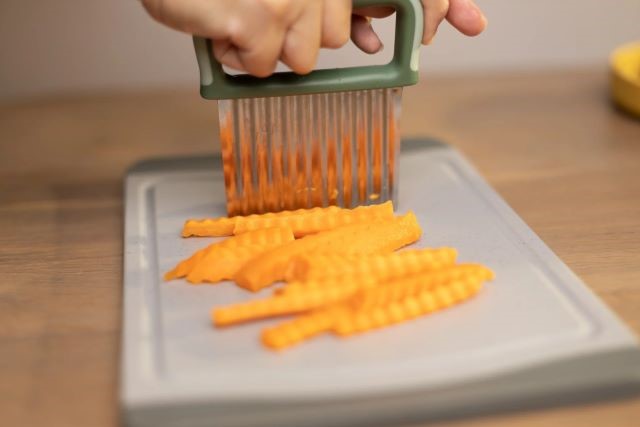
This is another tool that I am getting lots of questions about. Some people call it a crinkle cutter because it makes fun grooves on the food.

If you are doing baby led weaning, it doubled as a finger food cutter, because the grooves it makes on food make it easier for small hands to grab and hold it, especially if it is slippery. Some examples of finger foods I created using this crinkle cutter: mango, avocado, kiwi, pineapple, very ripe pear, steamed carrots and apples sticks and slices.

Singapore: You can get 10% off  YAY Crinkies with the code YETING: click here to shop.


5. SPIRALIZER
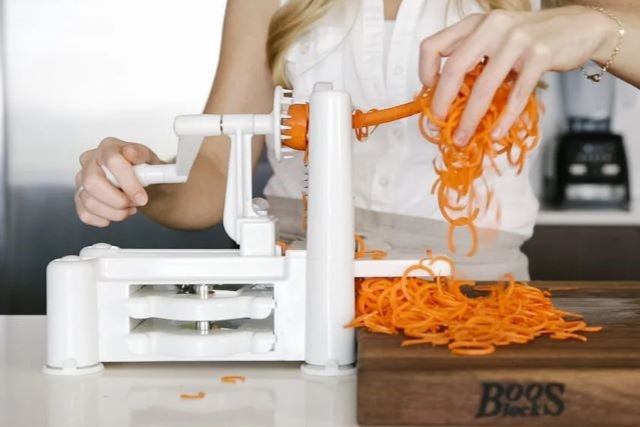
My son love helping me spiralize fruit and veggies into fun shapes and it saves a lot of time spent chopping and slicing. We spiralize raw fruit just for fun and to use in salads and roast spiraled root veggies like sweet potato and beets. Raw spiraled zucchini, carrots, and jicama work great in salads.

Malaysia: Check out the Spiralizer here


6. MINI COOKIE & VEGETABLE CUTTER

These little tools are my hard-working kitchen helpers. From cookies to veggies and from fruit to sandwiches, they cut everything into super cute shapes that my children love. This newer option comes with silicone holders which makes them even more child-friendly.


7. LUCKY IRON FISH
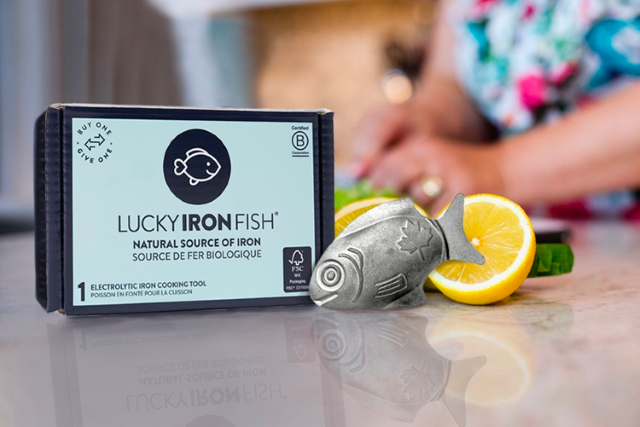
The Lucky Iron Fish is a simple and effective cooking tool that is designed to add natural iron to any liquid-based meals. It’s easy: simply drop Lucky Iron Fish into boiling water or liquid-based meals for 10 minutes to release a portion of your daily recommended iron. Great for postpartum moms who are struggling with iron deficiency anemia.


8. POPSICLE MOLD
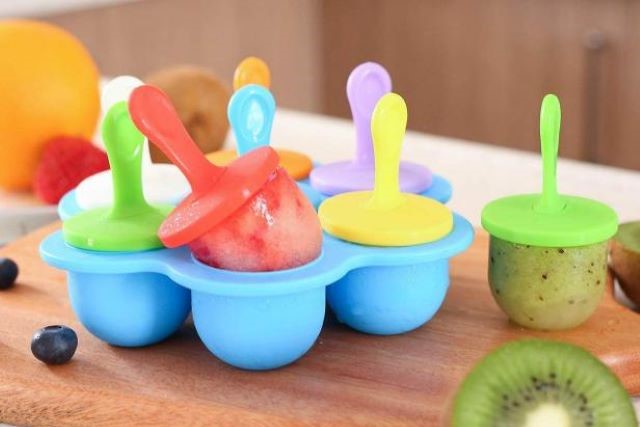
This popsicle mold puts a fun and creative way to eat a nutritious snack. You can freeze pretty much anything in them, from breastmilk to smoothies. I always use the molds to freeze the leftovers smoothie. No waste and a yummy snack always on hand.


9. BOOKS FOR NEW PARENTS

Are you looking for books and resources on nutrition, feeding children, picky eating and baby led weaning?  I wanted to share my favourite child health and nutrition books with you.

1. Child of Mine by Ellyn Satter
The Gold Standard reference for building trust in feeding children and establishing positive feeding, using the Division of Responsibility. A must-read for all new parents.


2. Helping Your Child with Extreme Picky Eating: A Step-by-Step Guide for Overcoming Selective Eating, Food Aversion and Feeding Disorders by Katja Rowell and Jenny McGlothlin
Family doctor specializing in childhood feeding, Katja Rowell, joins forces with speech pathologist, Jenny McGlothlin, to help support children with food aversion and end meal-time anxiety (for your child and you) once and for all.


3. Baby-Led Weaning: The Essential Guide―How to Introduce Solid Foods and Help Your Baby to Grow Up a Happy and Confident Eater by Gill Rapley Ph.D. and Tracey Murkett
Still not sure if BLW is for you? Let Gill Rapley, the generally acknowledged pioneer of baby-led weaning, walk you through this approach.

If you want to understand the history and theory behind baby-led weaning, this could be the one for you. The book goes into the essentials and basic principles of why the method works. It also explains in detail the benefits your little one can get by following baby-led weaning.

The book uses an easy and clear tone. Its claims are backed with science-based facts. The topics are clearly divided, so you can skip forward or just choose a topic you like.

The updated edition includes the latest research on allergy prevention and safety. This thick, big book can be a good reference or a go-to book for your BLW questions.


10. COOKBOOKS FOR BUSY PARENTS 

Whether you have a new eater, picky eater or extremely picky eater, there are steps you can take to make trying new food fun, enjoyable and pressure-free. I have some cookbooks to keep you excited about planning your baby’s weaning meals.

1. The Baby-Led Weaning Cookbook: Delicious Recipes that’ll Help Your Baby Learn to Eat Solid Foods―and That the Whole Family Will Enjoy by Gill Rapley PhD, Tracey Murkett
Gill Rapley’s Baby-Led Weaning Cookbook is more than just a cookbook. Before getting to the recipes, you will also be given a comprehensive guide on baby-led weaning.

It’s like a summary of Rapley’s Essential Guide to remind you what to consider while preparing meals. The book details the importance of baby nutrition and safety.

Recipes are made not just for the baby but also for the rest of the family. The book provides a huge range of recipe ideas. It offers simple meals and healthy and nutritious store-cupboard meals to new recipes.

With more than 130 recipes, there’s always something for everyone. Even your family’s picky eaters can find something they might enjoy. This big book has plenty of meal plans from baby snacks, healthy sweets, and filling meals for the family.

There are stories and messages from parents who practice baby-led weaning to keep readers inspired. There are also easy-to-follow tips on minimizing the mess during the baby’s feeding time.


2. Recipes to Boost Immunity / Pre-Pregnancy Meal Plans

Two cookbooks with over 100 recipes which are family-friendly to ensure nutritious meals for all.
 

HAPPY SHOPPING!

That’s all for my 2023 gift guide! All of these products are great for baby led weaning and into toddlerhood. Truly an ultimate guide for Holiday or Birthday shopping for your baby, toddler, and any new parents in your life.
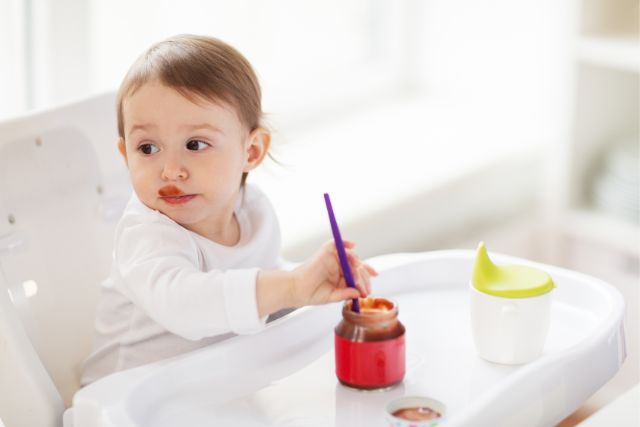
Disclaimer: Please note that all opinions are my own and I was not paid to promote any of these products. The post contains affiliate links that allow me to receive a small commission to help run this blog. Thank you for your support and understanding!