why-shouldnt-babies-eat-honey-photo

Why Shouldn’t Babies Eat Honey?

Both the American Academy of Pediatrics (news) and the World Health Organization (WHO) strongly advise that honey should not be given to infants younger than 12 months of age. This recommendation applies to all types of honey — raw, unpasteurized, local, store-bought, and even foods or baked goods made with honey.

The concern is not about sugar or sweetness, but about safety.


WHY IS HONEY UNSAFE FOR BABIES?

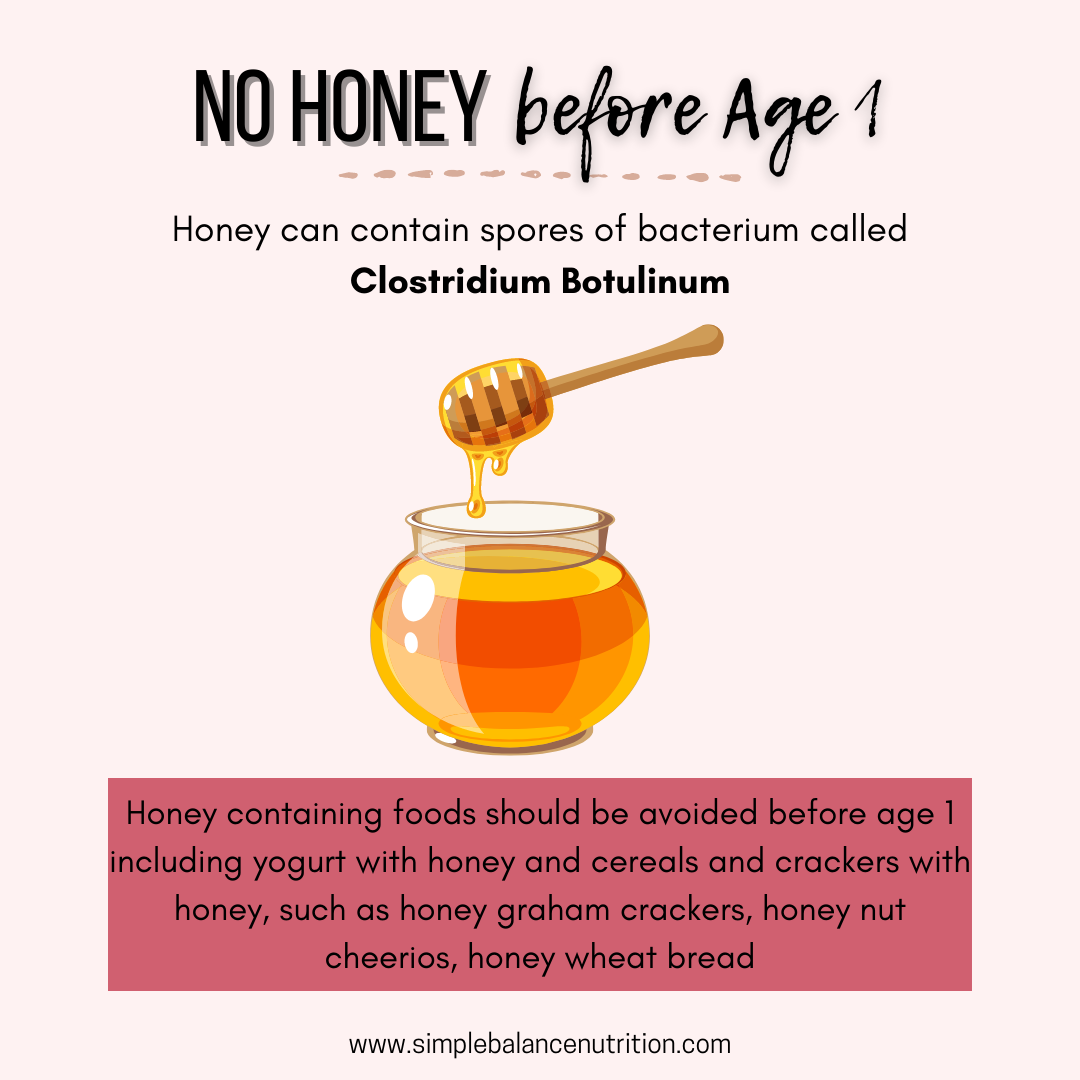
Honey can contain spores of a bacterium called Clostridium botulinum. While harmless to older children and adults, these spores can germinate in a baby’s immature digestive system. Once established, they produce a dangerous toxin that leads to infant botulism — a rare but potentially life-threatening illness.

Honey should never be given to a child under the age of 12 months old.


SIGNS AND SYMPTOMS OF INFANT WITH BOTULISM 

Symptoms typically appear within 12-36 hours after consuming contaminated food, but may occur within a few hours or up to 10 days.

  • Muscle weakness or floppiness
  • Flat facial expression 
  • Reduced movement 
  • Poor feeding or weak sucking
  • Weak or unusual cry
  • Constipation 

These signs result from muscle paralysis caused by the toxin. If you notice these symptoms, seek emergency medical care immediately. Bring along any suspected food samples for testing.


IS HONEY SAFE FOR TODDLERS, OLDER CHILDREN AND ADULTS? 

YES. For children over 12 months and adults, honey is considered safe. By this age, the gut microbiome is more mature, and natural stomach acids prevent spores from producing toxins.


WHAT ABOUT FOODS CONTAINING HONEY?

Parents are often surprised to learn that honey in baked goods, cereals, crackers, or yogurt is still unsafe for babies under 1 year old. Normal cooking and baking temperatures DO NOT destroy Clostridium botulinum spores.

That means products like:

  • Honey graham crackers
  • Honey nut cereals
  • Honey wheat bread
  • Yogurt sweetened with honey

are not suitable for infants younger than 12 months.

Honey is unsafe in any form under one.


BOTTOM LINE

Honey may seem like a natural and wholesome food, but it is unsafe for babies under 1 year of age in any form. Once your child turns 12 months, you can safely introduce honey in moderation as part of a balanced diet.

Remember: honey is still a source of sugar, so use it sparingly even for toddlers and older children. Always check food labels carefully, as honey is often used as a natural sweetener in packaged foods.

Struggling with introducing solids or worried about your baby’s nutrition? Baby’s First Bites online course gives you step-by-step support to help your little one explore food safely and confidently.

Update: August 25, 2025
understanding-lactose-intolerance-photo

Understanding Lactose Intolerance

WHAT IS LACTOSE? 

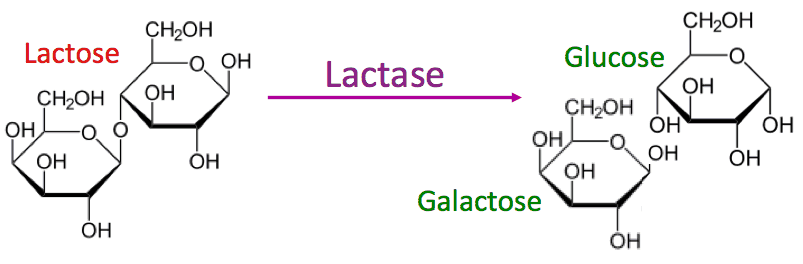
Lactose is a naturally occurring sugar found in milk and other dairy products (yogurt, cheese and ice cream). When you consume food or drinks containing lactose, an enzyme named lactase in the small bowel will break down lactose into two simple sugars: glucose and galactose. These nutrients are then absorbed in the small intestine.

Image source: http://www.evo-ed.org/Pages/Lactase/cellbio.html

WHAT IS LACTOSE INTOLERANCE? 

However, some people might produce less lactase than the others. If the small bowel has insufficient lactase, the lactose consumed will not be digested properly and will continue through to the large bowel. Lactose in the large bowel will be fermented by the gut bacteria, which produces gases including hydrogen, carbon dioxide and methane. This gas production not only can lead to unpleasant gastro-intestinal symptoms such as distention, bloating, flatulence and constipation but can also draw water into the large bowel resulting in loose stools or diarrhea.

Some people may have a temporary lactose intolerance due to  viral infection like the stomach bug, while others can experience it when they have a digestive disorder like celiac disease. Still others may experience lactose intolerance their entire lives.

SYMPTOMS  

  • bloating
  • abdominal pain due to gas
  • tummy cramps
  • nausea
  • loose stool or diarrhea

If you are lactose intolerant, the symptoms may vary and are dose-dependent. That is, the more lactose you consume, the worse the symptoms become. Symptoms may occur immediately after drinking milk or eating dairy products, or they may be delayed for hours.

Lactose intolerance is NOT an allergy to milk. 

DIAGNOSIS 

To diagnose lactose intolerance, the hydrogen breath test is a simple, non-invasive and reliable investigation test. Lactose intolerance is indicated when hydrogen and methane levels of breath meet a certain criteria following the oral consumption of standard dose of lactose.

Another simple way to diagnose lactose intolerance is an elimination diet which involves removing lactose in the diet and assessing whether symptoms improve, followed by a re-introduction of lactose in the diet to assess whether symptoms return.

WHAT FOODS CONTAIN LACTOSE? 

Read the ingredient list on product labels to find out if the product contains a lactose-cotaining food. Food items to look out for include: milk, milk solids, malted milk, buttermilk, curds, cheese flavours, non-fat milk powder, non-fat milk solids, sweet or sour cream, lactose, whey and yogurt.

Note: 1) the cultures in yogurt help to digest lactose 2)Products that contain lactic acid, lactalbumin, lactate and casein do not contain lactose. 

IF YOU ARE LACTOSE INTOLERANT, SHOULD ALL DAIRY PRODUCTS BE AVOIDED? 

Yes, you will need to modify the diet in order to alleviate the discomfort and symptoms at the beginning. The first step is to remove all sources of lactose in the diet that can cause problematic symptoms, including milk and dairy products.

The second step is to find nutritious substitutions for those items you’re removing:

Note: 1)”Lactose free” means that there is no detectable lactose in the food. 2)”Lactose-reduced” means that at least 25% of the lactose in the product has been removed.

Recent research has suggested that most people with lactose intolerance can consume up to 12 to 15g of lactose without any symptoms. You can still tolerate some foods that contain lactose like yogurt or cheese, even if you are lactose intolerant.

OTHER TIPS ABOUT INCLUDING LACTOSE IN YOU AND YOUR CHILD’S DIET: 

  • Drink milk in smaller quantities. Most people with lactose intolerance can tolerate 1/2 cup milk at a time.
  • Eat small amounts of lactose-containing foods spaced throughout the day.
  • Eat with other solid foods may delay digestion, offering more time for the lactase enzyme to break down lactose.
  • Yogurt may also be tolerated (plain better than flavoured), because the live bacteria in the yogurt partially digests the lactose before consumption. Yogurt is also a semisolid, which moves slowly through the digestive tract.
  • Aged cheese tend to have lower lactose content.
  • Try lactase enzyme drops or tablets from the pharmacy. Tablets are taken before eating foods that have lactose. Enzyme drops can be added to milk before drinking.
  • Soy products do not contain any lactose and can be a suitable substitute for dairy products, providing they have calcium added.

Do you have a child with lactose intolerance? How are you managing? Did you know that I provide one-on-one nutrition counselling service for children and families? If you are diagnosed with lactose intolerance, I can help to ensure you are not missing out on important nutrients such as Calcium. This is particularly important for children. If this is something you’d like to learn more about, check out here

milk-matters-for-children-when-what-and-how-much-photo

Milk Matters for Children: When, What and How Much?

Milk is a hot topic in parent’s group. When, how much and what type/kind of milk to choose? Due to more and more organic stores in the market, the confusing messages and nutrition myths, more parents are turning to milk alternatives (plant-based beverages) to fulfil their little one’s milk needs.

Unfortunately, the plant-based beverages (fortified or non-fortified) don’t provide enough nutrition. (here)

Your children are growing right before your eyes! Children more than double their height and weight between the ages of 2 and 12. During this time, a base is built for a body that will last them a lifetime.

Milk provides the building blocks children need – 16 essential nutrients, plus energy for fuel to grow. (here

WHAT YOU NEED TO KNOW ABOUT YOUR MILK CHOICES 

Children under 12 months of age should have breast milk or formula for their main drinks.

Milk is key not only for energy as well as tissue growth, but also for building strong bones and teeth and regulating muscle control.

It is safe to introduce cow’s milk between the ages of 9-12 months of age, however, I recommend waiting until 12 months. There are a few reasons why you should think twice about introducing fresh milk too early.

  1. The proteins present in fresh milk are hard for babies to tolerate and digest. (WHO, 2009)
  2. Milk contains too much sodium, potassium and chloride which can tax your baby’s kidney. (WHO, 2009)
  3. Milk is lack of important vitamins and minerals such as iron, Vitamin E and Zinc.
  4. Higher risk for iron deficiency anemia and if your baby drinks too much cow’s milk, he or she is also at a risk for internal bleeding.

That being said, once your baby reaches about 12 months, his/her digestive tract is mature enough to handle milk and reap the many nutrition benefits from it. It’s a nutrition powerhouse full of protein, carbohydrates, Calcium, Vitamin D and Vitamin A.

When they turn one, I encourage moms to continue breastfeeding if they are already, even with the introduction of cow’s milk. If your baby is on formula, you can slowly transition to homogenized cow’s milk (assuming your baby does not have  a milk allergy) at one year. Don’t rush, because your baby’s digestive system needs time to adapt to the new proteins and other nutrients present in fluid milk. Start with 1-2 tbsp a day and slowly increase this amount until fully transitioned. Again, you can continue breastfeed as long as possible.

Recommendations:

1-2 years old: 2-3 cups (16-24 oz) of milk per day.

2-8 years old: 2 cups (16 oz) of milk per day.

(Lower-fat milk or fortified plant-based beverages can be offered).

9-18 years old: at least 2 cups (16 oz) of milk per day.

P/S: If your baby is still breastfeeding, he/she may not need as much.

PLANT-BASED BEVERAGES 

Plant-based beverages are made from plant foods such as soy, rice, almond, coconut, oat, potato and hemp. They look like milk and are often called “milks” but may not have the same nutrition as cow’s milk.

Plant-based beverages are often lower in protein and energy than cow’s milk. They may also be lower in important nutrient like Calcium and Vitamin D, especially if homemade. Also, these milks often do not contain enough calories, protein or fat for a growing toddler. Some plant-based beverages can also be high in certain minerals that can be harmful if a child drink too much.

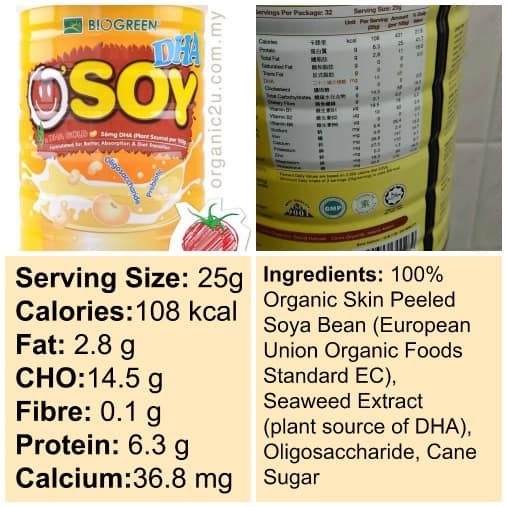
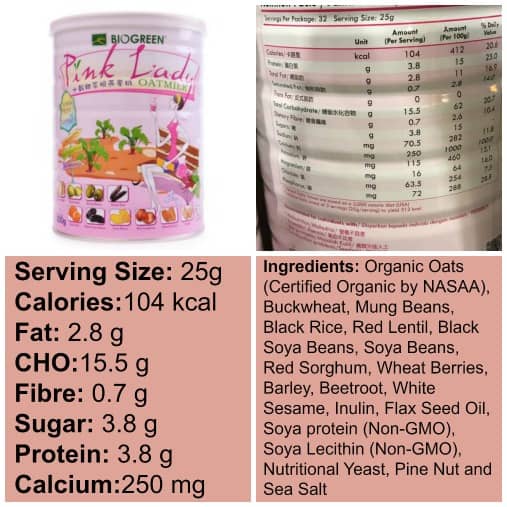
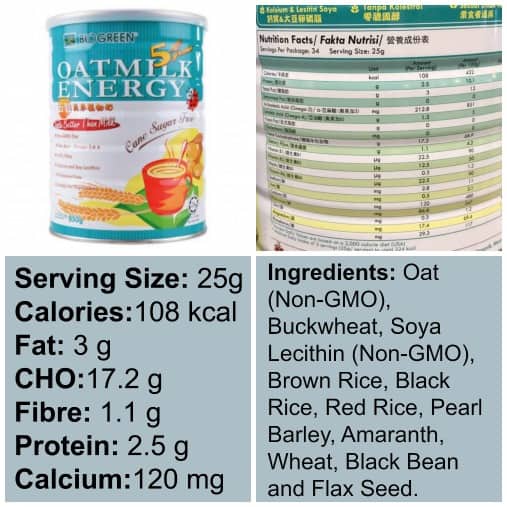
Added sugar: Oligosaccharide and cane sugar
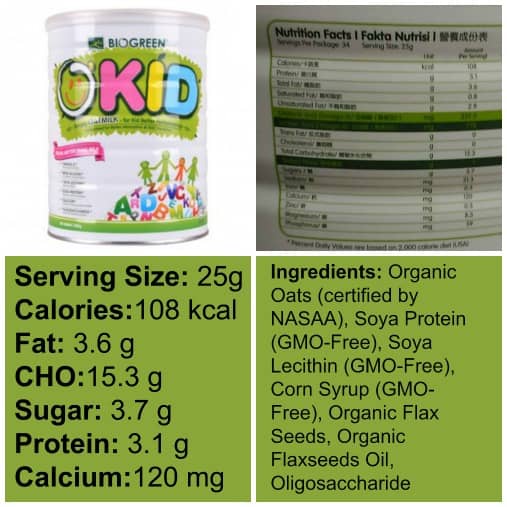
Added sugar: Oligosaccharide
1 servings of Pink Lady drink contains 70.5 mg of sodium and 3.8 g (approx. 1 tsp) of sugar.
High CHO content.

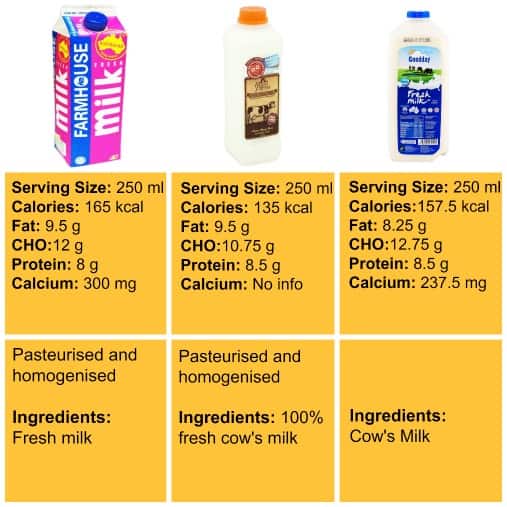
Read the Nutrition Facts table on each beverage package. Some beverages are fortified (have nutrients added) and some aren’t. The nutrients in plant-based beverages can vary.

CHOOSE A PLANT-BASED BEVERAGES FOR YOUR 2 YEARS OLD 

Plant-based beverages are not recommended for children under age 2 because they can be low in important nutrients like fat, protein and calories. If offering a plant-based beverage instead of cow’s milk to a child age 2 and older, choose a product that:

  • is labelled as fortified or enriched (example: fortified with Calcium or Vitamin D) Most milks in Malaysia don’t fortified with Calcium or Vitamin D. 
  • provides at least 6 g of protein per 1 cup (250mL)
  • provides at least 30% Daily Value of Calcium and Vitamin D per 1 cup (250 mL)
  • contain less than 10 g of sugar per 1 cup (250mL)

Since plant-based beverages are generally low in protein, children 2 years of age and older who are drinking a plant-based beverages as their main milk sources should be offered a variety of lean meats, poultry, fish, beans and lentils, eggs, tofu and nuts to ensure adequate intake of protein.

What types of milk are appropriate for a child under 2 years of age who is allergic to cow/goat’s milk or lactose intolerance

If your child is allergic to milk or lactose intolerant, you may want to consider keeping him/her on formula or a follow-up formula until the age of 2 to ensure proper nutrition. There are soy varieties or hydrolyzed protein/hypoallergenic varieties out there for babies with allergies or intolerances. You should offer the same quantity as you would cow’s milk. Check with your child’s doctor or a dietitian.

In Malaysia, there are 3 main companies providing infant formula – Nestle, Abbott, MeadJohnson.

Do you have a child who has milk allergy or lactose intolerance? You not sure what type/kind of milk to choose for your toddler? Contact Me about starting a nutritional counselling program.

can-give-finger-foods-baby-doesnt-teeth-yet-photo

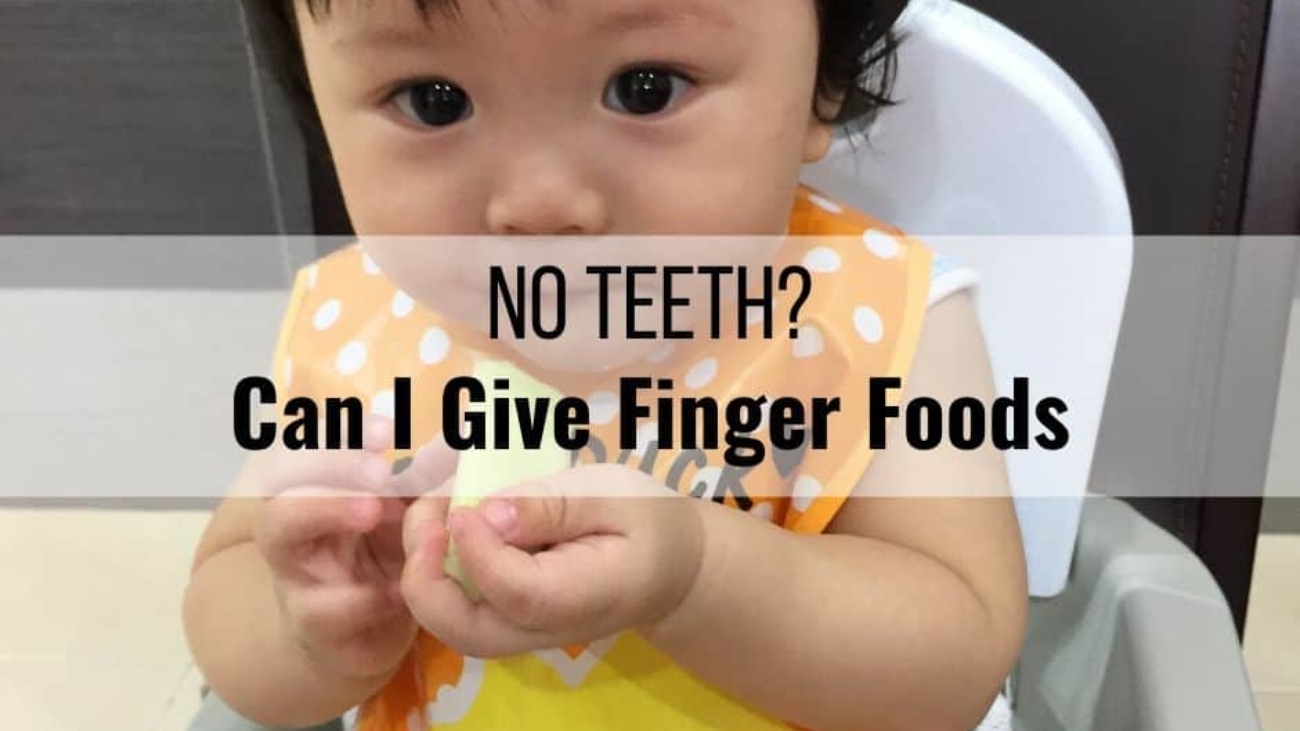
Can I Give Finger Foods If My Baby Doesn’t Have Teeth Yet?

One of the biggest changes in infant feeding over the last decade is how we think about textures. Gone are the days when spoon-fed purées were the only way to start solids. Current infant feeding guidelines recommend introducing a variety of textures within the first few months of starting solids including soft finger foods.

As a dietitian, I’m often asked this question:

“My baby doesn’t have any teeth yet. Can I still offer finger foods?”

ANSWER: YES !!!

BABIES CHEW WITH THEIR GUMS

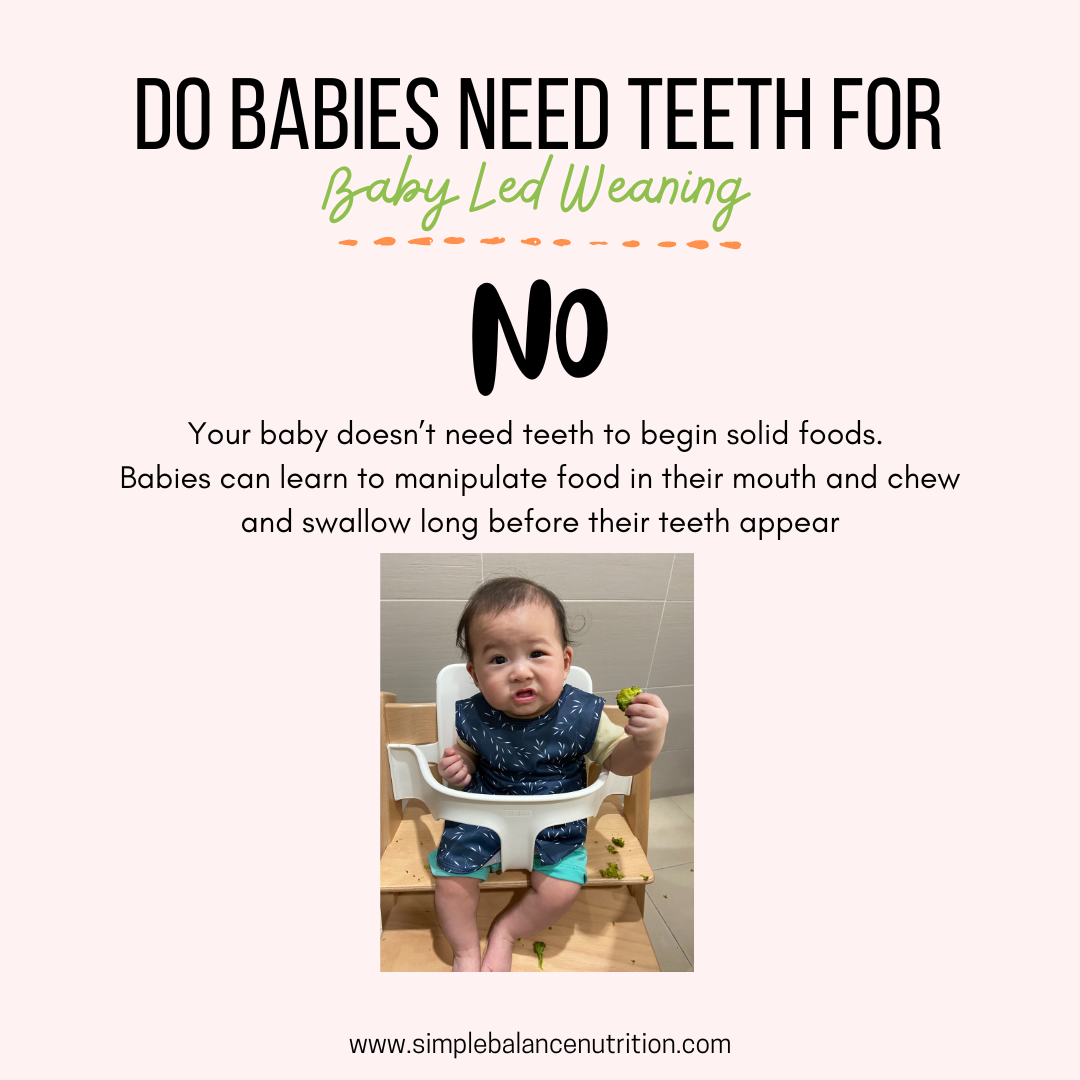
Many babies start solids around 6 months and at this age, most don’t have teeth (or may only have a few by 12 months). That’s okay! Babies use their gums and tongue to mash and manipulate food.

WHY SOFT FINGER FOODS 

Soft finger foods are perfectly safe as long as they are prepared in the right size and texture. Introducing finger foods early, soon after starting solids, helps babies practice chewing skills (even without teeth), supports hand-eye coordination and self-feeding. Also, it can reduce the risk of picky eating later by exposing them to a variety of textures. Last, it encourages participation in family meals from the start.


SIGNS YOUR BABY IS READY FOR FINGER FOODS

Most babies are ready for soft finger foods between 6-7 months, some babies start right at 6 months. Many won’t have teeth (or very many teeth) by this age. Look for these development signs:

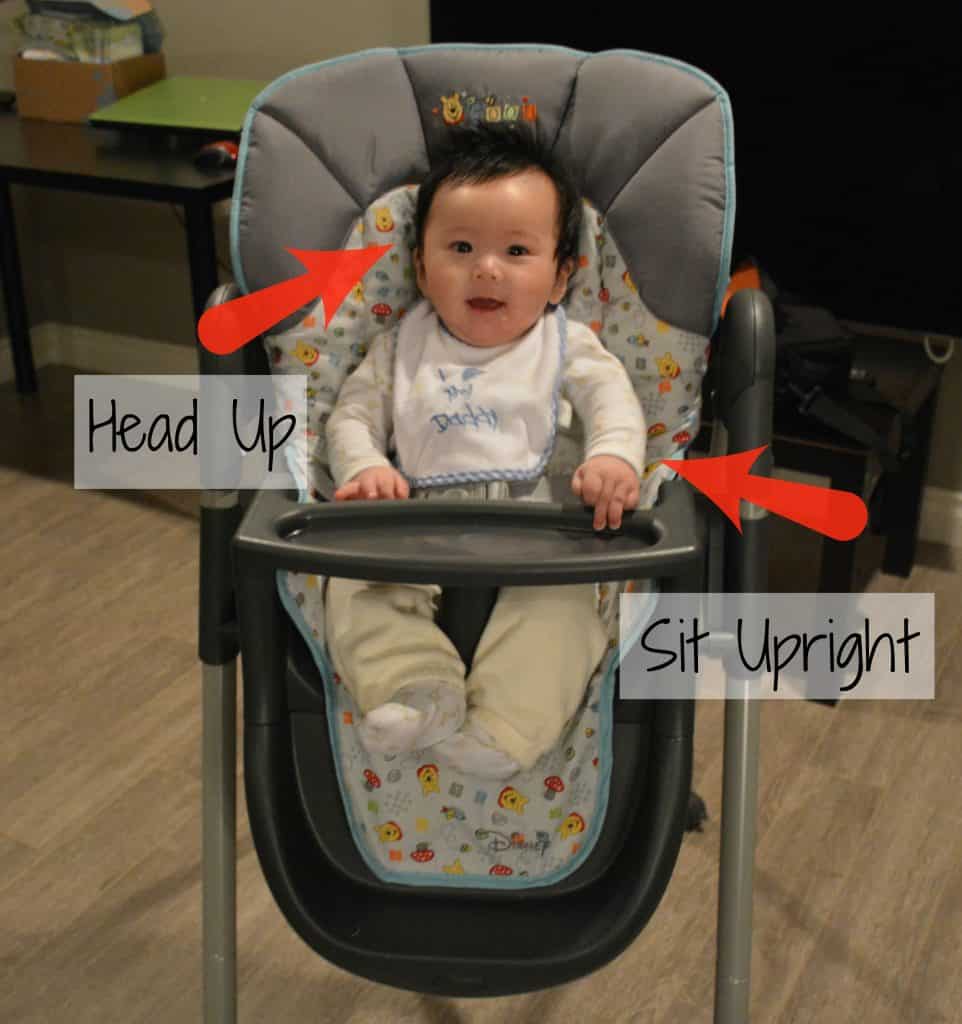
  • Can sit upright with little or no support.
  • Has good head and neck control.
  • Show interest in food, watching people eat and reaching for food.
  • Lost the tongue-thrust reflex (food doesn’t just push straight back out).
  • Can grasp small objects or food and bring it to their mouth.


SAFE FINGER FOOD IDEAS FOR BABIES 

When starting with finger foods, choose foods that are soft, easy to mash with gums, and cut into baby-safe sizes. Aim to include a balance from all four food groups.

Vegetables (soft cooked) and Fruits (ripe)

  • Steamed or roasted carrot sticks, broccoli florets, zucchini, pumpkin, or sweet potato wedges.
  • Ripe, peeled fruit slices: pears, peach, mango, papaya, avocado, banana, melon, kiwi.
  • Apple slices (steamed or baked until soft).
  • Grapes and blueberries: always cut into quarters to reduce choking risk.

Grain & Starches 

  • Strips or whole wheat toast or tortilla.
  • Small pieces of roti or chapati.
  • Well-cooked pasta (penne or fusilli)
  • Rice balls (sticky rice or mixed with mashed vegetables).
  • Oat-based foods such as pancakes or oatmeal fingers.

Dairy

  • Soft cheese strips (mozzarella, mild cheddar).
  • Full-fat, plain yogurt (serve in a bowl or allow baby to self-feed with a preloaded spoon).
  • Cottage cheese or ricotta (pre-loaded spoon).

Proteins (soft and well-cooked)

  • Shredded chicken, turkey, or slow-cooked beef/lamb.
  • Flaked fish (deboned, low-mercury options like salmon or sardines).
  • Omelet strips, scrambled eggs, or hard-boiled egg wedges.
  • Soft tofu or tempeh cubes.
  • Mashed beans or lentils (or shape into soft patties).
  • Thin spread of smooth nut or seed butter on toast.

Mealtimes will be messy and slow at first. This is part of learning how to eat.


FOODS TO AVOID 

Certain foods pose choking or safety risks and should be avoided:

  • Whole nuts or seeds
  • Raisins and other dried fruit
  • Popcorn, hard crackers, or raw hard vegetables (like raw carrot)
  • Hard candies, jellybeans, gum
  • Sticky foods such as large spoonfuls or nut butter

No HONEY during baby’s first year. Honey may cause infant botulism, a type of food poisoning, that could make your baby sick.


WHY TEXTURE PROGRESSION MATTERS 

Research shows that delaying textured foods beyond 9–10 months can increase the risk of feeding difficulties and picky eating later. Offering finger foods early helps babies develop chewing skills, tolerance to textures, and confidence with self-feeding.

A recent review highlights that both spoon-fed purées and BLW approaches can be appropriate but all babies benefit from early exposure to a variety of safe textures.


BOTTOM LINE

You don’t need to wait for teeth before offering finger foods. Babies are capable of mashing soft foods with their gums and learning the skills they’ll need for eating a wide variety of foods.

Start around 6 months, follow your baby’s readiness cues, and offer a variety of safe textures from purées to finger foods. Messy mealtimes, gagging, and experimenting are all part of the learning process.

Finger foods are not only safe, they’re an essential part of helping your baby grow into a confident, adventurous eater.

Looking for more tips to make Baby-Led Weaning simple and successful? Join our online course, Baby’s First Bites, and discover practical strategies, recipes, and guidance to help your baby enjoy mealtimes.


Update: August 25, 2025
How to Start Solid Foods

How to Start Solid Foods

Last blog we discussed When to Introduce Your Baby Solid Foods. It is important to wait until healthy babies are at least 6 months old before starting solid foods to maximize exclusive breastfeeding and ensure their digestive systems are mature enough to handle solid foods.


START FROM HOW 

Today, let’s talk about HOW to introduce solids. Get your camera ready, you’ll want to capture those funny faces your baby makes. Here are some tips to help make the transition to solids easier:

1. Choose a Good Mood

Introduce new foods when your baby is alert, relaxed and happy. Offering food after breastfeeding (waiting 60-90 minutes) or after a nap can increase the chance that your baby will try a new food.

2. Introduce 1 New Food a Day

Offering  a variety of foods can set your baby up to be a more adventurous eater. The ONLY exception is highly allergenic foods. You can start introducing them around 6 months, but wait 1-2 days before adding another allergenic food to monitor for potential allergies.

3. Start with Small Amounts

Offer just 1-3 tsp (5-15 mL) of food. If baby shows signs of hunger, you can offer more.

4. Follow Baby’s Cues

Sit your baby in a high chair at approximately eye level. Hold the spoon a few inches in front of their mouth and wait for them to open up. Feed as slowly or quickly as they prefer and stop when they show signs of fullness. If you’re following  Baby-Led Weaning approach, let your baby take the lead in eating.  NEVER FORCE YOUR BABY TO EAT, AND REMEMBER NOT TO COMPARE YOUR BABY TO OTHERS.

5. Start with Once a Day

Begin by offering solid foods once daily. Soon, baby will be ready to eat more often. Gradually increase to 2 times per day, then to 3 times.

6. Offer New Flavours

Some babies are cautious eaters and need time to trust that a new food is safe. It can take multiple attempts (approximately 15 times) before they’re willing to eat a particular food.

7. Let Your Baby Explore

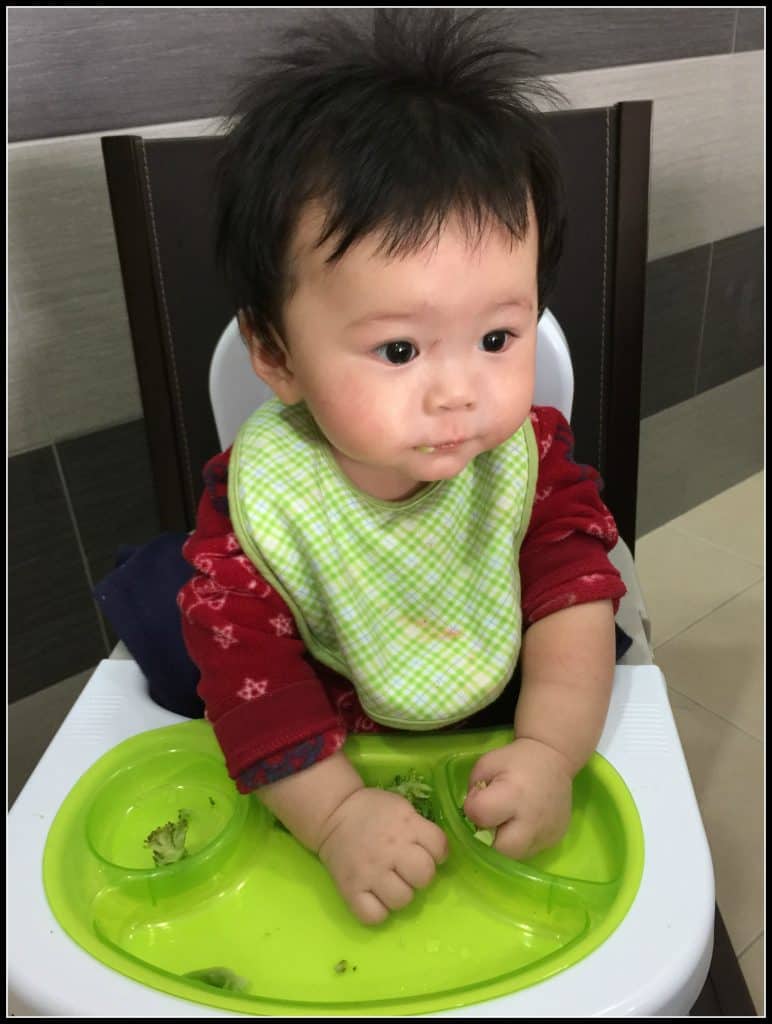
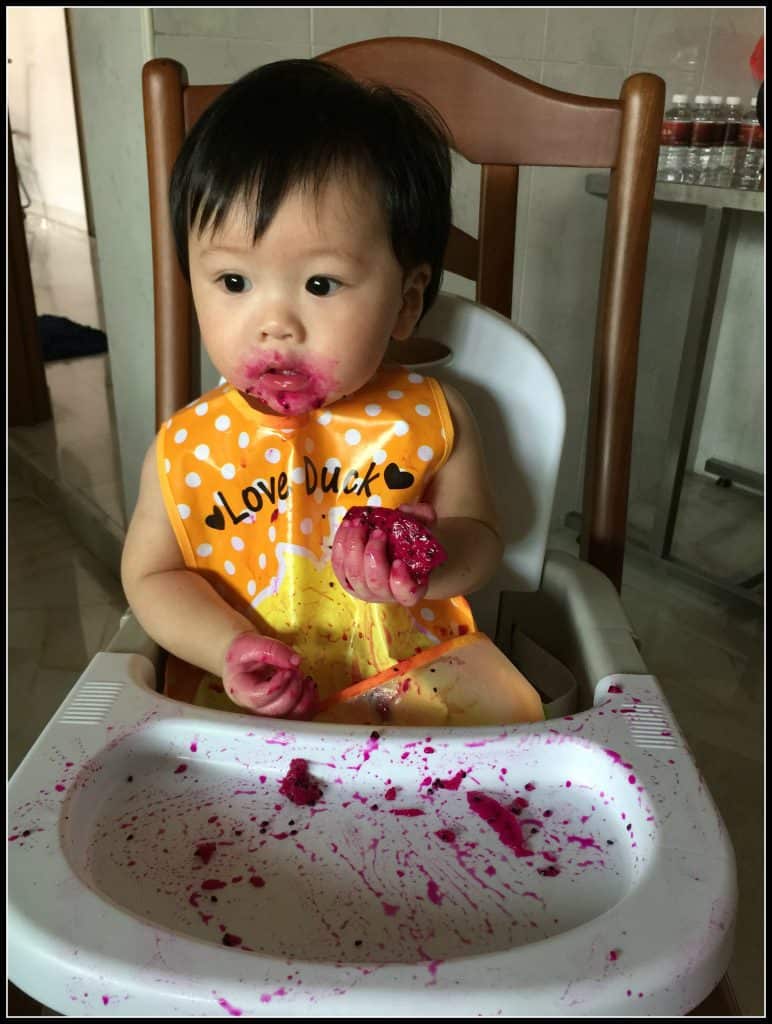
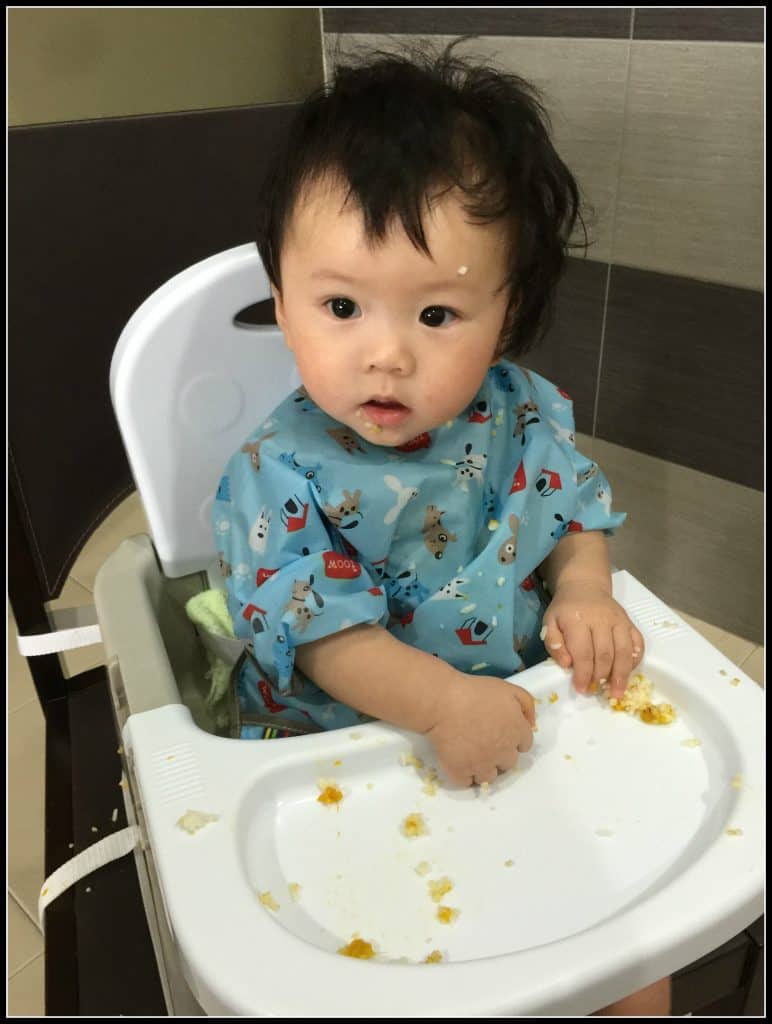
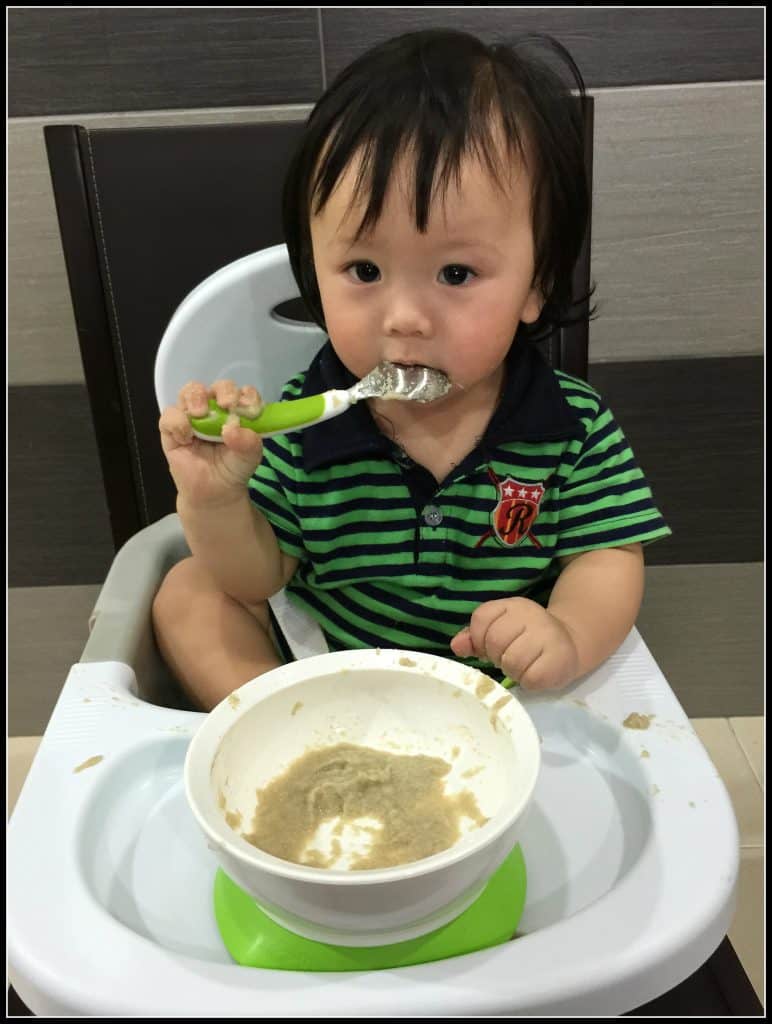
Expect a bit of a mess. Messy hands and faces help babies get used to new foods. So let them have fun with it.

8. Be Aware of Changing Appetite 

Baby’s appetite will vary daily. From 6-12 months, they will gradually drink less breast milk and eat more solids.

Be mindful of your baby’s hunger and fullness cues. Avoid forcing or over-feeding.

HUNGER SIGNS 

  • Smiles, gazes or coos at the parent during mealtimes to show they wants to continue
  • Leans toward the spoon or food and opens their mouth
  • Reaches for or points to food
  • Shows excitement when food is offered
  • Focuses on and follows food with their eyes
  • Sucks or smacks lips
  • Uses words, sounds, or hand signs to indicate hunger or wanting more (older babies)

FULLNESS SIGNS 

  • Slows pace of eating
  • Get distracted easily or shows uninterested in food
  • Moves head away from spoon or closes mouth
  • Bats at spoon or pushes it away
  • Pushes food away or throws it on the floor
  • Plays with food or fidgets
  • Closes or purses lips when offered food
  • Spit food out
  • Tries to leave the highchair
  • Uses words or signs to signal “all done” (older babies)

FEEDING ESSENTIAL TOOLS 

With so many baby-feeding products available, it can feel overwhelming to decide what you truly need to start solids. Here are the TOP 6 essential tools to help you get started:

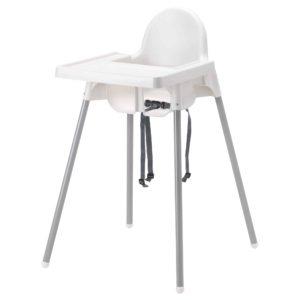
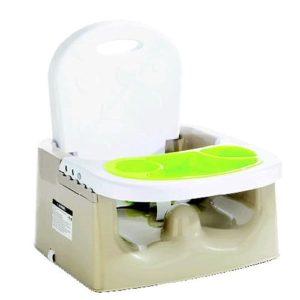
1. High Chair or Booster Seat

  • I believe an actual high chair is a must-have. It’s helpful to have a dedicated seat for your baby, and the large high chair tray makes a great food-catcher. The IKEA Antilop high chair with tray is totally affordable.

0339304_PE527619_S5

  • A booster seat can easily strap onto your own chairs. This seat is foldable for easy storage. I’ve taken it along for visits to the grandparents and to restaurants – it’s super handy.

pTRUCA1-12732984dt

2. Bibs

  • You can certainly use the  drooler/cloth bibs. However keep in mind they’ll need to be washed after each use.

IMG_0216

  • I recommend getting a set of larger, waterproof, easy-to-clean feeding bibs. I prefer ones with big front pocket to catch any dropped food.

IMG_1491

  • If your baby is an active explorer, your may prefer the Kushies Long Sleeved Waterproof Bib. It allows your little one to fully enjoy mealtimes without the worry of ruining their clothes.

IMG_0900

3. Spoons

  • Make sure that any spoons you use are BPA-free. BPA is a harmful chemical found in some plastics that can leach into food when heated.
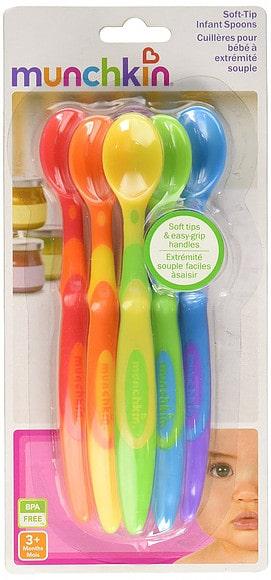
  • Munchkin 6-Pack Soft Tip Infant Spoon: These small, plastic-coated options are much gentle on tender gums. It’s helpful to have several on hand during feedings, one for you and one for baby, to encourage their sense of independence and avoid power struggles.

d31e24_de724fd8d5464c4b8bd0fa0e18cbbfd0

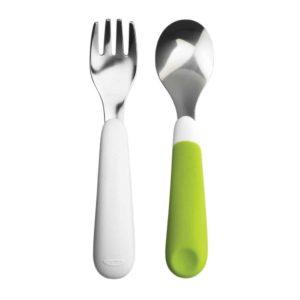
  • Once your baby is ready to try self-feeding, consider getting the OXO tot Fork & Spoon Set. This set makes it easy for young eaters to transition their food from bowl to mouth.

6104300T1

4. Dishes

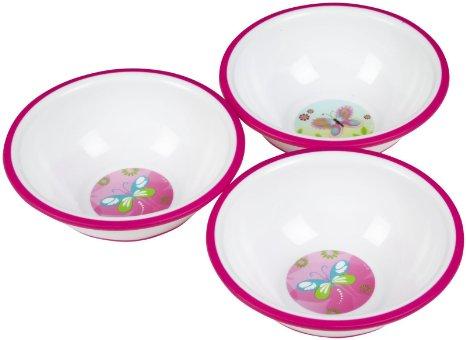
  • When you first introduce solids, you will need a handful of small, BPA-free plastic bowls.

61aH+gliv-L._SX466_

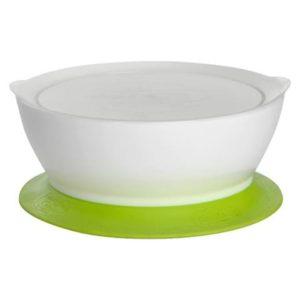
  • Calibowl. This deep bowl makes it easier for your baby to scoop up their food, while the super suction cup on the bottom prevents it from being tossed to the floor. It also includes fitted lids, making food storage a breeze.

15047230IMG_2870

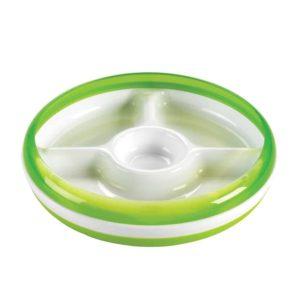
  • Once your baby is ready to try self-feeding, consider picking up a divided plate like the OXO tot Divided Plate. I like the removable, raised outer ring. which helps keep food on the plate and guides it into utensils.

6113700T1

5. Straw Cup or Open Cup with/without handles

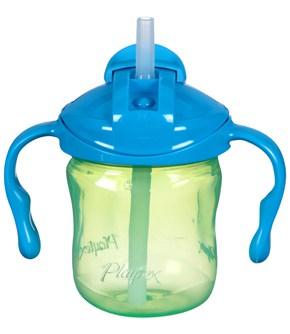
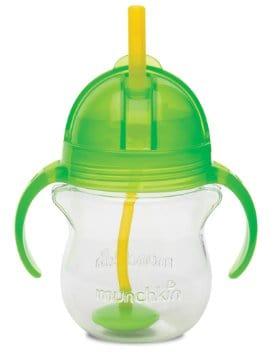
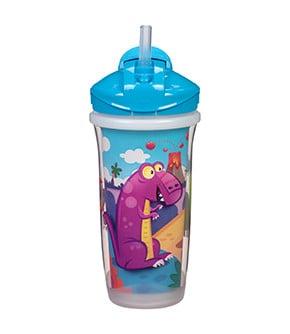
  • My son wasn’t a big fan of bottle, so I was very anxious to introduce a straw cup around 6 months. He would often bite on the straw, but he would sip from it occasionally. Using a straw cup does not present the same concerns as a sippy cup. In fact, It can help with oral motor skills development and reduce the risk of dental caries since the liquid doesn’t bathe the baby’s teeth. Here are three straw cups that I recommend:
    • Playtex Sipsters Stage 1 Straw Cuptrainingtime_out_of_pack_green_blue_straw_290x334
    • Munchkin Click Lock Weighted Flexi Straw Trainer Cup71MMm8ir4EL._SY355_
    • Playtex Sipsters Stage 3 Insulated Spill Proof Straw Cup
      00078300058571_cf_dinosaurs__gs1_jpeg
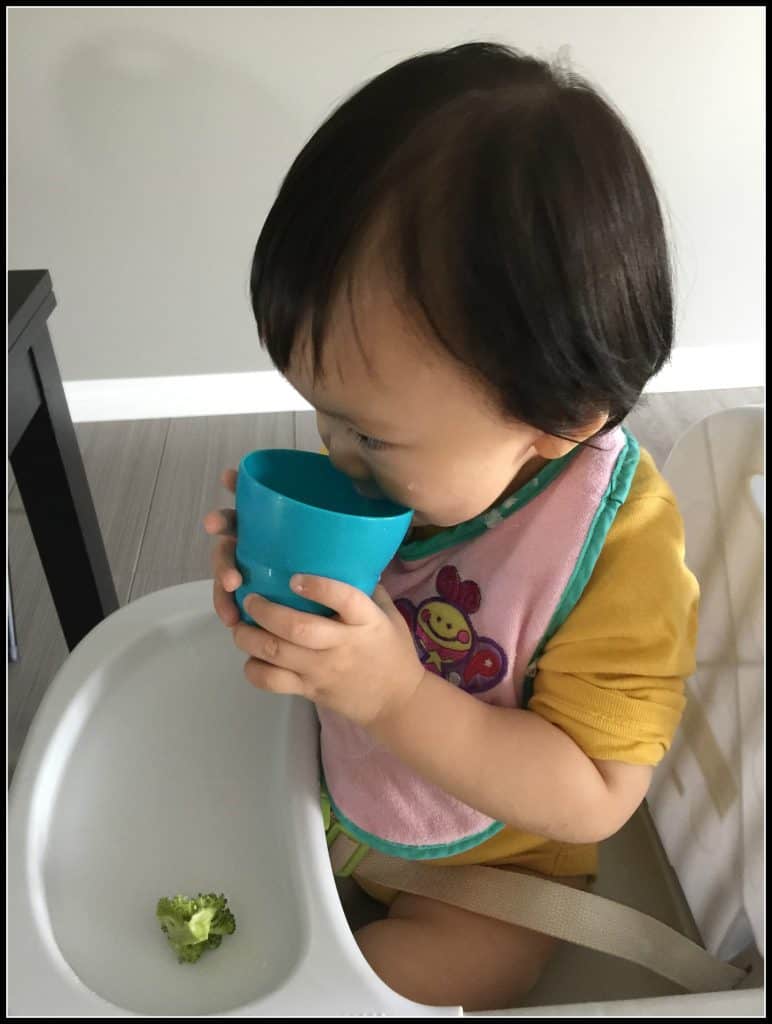
  • Offer water in an OPEN CUP as soon as your baby starts eating solids. Babies learn quickly how to drink from an open cup.

IMG_4928

6. Snack Catcher

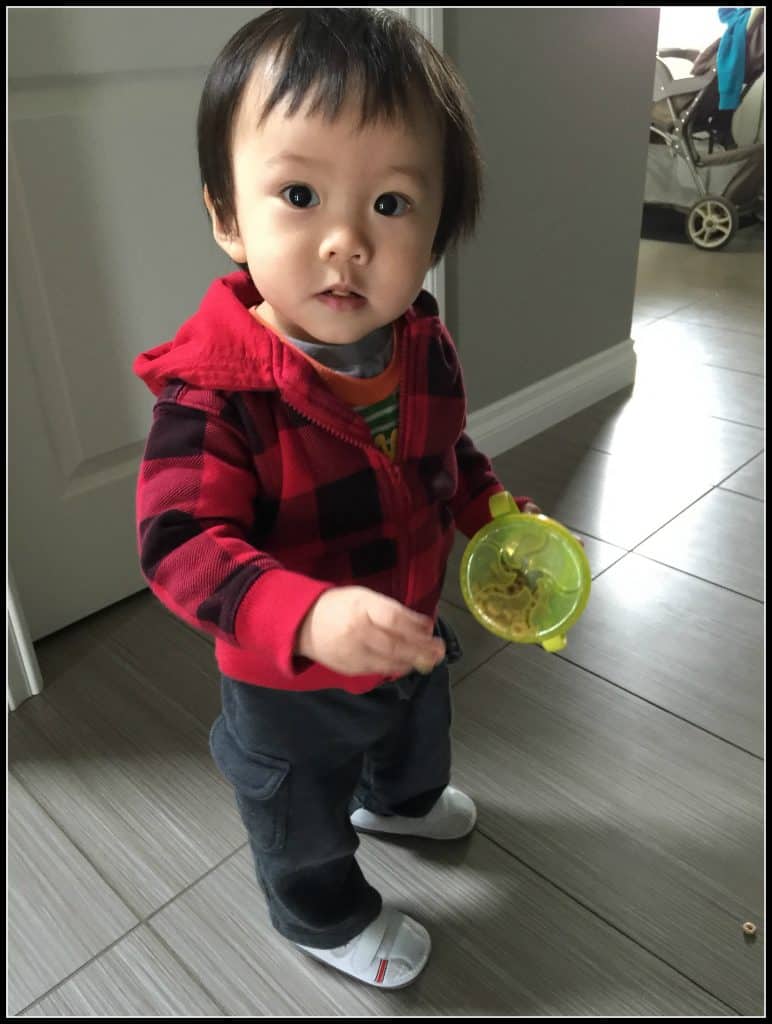
  • No more spilled snacks on the floor. This is the perfect solution for on-the-go situations, whether it’s a doctor’s appointment, shopping trip, grocery run, or evening walk.

IMG_5030

A HEALTHY FEEDING RELATIONSHIP 

Babies learn by observing those around them. When families eat together, it teaches babies that mealtime is a time to connect, share, and enjoy food.

  • As a PARENT;, your role is to choose WHAT foods to offer. As baby start to eat solid foods, your are responsible for WHEN and WHERE baby is fed.
  • It is your BABY’S job to determine HOW MUCH they want to eat.

Trust your baby to recognize their hunger and fullness cues. This fosters mindful eating. 

Introducing solids to your baby can be lot of fun. Be PATIENT and remember that it might take time for your baby to warm up to new foods; this is completely normal. If your baby enjoys every food from the first bite! Congratulations! you have a wonderful little eater.

Bon Appétit babies!

Happy Shopping Mommies!!

When Is The Right Time to Start Solid Foods 1

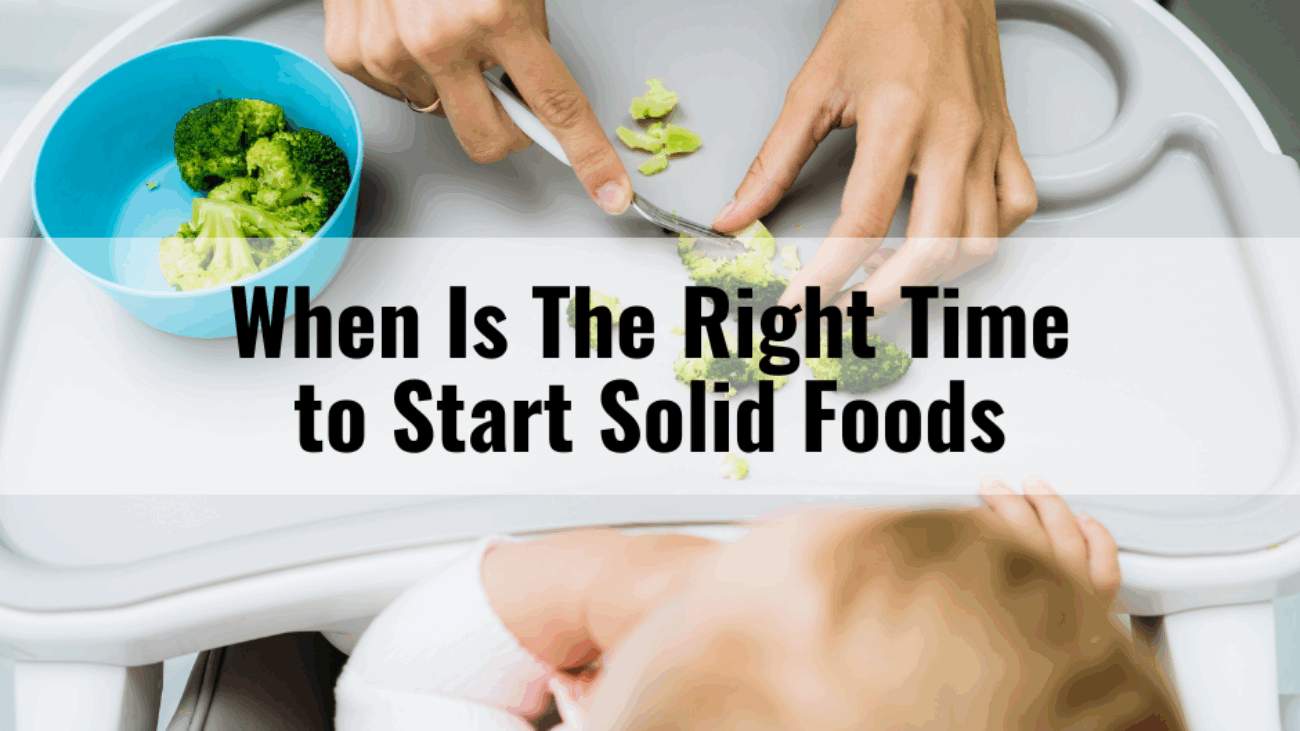
When Is The Right Time to Start Solid Foods

As a dietitian and a mom, one of the most common questions I hear is: “When should I start my baby on solids?”

It’s no wonder parents feel confused. You might hear from friends, family, or even health professionals that you can start at 4 months. Some websites still say “between 4 and 6 months.” And if you were born in the 80s, chances are you were started on solids as early as 2 to 4 months because that’s what the guidelines recommended back then.

So which advice should you follow? Let’s look at what the evidence says today.


WHY DO BABIES NEED SOLIDS?

Introducing solids to babies isn’t just about giving babies “real food”, it’s critical step for both nutrition and developmental reasons. Breast milk or formula will still be a main source of nutrition during the first year, but starting solids around 6 months helps meet growing needs that milk alone can’t fulfill.

1. Nutritional Reasons

  • Iron needs rise: Babies are born with iron stores, but by about 6 months, those stores start to deplete. So they need iron-rich foods to support healthy growth and brain development.
  • Critical nutrients: Protein, zinc, omega-3 fatty acids, and extra energy all become important to fuel your baby’s rapid growth and curiosity.

2. Developmental Reasons

  • Learning to chew and bite: Solids help strengthen jaw muscles and lay the foundation for speech development.
  • Oral and motor skills: Feeding supports hand-eye coordination, fine motor skills, and learning to move food around the mouth safely.


COMMON REASONS PARENTS START EARLY?

I often hear parents say:

  • “My baby is so big, he must need food.” 
  • “My baby too small and tiny.”
  • “My baby seems hungry all the time.” (increased breastfeeding demand)
  • “My baby wakes up multiple times a night, maybe solids will help him sleep.”
  • “My doctor recommended to start at 4 months.”
  • “My baby grabbed food off my plate, he must be hungry.”
  • “I wanted to offer something (iron-rich foods) alongside breast milk or formula.”

It’s completely understandable to think these are signs of readiness. But here’s the truth: breast milk (or infant formula) still provides more calories and nutrients than solids before 6 months. Increased hunger is usually growth spurt, not a sign to start solids early. And waking up at night is normal infant behavior, not a reason to rush into feeding.


THE RISKS OF STARTING SOLIDS TOO EARLY 

Starting solids too early before 4 months (17 weeks) can pose several health risks. Research shows that introducing solids TOO EARLY can increase the chances of:

  • Infections and Digestive Issues: Babies’ digestive systems are still maturing, and introducing solids too soon may cause gastrointestinal discomfort and infections.
  • Food Allergies: Introducing certain foods too early can increase the risk of developing food allergies later on.
  • Obesity: Early solid feeding can influence long-term eating behaviors, potentially contributing to a higher risk of childhood obesity.
  • Kidney Strain: Babies’ kidneys aren’t fully developed in the first few months, and early solids can strain these organs, leading to imbalances in minerals they’re not yet ready to process.
  • Reduced Breast Milk Intake: Solids may replace breast milk in the baby’s diet, potentially reducing milk supply and lowering access to the essential nutrients and antibodies breast milk provides.
  • Choking Risk: Babies’ swallowing and chewing reflexes are not fully developed before 4 to 6 months, increasing the risk of choking on solid foods.

Waiting too long to introduce solids, beyond 7 months can present its own set of challenges. By this age, babies start needing additional nutrients that breast milk or formula alone may not fully supply. Research shows that delaying solids past 7 months can increase the risk of:

  • Iron Deficiency: Babies’ iron stores begin to deplete around this time, and solids provide essential dietary iron that helps prevent deficiency.
  • Food Allergies: Both early and delayed introduction to certain foods are associated with a higher risk of developing allergies.
  • Texture Sensitivity and Food Fussiness: Delayed exposure may make it more challenging for babies to accept new textures and flavors, potentially leading to picky eating.
  • Difficulty with Essential Nutrients: Waiting too long can mean babies miss out on critical nutrients like iron and zinc, which support growth, brain development, and immune function.


WHAT DO THE GUIDELINES SAY 

Today, there is strong consensus among top health organizations, they recommend introducing solids around 6 months when babies show signs of readiness.

These guidelines advocate for exclusive breastfeeding until around 6 months to ensure the digestive system is mature enough to handle solid and to protect against gastrointestinal and respiratory infections (APP 2012, Nylor & Morrow, 2001).

Breast milk or formula should remain the primary nutrition source until 12 months, with solids gradually becoming a bigger part of your baby’s diet.


DEVELOPMENT SIGNS FOR READINESS

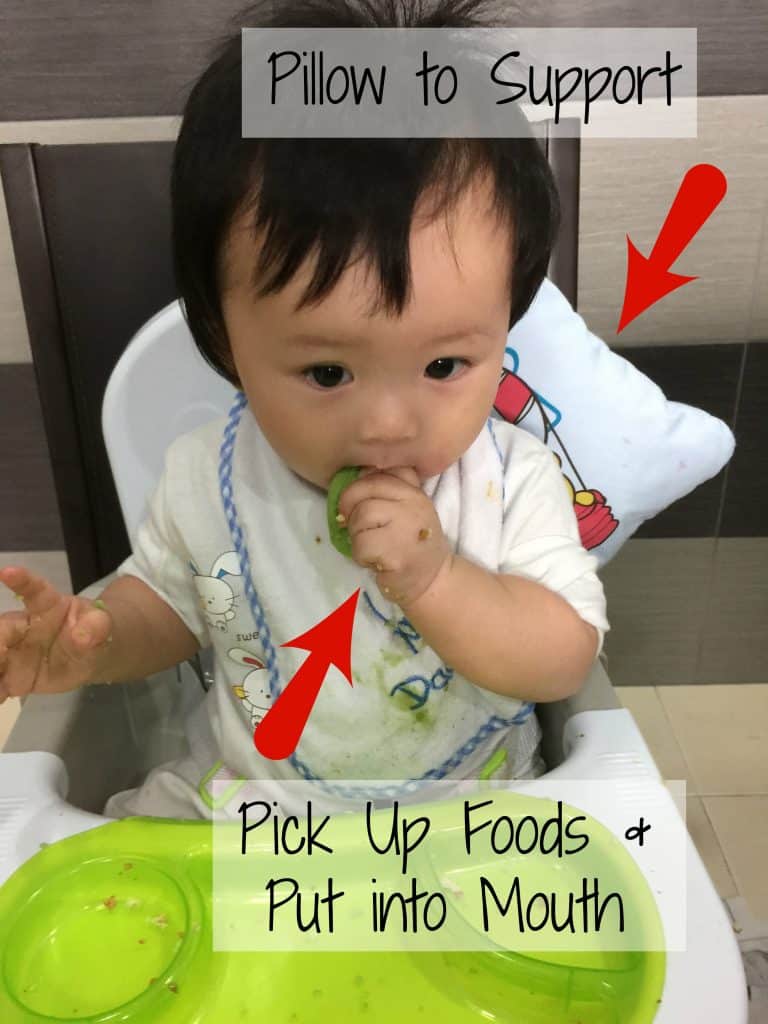
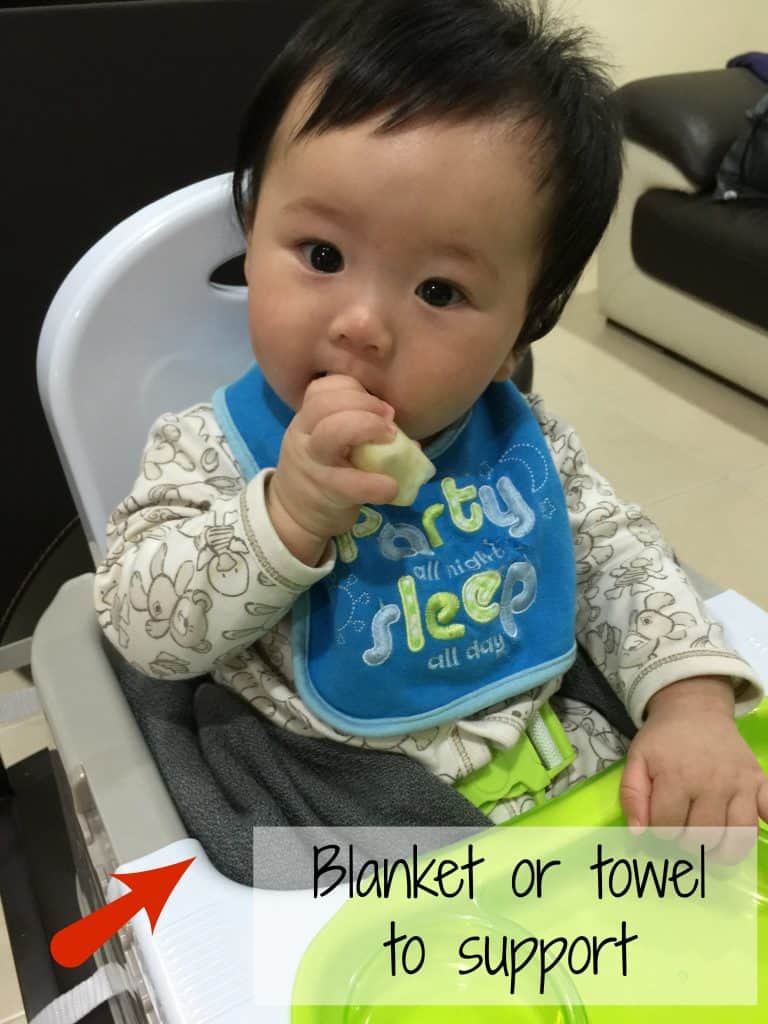
Rather than watching the calendar, look for developmental cues that your baby is ready:

DSC_2602 2

IMG_0707


IMG_0133

  1. Around 6 months of age
  2. Able to sit up with minimal support (with pillow or towel)
  3. Good head and neck control, able to hold head upright and steady
  4. Bringing hands to the mouth
  5. Chewing on non-food items, such as toys or teether
  6. Show interest in food, possibly by reaching for or leaning forward towards food
  7. Diminish tongue thrust reflex

PREMATURE BABIES  

It’s important to consider your baby’s gestational age when deciding when to introduce solids. Premature babies may not be neurologically or physically ready for solids until approximately 6 months after their original due date, rather than their birth date. For instance, my elder son, born 2 weeks early, began solids about two weeks after turning 6 months. Similarly, Audrey and Avery, born 4 weeks early, started solids around 6.5 months. Adjusting based on gestational age allows babies to begin solids when their developmental milestones and readiness are more in line with their age-adjusted peers.

What you can do If your baby is showing obvious signs of being ready for solids before 6 months?

It’s very common for babies around 4 to 5 month to show interest in mealtimes such as reaching for food. However, this curiosity doesn’t necessarily mean they’re ready for solids. In fact, it is part of their normal development to explore by putting objects in their mouths. Here are some ways to involve your baby in mealtimes without introducing solids:

  1. Include Them at the Table: Let your baby join family meals in a booster seat or high chair. This gets them used to mealtime routines and sitting in their designated seat, preparing them for when it’s time to start solids.
  2. Provide Safe Utensils: Give your baby spoons, cups, or bowls to play with during mealtimes. This helps them get familiar with eating utensils in a fun and exploratory way.
  3. Introduce Open Cups: Offering small amounts of water or expressed breast milk (1-3 oz) in an open cup starting at 6 months is considered beneficial. This lets your baby practice drinking skills while engaging at the table without starting on solid foods.

BOTTOM LINE

Most babies are developmentally and physiologically ready to start solids around 6 months (sometimes a littler later, depending on corrected age for preemies). Starting too early can pose risks, while delaying too long can also create challenges.

It’s important to look for signs of readiness rather than strictly following a calendar. Remember, the decision to start solids shouldn’t come from pressure from parents or in-laws but should be based on your baby’s cues.

Baby, Bon Appétit !! 

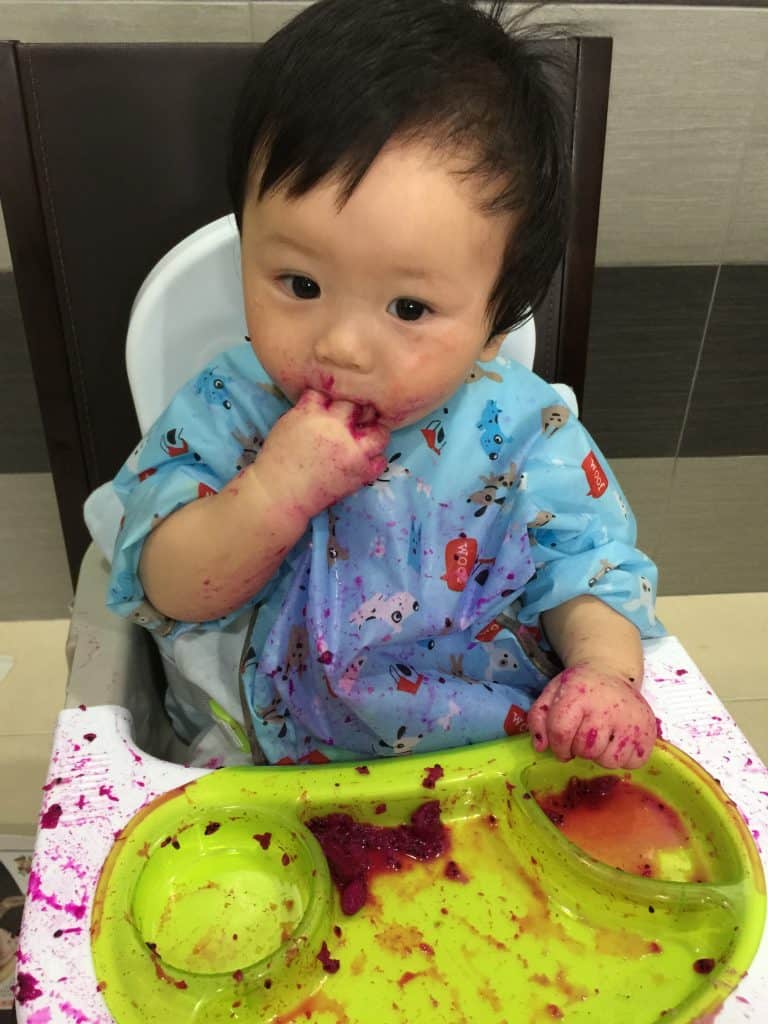
My children love making a mess during mealtime, and that’s perfectly normal! It’s all part of the learning process as they explore new textures and flavors.

IMG_0662
Aiden
Avery and Audrey

As you embark on this exciting journey of introducing solid foods to your little one, remember that patience and observation are key. Every baby is unique, so trust their cues and enjoy the experience of discovering new flavors and textures together.

Struggling with introducing solids or worried about your baby’s nutrition? Baby’s First Bites online course gives you step-by-step support to help your little one explore food safely and confidently.


Update: August 22, 2025
Constipation above 6 months

How to Manage Constipation in Your Child (6 months or above)- Part II

Constipation in children is extremely common. I don’t deal with constipated children a lot in my practice, even my son, he is such a “regular” boy. Most parents are overly concerned about how often their child has bowel movement, because they have been taught that a healthy child should have a bowel movement every day. This is not TRUE.

WHAT IS NORMAL? 

It is very important for parents to recognize there are many “normal” patterns for bowel movements in children.

  • Bowel movements decrease down to about 1 or 2 each day from age 2 months to 3 years.
  • Children 3 years or older have about 1 bowel movement each day (here).
  • Bowel movements change in thickness, number and colour when a change is made to what your child eats (e.g., when babies are starting solid foods or cow’s milk).

Your child is not constipated if his or her stools are soft and pass easily, even if it has even a few days since last bowel movement.

WHEN YOU SHOULD WORRY? 

When the bowel movements are 1) dry and hard 2) difficult or painful to pass.

The frequency of bowel movements is not as important as whether the child can pass stools easily.

CONSTIPATION IN INFANT 6-12 MONTHS

In infants, any changes in diet may result in stool inconsistency and/or change in frequency of bowel movements.

COMMON CAUSES OF CONSTIPATION 

  • Changing from breast milk to formula or cow’s milk.
  • Introducing new formulas. Some formulas may be more constipating than others.
  • Incorrect formula-to-water ratio (preparation method).
  • Introducing solid food(s) – Breastfed babies may be more prone to constipation when solid foods are introduced (at 6 months). This is because their tiny tummies are used to process the easily and highly digestible breast milk.

CONSTIPATION IN CHILDREN AGE 1 YEAR AND OLDER

Constipation can make bowel movement painful, so your child may try to prevent having one. Once a child begins to be afraid of passing bowel movements, the cycle of chronic constipation has begun and bowel movements become more and more abnormal.

COMMON CAUSES OF CONSTIPATION 

  • Toilet training. Refuse going to toilet, due to not wanting to take a break from play or not wanting to use certain facilities such as the school toilets or travelling.
  • Diets low in fibre.
  • Lack of fluid intake. Sometimes the normal amount of fluid a child drinks is not enough, such as when the weather gets hot or the child increases his or her physical activities.
  • Excessive intake of dairy products. Milk does count as part of the fluid but be aware that too much milk can be a contributing factor to constipation as it means that a child will be eating less foods and thereby less fibre.

If high intakes of any foods create a lack of fibre or fluid intake, then constipation may result.

MANAGEMENT OF CONSTIPATION

Bathroom Routine

  • Children who are toilet trained should practice sitting on the toilet for 5-10 minutes every day after each mealtime (same time every day).
  • No distraction. Make sure parents or siblings aren’t coming in and out the bathroom when it is “their toilet time”, so that they can relax and make sure that they sticks to their morning bathroom routine consistently every morning. It usually takes up to weeks or months for them to start going consistently.
  • Do not ignore the “urge” to go to toilet as this can lead to harder, larger and drier stool. Make sure they have enough privacy and time to pass stools comfortably.
  • It is important to teach your toddler to “listen to your body” or “listen to your bottom” and go to toilet when they get the message. Then , you can take them to the bathroom right away. Parents should listen or watch the signs:
    • Suddenly stop whatever activity they are doing
    • Suddenly squat or sit down
    • Leave the room or hide in a corner
    • Stiffen up, extend their bodies upright, stand on their tip toes and tighten the muscles in their bottom
    • Face turns red or change tone of their voice
    • Unable to pay attention to you
  • Make sure your child’s feet are resting on something, such as a foot stool. It helps relax the pelvic floor muscles, which can help move the bowels.
  • Keep some reading or picture books in the bathroom and encouraged your child to look at them and try to relax.

Increase Fibre Intake 

It is important your child eat a healthy and balanced diet. The recommended intake of fibre are 19 g of fibre per day for a 1-3 year old and 25 g per day for a 4-8 year old (here).
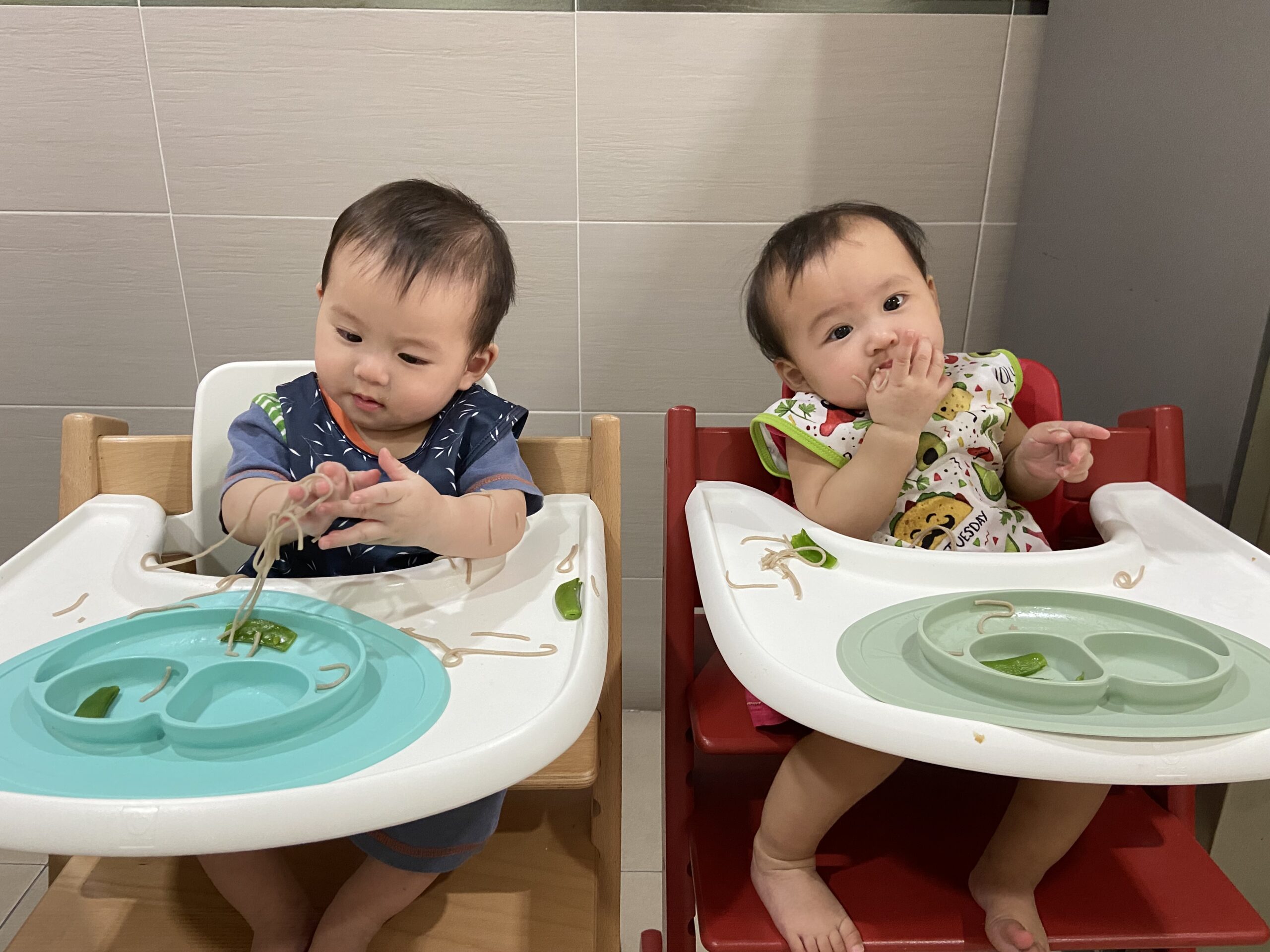
  • Offer at least one serving of vegetables or fruit at each meal or snack.  In this way, your kids should get adequate fibre daily.
  • Gradually increase fibre intake. Going from a low fibre intake to their desired goal too fast can cause symptoms include abdominal pain, bloating, and gassiness.
  • Choose whole grains – e.g. whole grain bread, whole wheat pasta, brown rice, whole grain cereal, oat, quinoa, barley, etc.
  • Choose legumes – e.g. beans and lentils.

The best way to introduce more fibre to your child’s diet is to do so by adding some of those fibre-containing foods slowly. For example, provide a serving of fruit at lunch for a few days, then add a high fibre cereal (at least 3 g of fibre per serving) at breakfast until you reach the goal. Also, If your child is constipated and you are feeding him the rice-based infant cereal, then try bran- or oat-based cereal instead.

Avoid Binding Foods

Avoid white starchy foods, banana and cheese. Most white starchy foods are low in fibre, e.g., white rice, white bread, white pasta and breakfast cereals. These foods will bind the stool so that it is harder to pass and this can also cause pain when passing.

Increase Fluid Intake 

  • Water is the only things that helps your child get over their constipation.
  • Babies 6 – 12 months:
    • Offer up to 1 oz (30 mL) of fruit juice between feedings to a maximum of 4 oz (125 mL) in 24 hours.
    • Sips of water from an open cup (about 2-3 oz or 60 – 90 mL at a time).
    • Note: Juice and water should not replace regular feedings.
  • 1 – 3 years Children:
    • Recommended total fluid intake: 4 cups (900 mL) per day (here).
    • Offer 500 mL (2 cups) of milk per day with meals and snacks.
    • Offer water throughout the day.
    • Limit 100% fruit juice to 1/2 cup (125 mL) per day (OPTIONAL).

Natural Laxatives 

Why juice? Juices containing high amounts of sorbitol can help draw water into the bowels to make stool easier to pass. Prunes, pears and apple juices usually contain higher amounts of sorbitol compared to other juices and therefore can have some benefit in relieving constipation.

  • Offer “juice water” (diluted fruit juice) which mean 95% of water and a tiny splash or real 100% fruit juice. Limit 100% fruit juice intake to no more than 1/2 cup per day.
  • Mix prune puree with a favourite food (cereal or crackers).
  • Ground flax seed. Mix in cereal, soup, smoothie, baked goods, or yogurt. Dosage: 1 tbsp per day (toddler); 2 tbsp per day (older children).

Increase Physical Activity

We all know physical activity is a natural bowel-stimulator. Get your child off the couch, turn off the TV and hide the iPad. Checkout the Physical Activity Guidelines.

Medications & Laxatives & Fibre Supplement 

Talk to your doctor and/or pharmacist before using any of these methods, as doses are weight-dependent. Follow the instructions carefully for the dose and the amount of the time you child should be taking them. As a dietitian, I will focus on “real foods” rather than supplements.

Prebiotic & Probiotics Supplement 

Currently, there is no enough evidence or research to show that pre/probiotics supplement help with constipation. However, foods like cheese, milk and yogurt with probiotics are safe for most people including children.

Do you have a constipated baby at home? If you have any questions please leave me a comment or Contact Me

Constipation under 6 months

How to Manage Constipation in Your Baby (Under 6 months) – Part I

Being a first-time mom, I know it is heartbreaking when your baby is constipated. I remember when Aiden hasn’t had bowel movement for 3 days, I began to worry. Is this normal for a 4 months old exclusively breastfed baby or is he constipated? After talking to my lactation consultant, I know this is normal for EBF baby to have infrequent bowel movement.

Most babies grunt and get red in the face when having a bowel movement. It is completely normal. However, your baby is constipated if his poo is dry and crumbly or like pellets, and it can cause him pain and discomfort.

WHAT IS NORMAL?

  • There is NO necessary to give your baby fluids other than breastmilk or formula before 6 months of age.
  • It is normal for exclusively breastfed infants to have more frequent bowel movement than formula-fed infants in the first 2 to 8 weeks after birth.
  • In some exclusively breastfed babies over six weeks of age with normal growth and development, bowel movements may be infrequent and soft, ranging from one every two days to two weeks (here), or even three or four weeks. These infrequent stools can be normal in infants who are effectively transferring milk (changing from breast milk to formula or cow’s milk) and appropriately gaining weight.

WHEN YOU SHOULD WORRY? 

If your baby is constipated for more than 2 weeks, If he has a fever, start vomiting, decrease appetite, have blood in stool and weight loss, follow up with your baby’s family doctor to make sure there are no other red flags.

TIPS FOR MANAGING YOUR INFANT’S CONSTIPATION AT HOME 

  • Continue breast feeding. Breast milk is easier to digest than infant formula because it is specific to the needs of human infants. It helps promote bowel regularly, mature the digestive tract and protect it from infection. If an exclusively breastfed infant has dry and hard stool, hydration should be assessed and the infant referred to a family physician or lactation consultant (if you have concerns about breastfeeding).
  • Small and frequent feeds. Infants have small stomach. For better digestion, offer smaller feeds, more often throughout the day. For example, if you normally offer 6 ozs every 4 hours, try offering 3 ozs every 2 hours. This method may reduce gas and fussiness as well.
  • Preparation method. If your baby is using formula, ensure that the formula is being properly prepared. Formula that is over concentrated can lead to difficulties with digestion as well as other medical problems. An extra ounces of water can be offered a couple of times a day to ensure adequate hydration.
  • For some formula-fed babies, the answer is switching formulas. The iron in formula is often blamed for constipation, but this is no evidence that there is a link between the two. And babies need the iron to reduce the risk of anemia. Some babies, however, are intolerant of cow’s milk and do better on different iron-fortified formulas. You should switch infant formulas only under your family doctor’s guidance.

Many breastfed babies do have infrequent bowel movements however this does not mean that they are constipated.

OTHER NON-NUTRITIONAL TIPS 

  • Soft tummy massages. Starting in their navel, in a clockwise direction and moving outwards. Do several massages throughout the day, until your baby has a bowel movement.
  • A warm bath (if he enjoys bathing). This will make them feel relaxed and you can continue the massage technique and relieve their discomfort.
  • Cycle baby’s legs. You can try moving your baby’s leg in a cycling motion while they are lying on their backs to help loosen stools.
  • Check with your family doctor to see whether it’s okay or necessary to use an over-the-counter stool softener.

Do you have a constipated child at home? If you have any questions please leave me a comment or Contact Me

Foods to support your child immune system

Foods to Support Your Child’s Immune System

The immune system plays a very important role in protecting both adults and children from infections. It’s made up of a highly interconnected network of white blood cells, antibodies, bone marrow, the spleen, thymus and the lymphatic system. Together, these systems identify and destroy harmful invaders like viruses and bacteria.

With Covid-19 and seasonal illness in the spotlight, many parents have searched for ways to “boost” their child’s immunity. But here’s the truth:

There’s no magic supplement, product, or food that can “boost” the immune system.

In fact, an “overactive” immune system is linked to autoimmune diseases like lupus or multiple sclerosis. The term immune boosting is a marketing phrase, not a medical one. Instead, what matters most is supporting the immune system so it functions normally and effectively.


THERE IS NO SINGLE PRODUCT THAT CAN BOOST IMMUNITY

Scientists are still uncovering how all the pieces of the immune system work together. While we can’t “boost” it, we can provide the right conditions for it to thrive.

There are many things we can do to “support” immunity, such as getting enough sleep, being physically active, minimizing stress and eating nutritious foods. As a busy mom, I love finding foods that are not only nutritious and convenient, but also immune supporting.

The easiest way to get these nutrients is by eating a healthy and balanced diet.

Certain nutrients, such as zinc, selenium, iron, protein, vitamins A, C, D and E are critical for the function of immune cells. However, I can’t promise you that you can totally shield your children from getting sick by eating foods with these nutrients.  In fact, you can build up your children’s immune systems with nutrient-dense foods. Certain foods have the exact nutrients that can help your children’s immune systems be as strong as possible, so when they are exposed to the inevitable germs, they are ready to fight. 


NUTRIENTS & FOODS THAT SUPPORT IMMUNITY 

Let’s dive into some of the foods and nutrients that play an important role in immune health.

Orange Vegetables and Fruits 

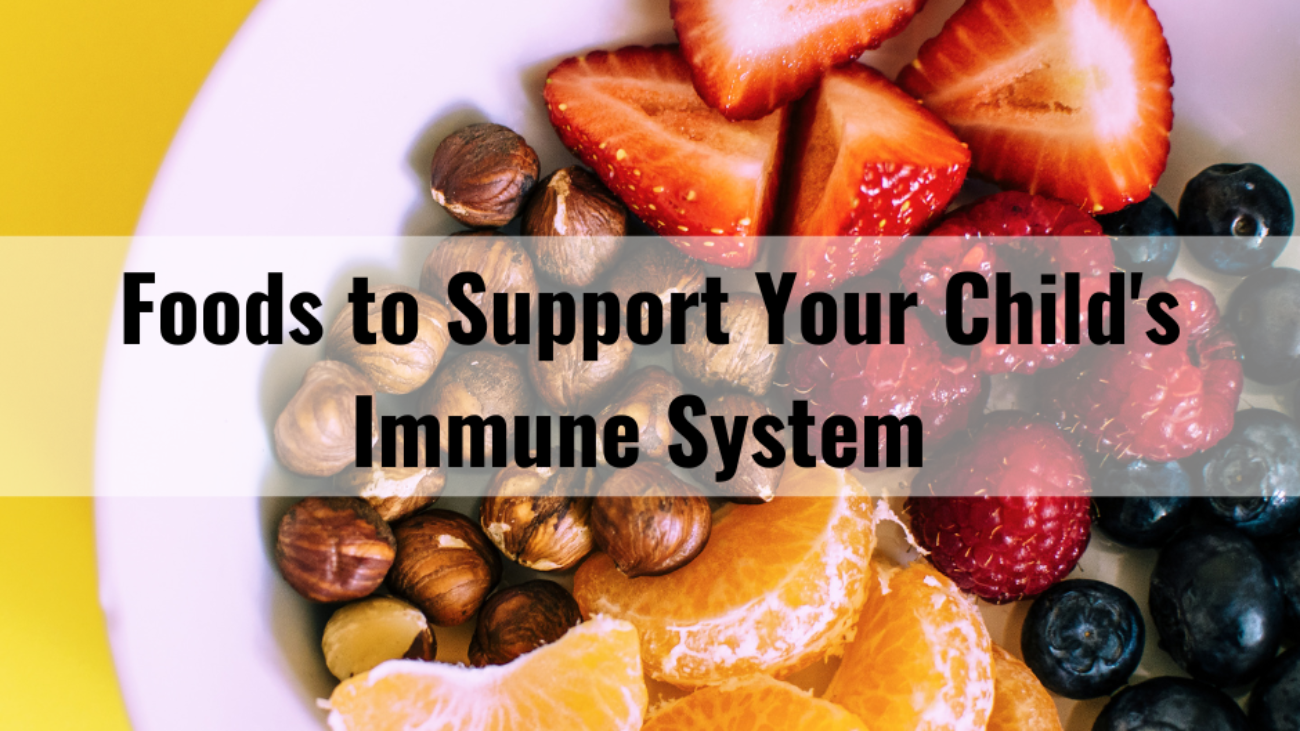
Carrots, sweet potatoes, pumpkin and cantaloupe are rich in beta-carotene, a precursor of vitamin A. Beta-carotene has several health benefits, including the antioxidant activity that protects cells from free radical damage and help enhance immune function (here). In fact, beta-carotene helps form white blood cells, which track down and destroy pathogens.

Pairing these foods with a healthy fat, such as olive oil, avocado, or nuts and seeds, can help your child absorb the nutrients more effectively.

Berries 

Berries are packed with antioxidants that reduce oxidative stress and keep immune cells functioning well. Strawberries, blueberries, raspberries, cranberries, and blackberries – fresh or frozen.  Add them to yogurt, oatmeal, or enjoy as snack.

Dark leafy greens

Kale, spinach, bok choy and gailan contain carotenoids, another antioxidant group linked with immune health. If your children not a fan of salads, just blend them into smoothies, stir into pasta sauces, or add to muffins.

Nuts

Almonds, peanuts and hazelnuts contain vitamin E, which helps increase T-cell count (T-cells directly kill infected host cells and regulate immune responses) (here).

Walnuts also stand out for their omega-3 fats. Offer a mix for variety, but remember: for toddlers, use thin nut butter spreads or finely chopped/slivered nuts to reduce choking risk.

Seeds

Pumpkin, sunflower, sesame, hemp, and flax seeds contain vitamin E, zinc, and omega 3 fatty acids.

Sprinkle on yogurt, blend into smoothies, or spread seed butter thinly on toast.

Oatmeal

Oats contain immune-supporting nutrients like selenium and zinc. But they also contain a special type of fibre called beta-glucan, which increases immune defense by enhancing macrophages (cells that detect and destroy bacteria and viruses) (here). A warm bowl of oats makes an easy immune-supporting breakfast.

Eggs

Eggs are a high-quality protein source, often used as the gold standard for measuring protein quality. Eggs contain selenium and vitamins A, D and E, all important for immune cell development and function.

Fatty Fish

Salmon, tuna, trout or sardines provide vitamin D and omega-3 fats. Vitamin D deficiency is linked to higher infection risk (here), while omega-3 fats are part of the structure of all immune cells (here). Try canned tuna in a sandwich or salmon in sushi rolls.

Fermented Foods 

Kefir, fermented vegetables (sauerkraut or kimchi), kombucha and yogurt contain probiotics that support gut health, which is closely tied to immune function (here). While research continue to identify which probiotic strains are most helpful, including fermented foods is a safe and beneficial choice.

Tumeric 

This golden spice contains curcumin, which has been linked to enhance immune responses. Because curcumin isn’t easily absorbed, pair it with black pepper to increase bioavailability by up to 2000% (here). Use in curries, soups or even a turmeric latte, known as golden milk.

HYDRATION MATTERS TOO

Water helps regulate body temperature, keeps cells functioning properly, and supports the clearance of irritants from the lungs and nasal passages. Especially in hot, humid climates like Malaysia, staying hydrated is essential for immune health.


SEASONAL FLU SHOT 

One important way to help protect children from getting seriously sick is the seasonal flu shot. Because flu viruses change from year to year, the vaccine is updated annually to match the strains most likely to circulate. That’s why experts recommend getting the flu shot once every year, usually before the flu season starts. While it doesn’t “boost” the immune system in the way marketing often suggests, it does train the immune system to recognize and fight the flu more effectively,  reducing the risk of severe illness, complications, and hospitalisation in children.


WHAT ABOUT PROBIOTIC SUPPLEMENTS

Currently, there isn’t enough strong evidence to recommend routine probiotic supplements for children. Not all probiotic strains have the same effects, and in some cases, the wrong strain could suppress immunity instead of supporting it. For most families, probiotics from food sources are the safest and most beneficial option.


BOTTOM LINE

You don’t need a special pill, powder, or “immune-boosting” food to protect your child. Instead, focus on the basics:

  • A balanced, varied diet rich in fruits, vegetables, protein, and healthy fats
  • Enough sleep, physical activity, and hydration
  • Including a mix of the nutrient-dense foods above in daily meals

These habits won’t prevent every cold or flu, exposure to germs is part of childhood. But they will give your child’s immune system the support it needs to respond effectively.

If mealtimes with your little one often feel like a battle, you’re not alone. My online class Peaceful Mealtimes is designed to give you practical tools, proven strategies, and confidence to help your child eat better without the stress and power struggles. Join today and bring calm back to your family table.


Update: August 25, 2025