
Smoothies can be a fun, nutritious, and practical way to offer a variety of nutrients to babies, especially on busy days or when appetite is low. As a dietitian, I appreciate how smoothies can incorporate fruits, vegetables, healthy fats, and protein into one easy-to-consume blend. They’re also a helpful option when introducing new flavors or allergens in a gentle, familiar form. That said, while smoothies have their place, they should complement, not replace whole foods during the complementary feeding stage. Babies need to explore different textures and practice chewing to support oral development and build long-term healthy eating habits. Whole foods remain the foundation, and smoothies are simply one of the many tools we can use to support a positive feeding experience.
Let me address some common myths and questions about smoothies.
1) ARE SMOOTHIES SUITABLE AS A STANDALONE SNACK OR COMPLETE MEAL?
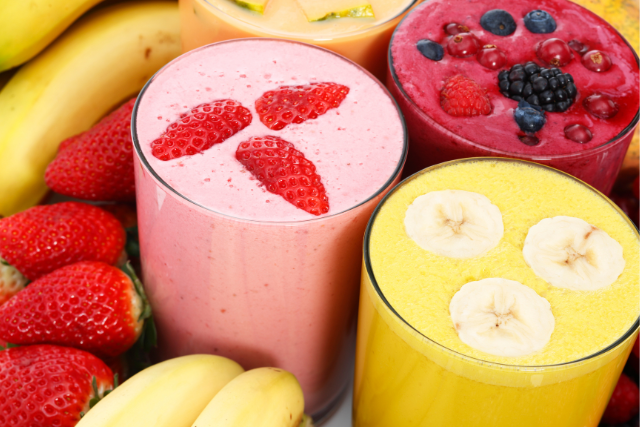
It depends on what you include. A basic fruit and milk blend is more of a snack. For a smoothie to qualify as a meal, it needs a balance: protein (e.g., Greek yogurt, tofu), healthy fats (e.g., avocado, nut butter, ground flax seeds, chia seeds), and an iron rich food (e.g., fortified cereal, spinach). On busy days when convenience is key, such as breakfast on the go, a well-balanced smoothie can serve as a standalone option. On other occasions, it’s best paired with finger foods like toast or cheese cubes to support chewing skills and sensory exploration.
2) WHOLE FRUITS OR SMOOTHIES?
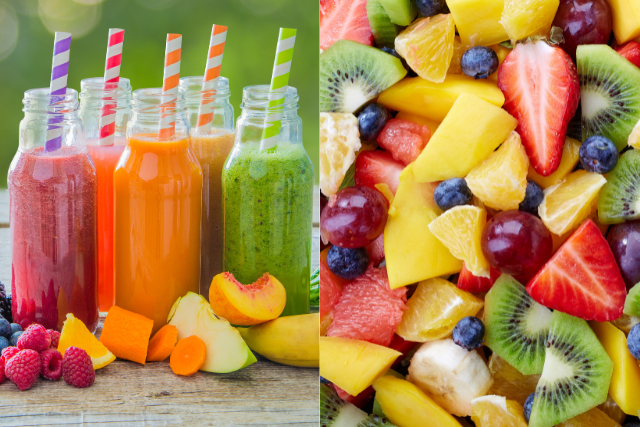
Offering whole fruits is important, especially for supporting oral-motor development, like biting, chewing, and learning to manage different textures. These are key skills that build the foundation for lifelong eating habits. However, smoothies can still play a supportive role, especially in the early months of starting solids. For babies who are just beginning to explore new tastes and textures, a smoothie can feel familiar, similar to purées, and offer a gentle introduction to a wider variety of nutrients. The key is balance: smoothies can complement whole foods, but they shouldn’t replace opportunities for your baby to touch, hold, bite, and chew real foods.
3) WHEN IS THE RIGHT AGE TO INTRODUCE SMOOTHIES?
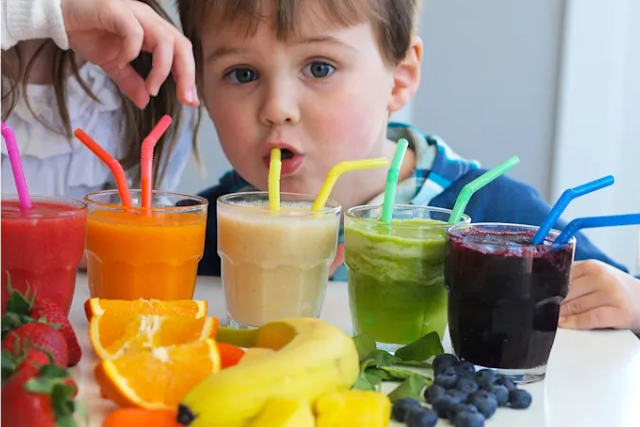
Smoothies with a puréed texture can be introduced from around 6 months of age, once your baby is developmentally ready to start solids. However, it’s important to pay close attention to what goes into the smoothie. Many recipes contain a significant amount of milk or milk alternatives, which can displace iron-rich foods that are critical at this stage. For that reason, I generally recommend waiting until around 9 months before offering smoothies more regularly especially those made with milk as a main ingredient. Early in complementary feeding, our priority is to maximize iron intake and absorption to support your baby’s growth and brain development.
4) WHAT BLENDER WORKS BEST?
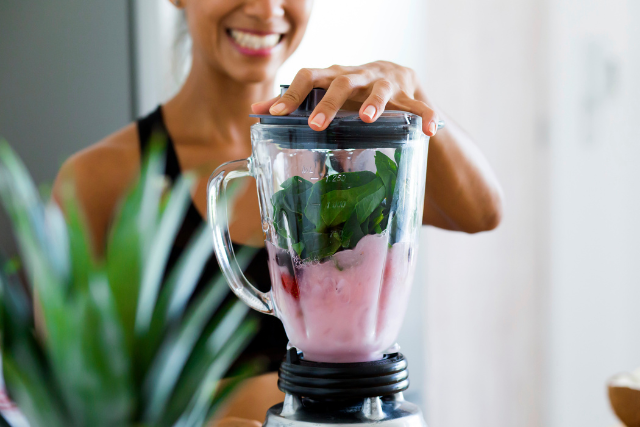
You don’t need an expensive, high-powered blender to make baby-friendly smoothies. Most standard or mid-range blenders can handle soft fruits and liquids well enough to create a smooth consistency that’s safe for babies. That said, if you plan to regularly blend tougher ingredients like frozen fruit, nuts, or leafy greens or make your own baby purées or thinker smoothie, a high-powered blender can be a worthwhile investment for smoother blends and long-term use in the kitchen.
5) SHOULD I ADD PROTEIN OR COLLAGEN POWDER?
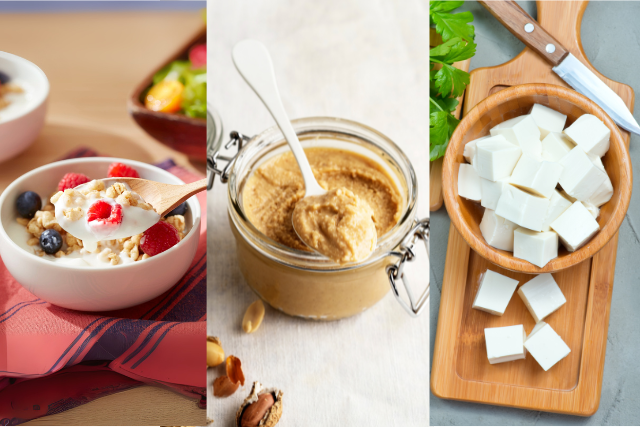
For babies under two, protein needs are typically met through a balanced diet with whole foods. Adding protein or collagen powders is not only unnecessary but may also introduce excess nutrients, added sugars, or unwanted ingredients like fillers and preservatives. Unless specifically recommended by your pediatrician or dietitian, it’s best to offer natural protein sources such as plain yogurt, tofu, nut butters, or cooked legumes. These whole foods provide protein along with other important nutrients without the risks that can come with supplements.
6) WHAT ABOUT SUGAR IN SMOOTHIES?
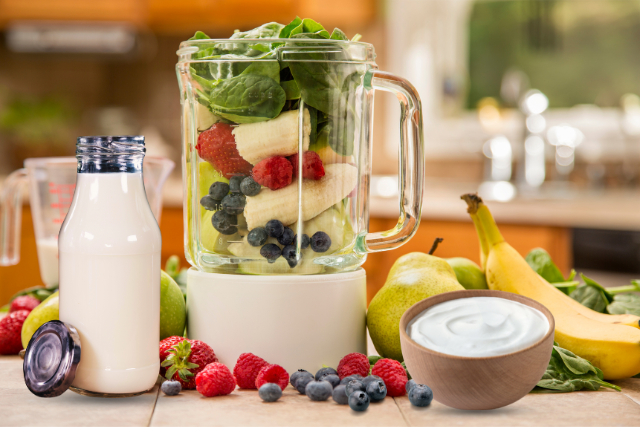
This is a common concern and an important one. While fruits do contain natural sugars, when they’re blended into a smoothie along with ingredients like yogurt, milk, healthy fats, and fiber (vegetables), the overall impact on blood sugar is much more balanced. Unlike fruit juice, which lacks fiber and protein, a well-composed smoothie retains the whole fruit and offers a combination of nutrients that help slow down sugar absorption. Think of it as “pre-chewed” food, nutritionally similar to what your baby would get from eating those ingredients individually. The key is using whole, minimally processed ingredients and avoiding added sugars or sweetened products.
7) WHAT IF MY BABY STARTS PREFERRING SMOOTHIES OVER WATER OR MILK?

This is a valid concern, especially if smoothies become a frequent part of your baby’s diet. To help prevent over-reliance, I recommend using Ellyn Satter’s Division of Responsibility feeding model, a widely respected approach developed by a dietitian and social worker. In this model, caregivers decide what, when, and where food is offered, while the child decides if and how much they eat. This means you’re in control of when smoothies are offered and how often they appear on the menu.
To avoid smoothies becoming a preferred or overly fixated food, keep their presentation neutral. Serve them occasionally as part of a meal or snack, rather than labeling them as a treat or reward. When we overemphasize a particular food, especially in an excited or restrictive way, it can create a “forbidden fruit” effect, making that food more desirable than it needs to be. Keeping smoothies in regular rotation, without the hype, helps your child view them as just another food option among many.
8) WHAT MILK SHOULD I USE IN SMOOTHIES?
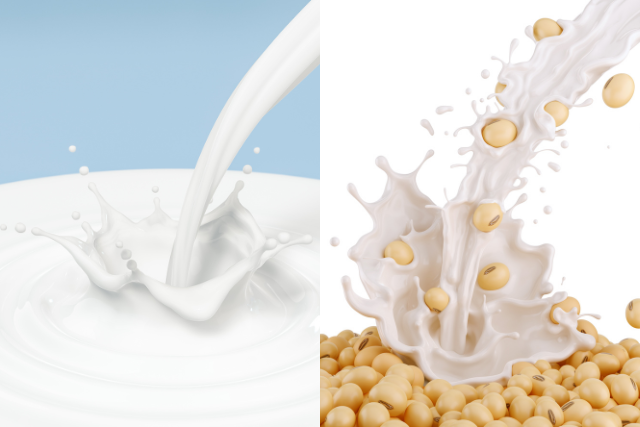
Whole cow’s milk or unsweetened fortified soy milk is ideal, as their nutrient profile closely matches infants’ needs. If allergies are a concern, work with a dietitian to find suitable alternatives.
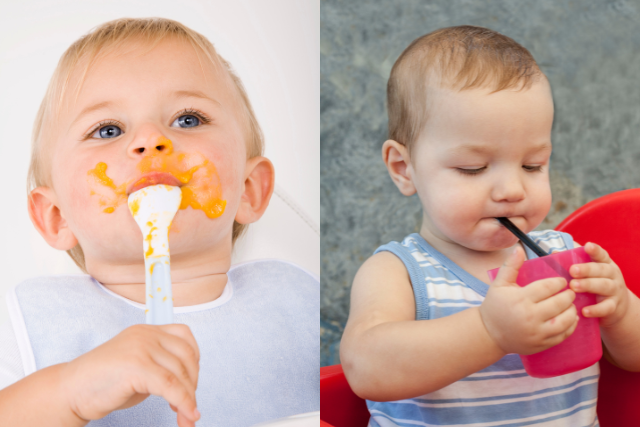
9) HOW TO OFFER SMOOTHIES? SPOON, STRAW, OR CUP, WHAT’S BEST?
-
Spoon: For thicker, smoothie-bowl-style textures, encourage self-feeding by offering baby-friendly spoons. This supports fine motor skills and independence at mealtimes.
-
Straw/cup: For drinkable smoothies, the texture should be smooth enough to sip without much effort. Use a sturdy straw or open training cup to support oral motor development. Avoid thin straws, as they can be difficult for babies to use and are harder to clean properly.
10) WILL SMOOTHIES SUPPRESS APPETITE?
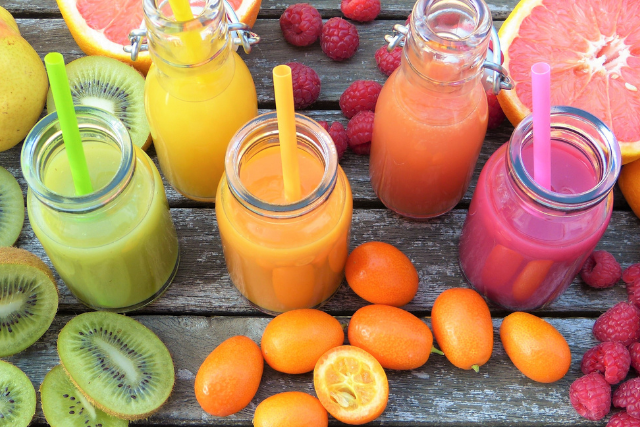
Not necessarily. Portion control matters more. A small smoothie may supplement hunger, while a larger one may serve as a meal replacement. Always leave room for future meals and respect the baby’s internal hunger cues.
11) IS THERE A RISK OF DEVELOPING A “SWEET TOOTH”?
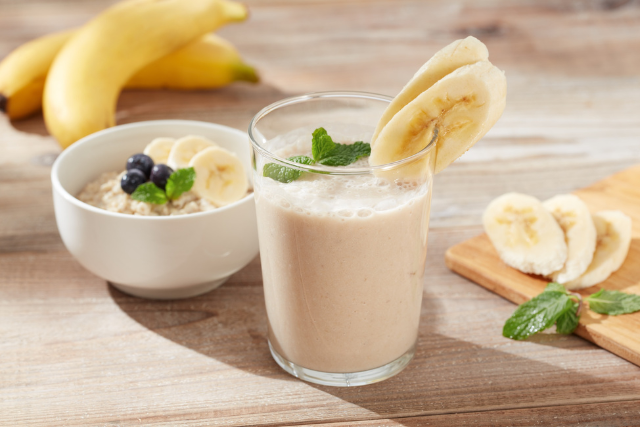
Only if sweet smoothies dominate your baby’s diet. Babies naturally prefer sweet flavors, but that doesn’t mean they’re destined to crave only sweet foods. By regularly offering a variety of tastes including savory, sour, bitter, and umami, you’ll help your baby develop a more balanced palate and reduce the likelihood of strong sweet-food preferences later on. Variety is key when it comes to shaping healthy, adventurous eaters.
12) ARE SMOOTHIES THE SAME AS JUICE?
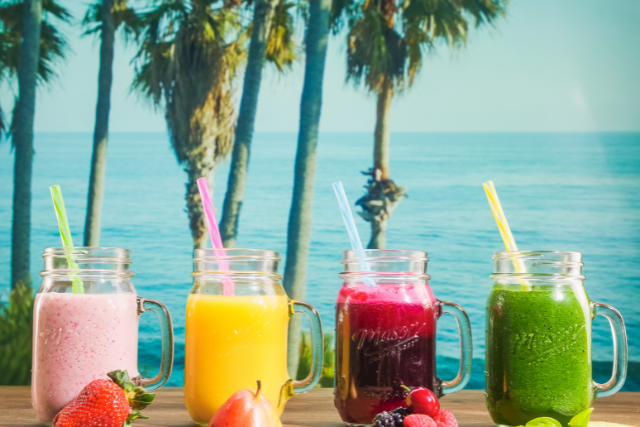
No! they’re quite different. Unlike juice, which often contains only the extracted sugars from fruit and lacks fiber, smoothies are made from whole foods and retain their natural fibers and nutrients. When prepared thoughtfully with a mix of fruits, vegetables, protein, and healthy fats. Smoothies offer a much more balanced and nourishing option. Just be sure to avoid using fruit juice as the main base, as this can increase the sugar content without adding much nutritional value.
PRACTICAL TIPS FOR BUSY FAMILIES
Introducing solids can feel overwhelming, especially for busy parents. Smoothies can offer a flexible, nutritious option when used thoughtfully alongside whole foods. Here are practical, evidence-informed tips to make smoothies work in your baby’s routine without compromising on safety or developmental goals.
1. Batch Smoothie Prep for Convenience
To save time, prepare a large batch of smoothie and portion it into silicone ice cube trays or small freezer-safe containers. Once frozen, transfer the cubes into a labelled zip-top bag for easy access. Defrost small portions overnight in the fridge or gently warm in a water bath (never microwave directly in plastic). This method helps reduce food waste and ensures you always have a nutritious option on hand.
2. Iron Integration is Key
Iron is a critical nutrient during the first year of life especially from 6 months onward. To ensure smoothies support your baby’s iron needs, consider blending in iron-rich additions like:
-
A spoonful of iron-fortified baby cereal
-
A handful of baby spinach (lightly steamed for better digestion)
-
A small amount of cooked red lentils. Pairing these with a vitamin C-rich fruit like mango or strawberry may help enhance iron absorption.
3. Support Allergen Tolerance Through Early Introduction
Smoothies can be a gentle and practical way to introduce common allergens. For example:
-
Add a spoonful of full-fat plain yogurt (dairy)
-
Blend in soft tofu or fortified soy milk (soy)
-
Include smooth peanut butter, almond butter, tahini, or sunflower seed butter. Start with small amounts and offer the same allergen on multiple occasions over time to support tolerance, following your pediatrician’s guidance, especially if there’s a family history of allergies.
4. Encourage a Variety of Flavours and Textures
To help your baby develop a well-rounded palate, rotate smoothie ingredients regularly. Introduce a mix of:
-
Fruits (banana, mango, berries, pear)
-
Vegetables (carrot, beetroot, spinach, zucchini)
-
Whole grains (oats, quinoa flakes)
-
Healthy fats (avocado, chia seeds, ground flaxseed).
Exposing your baby to diverse flavors including slightly bitter or earthy tastes can prevent food neophobia later and make mealtimes more enjoyable.
5. Keep Safety Front and Center
Smoothies should always be offered under supervision, just like any other food. Follow these safety tips:
-
Ensure a drinkable consistency for younger babies to prevent choking
-
Avoid large chunks of hard or frozen foods unless fully blended
-
For BLW-style eating, you can also serve smoothies as a thick dip or smoothie bowl with soft dippers (e.g., steamed veggie sticks or toast fingers)
-
Use open cups or straw cups designed for babies to promote oral motor skills
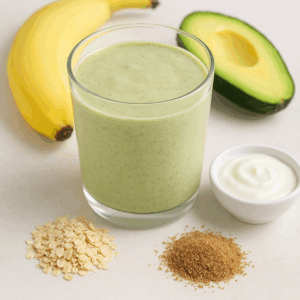
Balanced Smoothie

Equipment
- 1 Blender
Ingredients
- 1/2 ripe banana (frozen)
- 1/4 avocado
- 1/4 cup plain whole-milk yogurt (or fortified soy)
- 1 tbsp iron-fortified oat cereal (or a small handful of spinach)
- 1/4 tsp ground flaxseed
- 1 tsp unsweetened nut/seed butter (optional)
Instructions
- Blend until smooth, adjust consistency with breastmilk, formula, or water. Serve in bowl or cup depending on preference.
Want more tips on how to build a balanced and nourishing smoothie?
Read this post for practical ideas and ingredient combinations that support your family’s health whether you’re starting solids, navigating picky eating, or just looking for easy, nutritious options.
BOTTOM LINE
Smoothies can be a nutritious, flexible addition to a baby’s diet, especially for busy families navigating the early stages of solids. When made with whole food ingredients and offered in age-appropriate ways, they support exposure to a variety of flavors and nutrients. However, they should not replace opportunities for babies to explore textures and develop chewing skills through whole foods. As a dietitian, I encourage caregivers to use smoothies as a complement to balanced meals, introducing them gradually, varying ingredients, and trusting their baby’s ability to self-regulate intake. With the right approach, smoothies can be part of a healthy, positive feeding journey.
If mealtimes with your little one often feel like a battle, you’re not alone. My online class Peaceful Mealtimes is designed to give you practical tools, proven strategies, and confidence to help your child eat better without the stress and power struggles. Join today and bring calm back to your family table.
Update: August 22, 2025